
23.7 C
Kumasi
Monday 08 December, 2025
Odehyieba.com
Home Blog Page 3

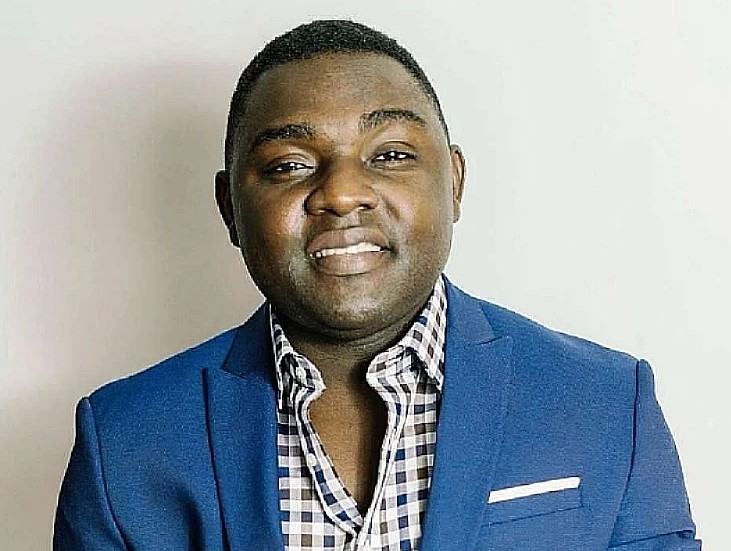
Justice Prevails: Supreme Court Clears Kevin Taylor in 4-1 Decision

Ghana Supreme Court Clears, Political Commentator, Kevin Taylor

After five years in legal limbo, Kevin Taylor can now breathe a sigh of relief. Ghana’s Supreme Court has ruled that the 2020 bench warrant for his arrest violated his right to a fair hearing.

The 4-1 majority decision is being hailed by civil liberties advocates as a victory for judicial accountability and the rule of law.

According to DebrichGroup.com, the controversial warrant, issued in 2020, stemmed from a contempt case filed by lawyer and politician Kennedy Agyapong.

Taylor, who operates from the United States, had been a vocal critic of several Ghanaian public figures through his digital media platform, Loud Silence Media.

In response to his online commentaries, a contempt application was brought before the court, which subsequently issued a bench warrant after Taylor allegedly failed to respond to a court summons.

Supreme Court Cites Procedural Irregularities

The Supreme Court, delivering its judgment on Tuesday, held that the warrant violated Taylor’s constitutional right to a fair hearing. The justices ruled 4-1 in favour of quashing the warrant, asserting that the processes leading up to its issuance were fundamentally flawed and denied the accused an opportunity to be heard.

Justice Gabriel Pwamang, who read the majority decision, emphasized that the court must uphold procedural fairness irrespective of the personality involved. He noted that Taylor was not properly served with the court summons and therefore could not be considered to have deliberately disrespected the court.

“The right to be heard is fundamental and cannot be sacrificed on the altar of public opinion or judicial expediency,” Justice Pwamang stated. “The issuance of the bench warrant in these circumstances was premature and unlawful.”

Taylor’s Legal Team Welcomes Ruling

Kevin Taylor’s legal representatives welcomed the judgment, describing it as a vindication of the rule of law and a rebuke of what they called a politically motivated misuse of judicial power. In a press briefing after the ruling, lead counsel Kofi Bentil said, “Today, the Supreme Court has demonstrated that justice in Ghana is not a respecter of persons or political power. Due process matters, and we are proud to see the highest court in the land uphold that principle.”

Taylor, who appeared at the court after the warrant was overturned, left the premises without making a formal statement. However, on his social media platform later in the day, he posted: “Justice has been served. The truth always wins.”

Minority Opinion Dissents

The lone dissenting opinion was delivered by Justice Henrietta Mensa-Bonsu, who argued that while due process is essential, the conduct of the accused in persistently attacking the judiciary and evading the legal process warranted a firmer response.

“In an era of digital proliferation and cross-border impunity, courts must find a balance between free expression and the sanctity of judicial authority,” she stated. “While procedural lapses occurred, the broader context of willful contempt should not be ignored.”
Broader Implications

Legal analysts say the ruling sets a significant precedent in cases involving contempt of court and due process in Ghana, especially in an age where media figures and political activists operate transnationally. The judgment is expected to influence how courts issue arrest warrants in cases involving defendants residing outside Ghana.

Professor Kwame Asare, a constitutional law expert at the University of Ghana, commented, “This is a landmark decision. It signals that even when emotions are high, and the issues are politically charged, the courts must adhere strictly to constitutional safeguards.”

Background: The 2020 Warrant

The bench warrant was originally issued by a High Court in Accra in October 2020 after Kevin Taylor failed to appear in response to a contempt application filed by Kennedy Agyapong. The basis of the contempt was Taylor’s repeated online accusations and commentary targeting judges, politicians, and other public officials.

Efforts to extradite Taylor from the U.S. never materialized, and the warrant remained dormant until human rights advocates and legal observers raised concerns over its legality. In 2024, a motion was filed at the Supreme Court challenging the constitutionality of the warrant.

Moving Forward

With the warrant now quashed, attention turns to whether any further legal actions will be pursued either by Taylor or by those who originally filed the contempt application. For now, Kevin Taylor remains a free man, and his legal standing in Ghana has been restored.

The Supreme Court’s decision is being hailed by civil society groups as a victory for constitutionalism and a warning against the misuse of judicial processes to suppress dissenting voices — even those as polarizing as Kevin Taylor.


Where is Josephine – GONE? — A Heartfelt Quest Film by Akil Media (Watch Video)

Where is Josephine Gone, starring Heinz Amankwa, Frederick Agyemang, Josephine Manu, Whyte Gold, Elishaba Sam

“Where is Josephine – GONE?” is an emotional rollercoaster that delves deep into the enduring bonds of love, loyalty, betrayal, and redemption.

According to DebrichGroup.com analyst, this is more than just a tale of mystery, it is a deeply human story of loss, memory, and the extraordinary strength of friendship.

Plot Overview

The movie opens with a devastating blow: Josephine, a beloved member of a close-knit film production team, is declared dead after a tragic accident. A solemn memorial service is held, with her friends and colleagues mourning the sudden and heartbreaking loss. The team is shattered, their creative endeavors placed on hold as they grieve not just a collaborator, but a dear friend.

But just when closure seems near, the story takes an unexpected and almost miraculous turn. In a remote, forested region, an herbalist—an old man known for his healing skills—finds a woman barely clinging to life. He takes her in, nurtures her back to health with traditional medicine and care. That woman is Josephine.

A Life Forgotten

Though alive, Josephine is no longer the woman she once was. The accident that nearly claimed her life also robbed her of her memory. She cannot recall her name, her past, or even the friends who so deeply mourn her. Living under the care of the herbalist, she exists in a quiet limbo, haunted by vague dreams and emotions that seem to have no anchor.

As rumors swirl and someone reports seeing a woman resembling Josephine with a mysterious man, her friends’ hope is reignited. They begin to question everything—was her death a misunderstanding, or something more sinister?

The Shocking Truth Unfolds

The story evolves into a suspense-filled investigation. As Josephine’s friends follow leads and piece together the puzzle, they uncover a chilling truth: the accident was no accident at all. It was deliberately orchestrated by one of her own team members—someone within the production crew who saw Josephine not as a friend, but as a threat.

This twist raises the stakes dramatically. Who would want to harm Josephine? And why?

Through flashbacks and emotional revelations, we learn that jealousy and ambition played deadly roles. Josephine, a rising star in the film world, had unknowingly eclipsed the ambitions of a fellow team member. Driven by envy and fear of being overshadowed, that person engineered the accident in a desperate attempt to remove her from the spotlight. But karma has its way.

Themes and Impact

“Where is Josephine – gone?” doesn’t merely entertain—it touches the heart. At its core, the film is a poignant exploration of:

  • Friendship: The unwavering commitment of Josephine’s friends, who never stopped searching even after her ‘death’.
  • Identity and memory: Josephine’s journey of rediscovery, and how memories, even when lost, are never truly gone.
  • Betrayal: How jealousy can corrupt even the closest of circles.
  • Hope and healing: Both physical and emotional, shown through the gentle care of the herbalist and the ultimate reunion.

The film also highlights the intersection of traditional and modern worlds through the character of the herbalist—symbolizing forgotten knowledge, kindness, and the quiet power of nature and patience.

Cinematic Execution

Directed with sensitivity and vision, the movie blends lush cinematography with haunting music and strong performances. Josephine’s portrayal is especially notable—delicate yet resilient, tragic yet inspiring.

Supporting characters, especially the herbalist and Josephine’s closest friends, bring emotional depth and authenticity to the story. The antagonist, once revealed, is portrayed with chilling subtlety, reminding viewers how ambition, when unchecked, can lead to destruction.

Watch Where is Josephine – GONE Movie

Here’s a character profile for each key cast member in Akil Media’s emotional mystery drama: “Where is Josephine (Gone)” — starring Heinz Amankwa, Frederick Agyemang, Josephine Manu, Whyte Gold, and Elishaba Sam.

Where is Josephine – GONE Movie Character Profiles

  • Josephine Manu as Josephine

Role: The Heart of the Story

Josephine is a passionate and gifted actress within the film production team—charismatic, intelligent, and full of life. She is the emotional center of the story. After a tragic “accident,” she is presumed dead, only to be discovered alive but suffering from memory loss. Vulnerable yet resilient, Josephine’s character embarks on a journey of identity, healing, and rediscovery.

Her emotional arc—from a vibrant artist to a lost soul, and ultimately a symbol of strength—anchors the entire narrative.

  • Heinz Amankwa as Kwame: Healer / The Killer

    Role: The Herbalist… and the Man Behind the Accident

At first, Heinz Amankwa’s character Kwame appears as a quiet, reclusive herbalist who finds Josephine after her accident and nurses her back to health. He seems like a guardian angel — gentle, wise, and healing. But as the story unfolds, a dark truth is uncovered:

Kwame is not just the man who saved Josephine. He is also the one who tried to kill her.

This shocking duality is what makes his character so layered and disturbing. Consumed by guilt or fear of exposure — or perhaps still manipulating events — Kwame keeps Josephine hidden in isolation, disguised as care. He tells no one she’s alive. She has amnesia, and he allows her to remain in the dark.

As the investigation intensifies and the friends close in, his motives are finally exposed:

Was he trying to undo what he had done out of remorse?

Or was he still attempting to control the situation, afraid of what Josephine might remember?

This twist transforms Kwame from a savior into one of the most morally complex villains in the story — a man torn between destruction and redemption, deception and healing.

  • Frederick Agyemang as Kobby

Role: The Loyal Friend and Seeker

Kobby is one of Josephine’s closest friends and a key figure in the search for her. Grounded, loyal, and determined, he never believes that Josephine is truly gone. He takes the lead in unraveling the mystery surrounding her disappearance, driven by both affection and a sense of justice.
His investigative instincts uncover the darker truths behind the accident, and his loyalty becomes a vital force in reconnecting Josephine with her past.

  • Whyte Gold as Abena

Role: The Envious Teammate – The Hidden Threat

Abena is a fellow member of the film production crew and the unexpected antagonist of the story. Outwardly friendly, she harbors deep-seated envy toward Josephine’s rising star. Feeling overshadowed, Abena orchestrates the “accident” that nearly ends Josephine’s life.
Her motives are rooted in insecurity and unchecked ambition. As the story unfolds, her façade crumbles, revealing the depth of her betrayal. Whyte Gold delivers a layered performance that captures both vulnerability and menace.

  • Elishaba Sam as Lydia

Role: The Emotional Anchor – The Empathic Best Friend

Lydia is Josephine’s best friend—warm, emotional, and deeply affected by her disappearance. She struggles with grief, guilt, and the haunting question of whether she could have done more. Her scenes are some of the most emotionally charged, particularly during the memorial service and later in the moment she reconnects with Josephine.
Elishaba’s portrayal brings depth, sensitivity, and a powerful human touch to the story.

Solar Eclipse to Bring 6 Minutes of Darkness Over Parts of Earth in August 2027 & Ghana’s Solar Eclipse

Ghana Solar Eclipse, Total Solar Eclipse, August 2027

The total solar eclipse of August 2, 2027, is more than a rare astronomical event. It is a spectacle of science, a moment of celestial awe, and for many, a spiritual touch-point.

Whether you’re a scientist, a spiritual seeker, or simply someone who marvels at the wonders of the universe, this six-minute window of darkness in broad daylight will offer a memory of a lifetime.

Ghana West Africa has been one of the few African countries to witness remarkable solar eclipses that brought daytime darkness and awe to the skies. Here are some notable solar eclipses experienced in Ghana.

  • March 29, 2006 – Perhaps the most famous in Ghana’s recent memory, this total solar eclipse swept across the country, with places like Jirapa, Wa, and Techiman experiencing full darkness for over 2 minutes. Crowds gathered across towns and cities to witness the event, with schools and media offering education on eclipse safety.
  • June 21, 2001 – A partial eclipse was visible over southern Ghana, although the event was short-lived and less dramatic.
  • November 3, 2013 – A hybrid eclipse, starting as an annular and becoming total in parts of Africa. Ghana witnessed a partial eclipse, with up to 80% coverage in some areas.
  • October 14, 2004, and February 26, 1979 – Also marked notable partial eclipses, though not as widely remembered.

These events have always stirred public fascination, scientific engagement, and spiritual reflection across Ghana.

What Causes a Total Solar Eclipse?

A total solar eclipse occurs when the Moon passes directly between the Earth and the Sun, fully covering the Sun’s disk from the perspective of some observers on Earth. This alignment can only happen during a new moon, and due to the elliptical orbits of the Moon and Earth, such precise positioning is rare.

The Moon’s umbra (the darkest part of its shadow) sweeps across Earth, creating a path of totality. Within this path, observers experience total darkness in the daytime, as the Moon blocks sunlight completely for several minutes.

A New Chapter Awaits: The Total Solar Eclipse of August 2, 2027

While Ghana will not be in the direct path of totality for the 2027 eclipse, the magnitude of the event will resonate globally. For those willing to travel, this will be an unmissable opportunity to witness over 6 minutes of total darkness, the longest since 2009—and the longest until 2114.

When and Where: Exact Date and Timing

  • Date of Eclipse: Saturday, August 2, 2027
  • Start of total eclipse: Around 10:00 UTC
  • Maximum eclipse: 10:07 UTC (peak darkness)
  • End of eclipse path: Around 12:00 UTC

At its peak, the eclipse will last an extraordinary 6 minutes and 23 seconds—a rarity, as most total solar eclipses only last 2 to 4 minutes.

Countries in the Path of Totality (Full Darkness)

While the eclipse will be partially visible in much of Africa—including Ghana, which will experience a partial eclipse of 40–60%—the following countries will witness totality, with some enjoying 6+ minutes of darkness:

🌒 Total Eclipse With 6+ Minutes:

Egypt (especially Luxor, Aswan, Hurghada)

Sudan, Saudi Arabia, Yemen, Eritrea, Somalia.

🌘 Total Eclipse (Shorter Duration):

Tunisia, Libya, Oman

United Arab Emirates (UAE) – limited areas

Pakistan – western regions

India – Gujarat and parts of Rajasthan

Morocco – coastal visibility

🌗 Partial Eclipse Observers:

Ghana, Nigeria, Ivory Coast, South Africa

Europe (Southern Spain, Italy, Greece)

Other parts of West Africa

Scientific Importance of the 2027 Solar Eclipse

This eclipse presents a rare chance for scientists, educators, and the public to study and marvel at the natural dynamics between the Earth, Moon, and Sun.

Key Scientific Opportunities:

Solar Corona Observation: The eclipse exposes the Sun’s outer atmosphere, enabling research into solar wind and space weather.

Testing General Relativity: Astronomers can observe how light from distant stars bends around the Sun’s gravitational field.

Atmospheric Changes: Local drops in temperature and changes in animal behavior during eclipses provide insights into Earth’s environmental responsiveness.

Spiritual and Cultural Significance

Throughout history, solar eclipses have been seen as profound events symbolizing change, renewal, and cosmic messages.

Across Cultures:

In many African traditions, eclipses have been seen as omens or times of spiritual alertness.

Hindu customs encourage fasting and purification during eclipses.

Some Native American and Asian cultures saw eclipses as celestial battles or a swallowing of the Sun by mythological creatures.

In modern spiritual thought, eclipses are often linked to:

Emotional transformation

New beginnings or endings

Shifts in collective consciousness

Astrologers note that the 2027 eclipse occurs in the sign of Leo, which represents leadership, self-expression, and courage—indicating powerful shifts both individually and globally.

Viewing Tips and Travel Advice

If you plan to witness the full event:

Travel to cities like Luxor, Egypt, or Medina, Saudi Arabia, for the longest view.

Use certified solar eclipse glasses at all times outside of totality.

Start planning early—these cities will likely attract international tourists, scientists, and media.

Why This Eclipse Is So Special

One of the longest total eclipses of the 21st century

Lasts more than 6 minutes in some areas

Next total eclipse of similar length won’t occur until 2132

Global visibility makes it one of the most accessible major eclipses in recent history.

According to DebrichGroup.com editor, Ghana will not be under the path of totality in 2027, the nation has experienced the majesty of eclipses before and can still take part in the partial version of this cosmic show.

For those willing to travel, the 2027 total solar eclipse offers a once-in-a-lifetime chance to step into the shadow of the Moon and witness the universe’s grandeur in motion.

Mark your calendars: August 2, 2027. The skies will go dark—and the stars will come out in the daytime.

🔥 AZUSA 23 LAGOS – THE REVELATION OF JESUS: Apostle Madubuko, Emmy Kosgei, Yadah, Ighosa, Apostle Flourish Peters, Bishop Wale Ajayi, Bishop Fred Addo

AZUSA 23 LAGOS: Minister Yadah, Bishop Fred Addo, Pastor Emmy Madubuko, Apostle Anselm Madubuko, Bishop Wale Ajayi, Apostle Flourish Peters, Minister Ighosa Obaroh
AZUSA 23 LAGOS: Minister Yadah, Bishop Fred Addo, Pastor Emmy Kosgei Madubuko, Apostle Anselm Madubuko, Bishop Wale Ajayi, Apostle Flourish Peters, Minister Ighosa Obaroh

As the sun rises over the city of Lagos this July 2025, a sound will pierce the atmosphere, a sound of revival, of consecration, of divine visitation. AZUSA 23 Lagos is not just another gathering.

According to DebrichGroup.com analyst, this is a prophetic convocation, a reawakening, a call to ascend into realms of glory, and to behold THE REVELATION OF JESUS in a generation hungry for more.

🔔 THE CALL TO ASCEND

For seven days—July 21st to 27th, 2025—the heavens will kiss the earth at Revival Assembly Church, as AZUSA 23 Lagos Camp Meeting gathers saints, seekers, and kingdom warriors under one mandate: to encounter the Person, Power, and Presence of Jesus Christ.

This is more than a conference—it is a divine appointment. A clarion call to prophets, pastors, leaders, worshipers, and everyday believers who sense that God is doing something NEW in Nigeria and across the earth. The fire of Azusa is here again, and Lagos is the altar.

🕊️ MEET THE HOSTS

🔹 Apostle General Anselm Madubuko
Apostolic voice. Revivalist. Father to nations.

Apostle Anselm Madubuko is the founder and General Overseer of Revival Assembly—an apostolic center that has birthed movements and raised firebrands across continents. With over three decades of ministry, he is renowned for hosting revival crusades, conferences, and prophetic outpourings that have left cities transformed and nations awakened. His mantle is fire; his message, Christ crucified and risen.

Apostle Anselm carries a burden for national transformation through spiritual revival, and AZUSA 23 is yet another expression of this calling. Known for his boldness, prophetic authority, and fatherly heart, he stands as a watchman over the spiritual climate of Africa.

🔹 Pastor Mrs. Emmy Madubuko
Intercessor. Builder. Mother of Zion.

Pastor Emmy Madubuko, co-pastor and dynamic woman of God, is a seasoned teacher and prayer warrior whose ministry touches women, youth, and leaders globally. She is a prophetic voice of strength and grace, known for her wisdom, warmth, and passionate pursuit of the Holy Spirit.

Together, she and Apostle Anselm are leading voices in the revival wave sweeping the globe. She is also known as Emmy Kosgei, is a Kenyan Multiple award Winner, Recording & Performing Gospel Artiste and songwriter married to Apostle Anselm Madubuko.

Emmy was raised in the Rift Valley Province by her religious parents who served in the Church in different capacities with the mother being a reverend and the father a bishop. Emmy’s upbringing in a religious household and her community dialect influenced her choice in singing gospel music in Kalenjin.

Emmy Kosgei bursted into the limelight in 2009 after releasing her single titled “Taunet Nelel” which was massively successful across East Africa. She released her debut album titled Taunet Nelel back in October 2009 which was well received gaining her more popularity in the gospel music industry and making her a household name.

🔥 GUEST MINISTERS

🔸 Apostle Flourish Peters
Founder, The Logic Church

Apostle Flourish Peters is a radical reformer and a grace apostle shaking traditional religious systems with the message of the finished work of Christ. As founder of The Logic Church, he’s raising a new generation grounded in identity, power, and purpose. His meetings are marked by deep revelation, joy in the Holy Spirit, and supernatural encounters.

Apostle Flourish carries a Davidic anointing—merging teaching and worship, faith and fire. He’s a prophetic voice to this generation and a vessel of reformation to the church at large.

🔸 Bishop Wale Ajayi
Lead Pastor, Church of God Mission Int’l, The StandPoint

Bishop Wale Ajayi is one of Nigeria’s leading voices in doctrinal clarity, Kingdom reformation, and apostolic structure. A theologian with fire, Bishop Wale blends scriptural depth with apostolic authority, equipping believers to grow into maturity and purpose.

His ministry is known for birthing strong leadership, activating spiritual gifts, and establishing believers in the Gospel of Grace and Dominion. He is also deeply passionate about the end-time move of God and the strategic advancement of the church in nations.

🔸 Bishop Fred Addo
Senior Pastor, Faithlife Assembly International

With decades of experience in full-time ministry, Bishop Fred Addo is a respected voice in revival teaching, healing ministry, and kingdom empowerment. His sessions are marked by prophetic impartation, healing, and strong apostolic government.

Bishop Fred is a shepherd to leaders and a father in the faith to many. His role in AZUSA 23 signals a deepening of apostolic grace and generational transfer.

🎶 GUEST MINSTRELS

🎤 Minister Yadah
Known for her powerful worship anthem “Beyond Me,” Yadah is a psalmist to the nations. Her songs carry the fragrance of heaven, releasing deep hunger and intimacy with the Father. She ministers with authenticity and fire, drawing the hearts of men into the Holy of Holies.

🎤 Minister Ighosa Obaroh
A sound in the spirit, Minister Ighosa Obaroh is known for spontaneous worship, deep prophetic utterances, and creating atmospheres where the presence of God is tangible. She’s a spiritual minstrel carrying oil for revival.

📌 EVENT DETAILS

📍 Venue: Revival Ascension Church, 1-7 Revival close,
off akilo road, Ogba, ikeja, Lagos – Nigeria.
📅 Date: July 21st – 27th, 2025.
🕊️ Theme: The Revelation of Jesus
🎟️ Attendance: Free (Registration required)
📲 Scan the QR code on flyer to register now!

📞 CONTACT FOR INQUIRIES

📱 +234 902 300 9480
📱 +234 811 142 1731
📧 Email: conferenceazuss@gmail.com

🔥 FINAL PROPHETIC CHARGE

Azusa is not an event—it is an altar.
It is time to PRAY.
It is time to PLAN.
It is time to ASCEND.

This is the hour of divine encounter. Lagos is ready. The heavens are open.
AZUSA 23 LAGOS is your prophetic appointment. Don’t miss it!

USA Inserts Itself into Israel’s War with Iran, Striking Three Iranian Nuclear Sites (Audio)

USA President Donald Trump, Israel and Iran war, Middle East

Report reaching DebrichGroup.com indicates that, in a dramatic escalation of Middle East tensions, the United States has directly intervened in the ongoing war between Israel and Iran, launching coordinated airstrikes on three Iranian nuclear facilities.

This marks the first confirmed U.S. military action targeting Iranian nuclear infrastructure and significantly raises the risk of a broader regional conflict.

Background: Israel-Iran Conflict Intensifies

According to DebrichGroup.com analyst, the roots of the conflict trace back decades, with Israel and Iran maintaining hostile relations since the 1979 Iranian Revolution. Over the years, Israel has accused Iran of developing nuclear weapons under the guise of a civilian program, a claim Tehran vehemently denies. Despite numerous covert operations, cyberattacks, and targeted assassinations — many attributed to Israel — open warfare was largely avoided until early 2025, when a missile exchange triggered by border clashes with Hezbollah spiraled into a full-scale confrontation.

Israel launched a series of preemptive strikes deep into Iranian territory in March 2025, targeting Revolutionary Guard bases and suspected nuclear facilities. Iran responded with ballistic missile attacks on Israeli military and civilian targets, drawing condemnation and concern from around the world.

The U.S. Enters the Conflict

In the early hours of June 21, 2025, American B-2 Spirit stealth bombers and F-35 strike aircraft, reportedly operating from bases in the Gulf and Diego Garcia, carried out precision strikes on three key Iranian nuclear sites: the Natanz enrichment complex, the Fordow underground facility, and a suspected centrifuge assembly plant near Isfahan.

Pentagon officials confirmed the operation, citing intelligence that Iran was accelerating efforts to weaponize enriched uranium amid the chaos of war. A senior U.S. defense official stated:

“We acted to eliminate an imminent threat. Iran was moving beyond red lines, and inaction would have allowed irreversible nuclear escalation.”

The Biden administration (which has faced domestic and international pressure over its handling of the Iran-Israel conflict) argued the intervention was both defensive and preemptive. In a televised address, President Joe Biden emphasized that the United States does not seek war with Iran but will not allow nuclear weapons to proliferate in the region.

Details of the Strikes

According to satellite imagery and Iranian state media, the strikes caused significant damage:

Natanz – Iran’s primary uranium enrichment facility, was hit with deep-penetrating munitions. Iranian sources claim several centrifuge halls were destroyed, though the full extent is still being assessed.

Fordow – A heavily fortified underground site built into a mountain, was targeted with specialized bunker-buster bombs. Preliminary reports suggest the facility may have been disabled.

Isfahan Centrifuge Plant – Believed to be a key node in Iran’s enrichment infrastructure, was engulfed in flames, with secondary explosions suggesting a hit on stored nuclear components or fuel.

Iran has yet to release full casualty numbers, but early estimates suggest dozens of personnel may have been killed or injured.

Iran’s Response and Global Fallout

DebrichGroup.com can confirm that, Iran’s Supreme Leader Ayatollah Ali Khamenei issued a fiery response, vowing “severe and comprehensive retaliation.” The Islamic Revolutionary Guard Corps (IRGC) announced it had placed all forces on high alert and threatened to target U.S. assets in Iraq, the Gulf, and the eastern Mediterranean.

Iranian state TV declared the U.S. “an active combatant in a war against the Islamic Republic,” warning regional allies of America — including Saudi Arabia and the UAE — that they would also be considered hostile parties if they provide bases for further U.S. operations.

Global reactions have been swift and divided:

Russia and China condemned the U.S. strikes, calling them a violation of international law and sovereignty.

The EU urged all parties to de-escalate and called for an emergency UN Security Council meeting.

Gulf States issued guarded statements, calling for calm but privately bracing for regional retaliation.

Israel welcomed the strikes, with Prime Minister Benny Gantz thanking the U.S. for its “principled and necessary action.”

Implications and Risks Ahead

This U.S. intervention marks a turning point. What began as a bilateral war between Israel and Iran is now evolving into a multi-nation conflict with unpredictable consequences. Key risks include:

Direct Iran-U.S. Confrontation: Iranian retaliation against American forces in Iraq, Syria, or the Gulf could trigger a full-blown war.

Regional Destabilization: Hezbollah and Shiite militias may open new fronts in Lebanon, Iraq, or Yemen, dragging in Israel and the U.S. further.

Nuclear Proliferation Crisis: If Iran’s nuclear capabilities are indeed crippled, it may abandon any remaining NPT obligations, prompting other regional powers to reconsider their own nuclear policies.

Diplomatic channels are being urgently reactivated. Reports suggest that Swiss and Qatari intermediaries are attempting to broker a ceasefire or at least a cooling-off period. However, with tensions running high and trust at a historic low, the road to de-escalation appears steep.

The United States’ decision to strike Iranian nuclear sites represents one of the most consequential foreign policy moves in decades. While Washington argues it was necessary to prevent a nuclear-armed Iran, critics warn it may have triggered a chain reaction that could engulf the entire Middle East in war. As the world watches anxiously, the coming days will reveal whether this bold move was a calculated deterrent or a dangerous misstep into a wider regional inferno.

Giant snake entangled electrical wires, causes Dumsor in Ejisu, Ashanti Region”

Giant snake causes Dumsor in Ejisu

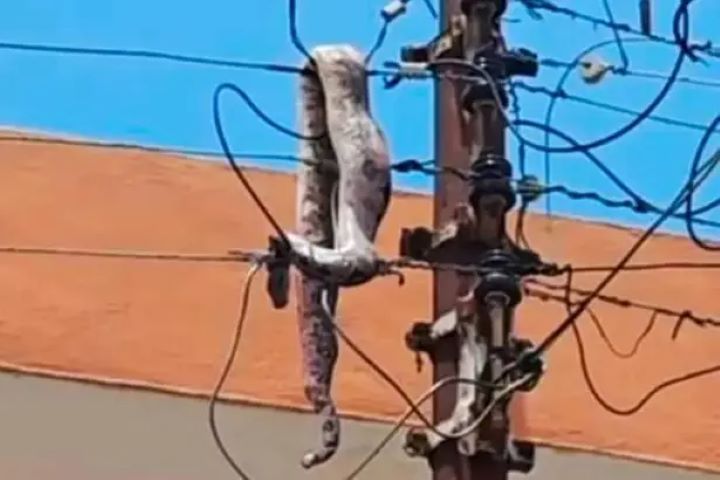
It was an ordinary Wednesday morning in Kwaso—until the lights flickered and died. What followed was anything but typical: a giant snake, entangled in electrical wires, was found to be the unlikely culprit behind a temporary power outage that stunned residents and left ECG crews scrambling for answers.

On the morning of Wednesday, June 11, 2025, a huge snake slithered onto a utility pole, causing a short circuit that plunged parts of the community into darkness for hours.

The Culprit: A Colossal Serpent

According to eyewitnesses and reports from the Electricity Company of Ghana (ECG), the snake was discovered coiled dangerously around electrical equipment atop a utility pole. Its contact with live wires caused a sudden short circuit, plunging parts of Kwaso into darkness for several hours.

A local ECG technician who responded to the scene confirmed that the snake’s body had interfered with the high-voltage system, triggering safety mechanisms that shut down power to protect the grid.

“We’ve had birds, we’ve had storms—but this is the first time we’ve had a snake cause an outage on this scale,” said one ECG engineer at the scene.

A Shock to the System

The power outage, which lasted approximately two hours, affected homes, businesses, and traffic in the immediate vicinity. Fortunately, thanks to a quick response from ECG technicians, the issue was isolated and resolved without further damage.

The snake, unfortunately, did not survive the encounter—raising concerns about the interaction between wildlife and infrastructure in rapidly urbanizing regions.

Nature Meets the Grid

While unusual, this isn’t the first time animals have disrupted power lines. Across the world, snakes, monkeys, squirrels, and even cats have been known to cause unexpected blackouts. Experts say that as human settlements expand into natural habitats, such encounters may become more common.

Wildlife experts in the Ashanti Region have suggested installing protective mesh guards and animal barriers on power infrastructure in forest-adjacent communities like Kwaso to prevent future incidents.

“It’s a reminder that we share space with nature—even if it shows up in the most electrifying ways,” commented one local conservationist.

Local Reactions: A Mix of Shock and Humor

Residents of Kwaso took to social media and WhatsApp groups to share images and jokes about the “snake outage.” One popular meme read, “Even the snake wanted to charge its phone.” Others saw it as a sign—though what it signified was left open to interpretation.

While some were briefly inconvenienced by the blackout, many expressed relief that it wasn’t caused by a technical failure or sabotage, but rather nature making an unexpected appearance.

Looking Ahead

The Electricity Company of Ghana has assured the public that further inspections will be conducted in the area to prevent repeat occurrences. Engineers are also reviewing pole designs and discussing wildlife-safe upgrades for rural lines.

As for Kwaso, it will surely remember June 11 not just as the day the lights went out—but the day a snake slithered its way into the town’s story.

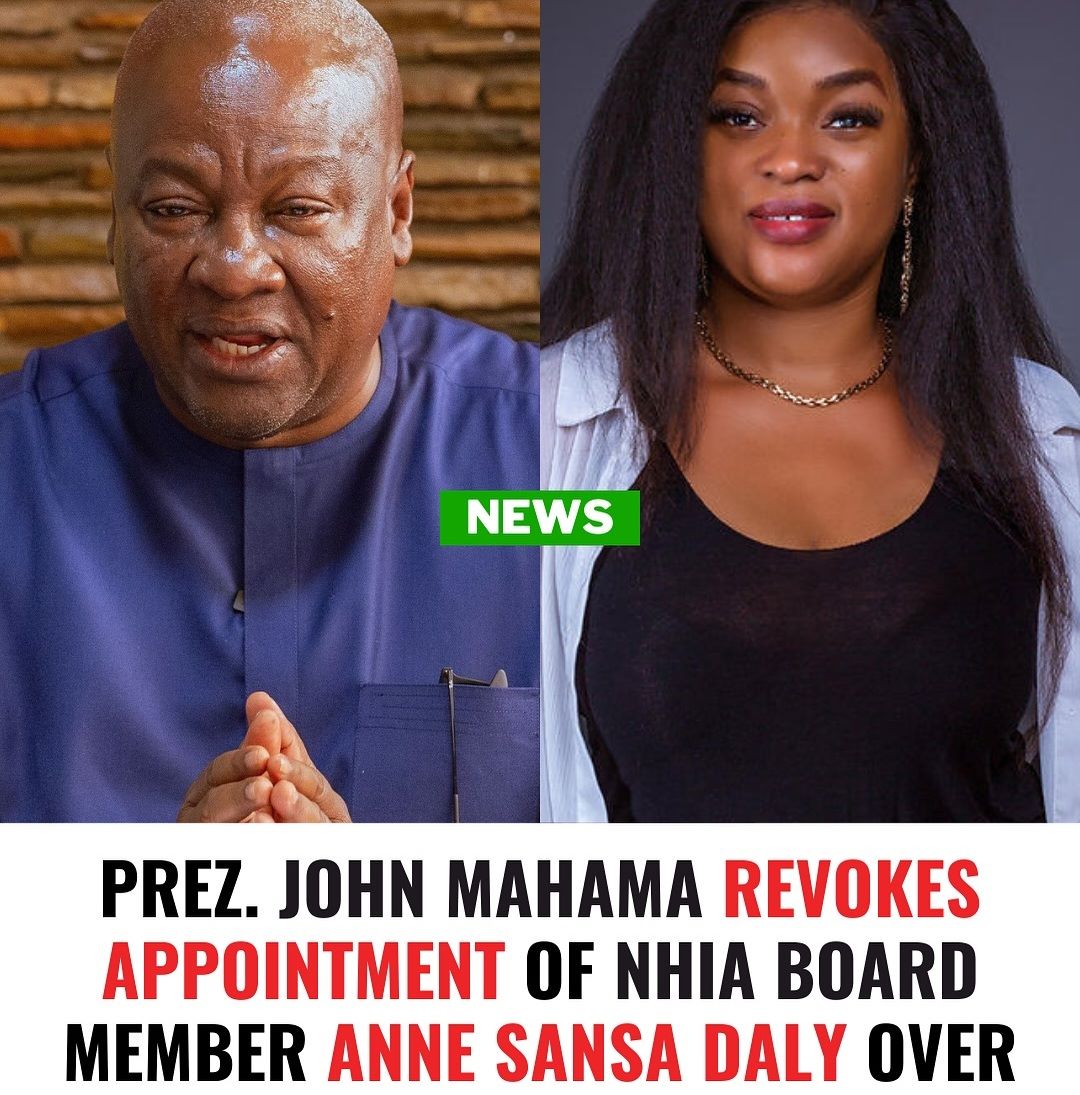
Official Biography Of Anne Sansa Daly: Birth Place, Family, Education, Career & President Mahama’s Revoked

President John Mahama, Anne Sansa Daly

ACCRA: In the constellation of Ghana’s most eccentric, ambitious, and polarizing personalities, one name sparkles with unapologetic audacity: Dr. Anne Sansa Daly. Dubbed the female version of Dr UN, Sansa Daly wasn’t just a storm—she was the weather.

Equal parts enigmatic, intelligent, and theatrical, she swept through Ghana’s socio-political space with flair, controversy, and a PhD in reinvention.

Early Brilliance, Education and Family

According to GhanaRegions.com, Anne was born in Kumasi to a modest family, Anne Sansa Daly showed signs of brilliance early. A product of Wesley Girls’ High School and later the University of Ghana, her mind was as sharp as her tongue. She earned a doctorate in Global Image Politics, a self-coined academic field blending PR, psychology, and pan-African diplomacy. It wasn’t long before she began styling herself as “Dr. Sansa Daly – Diplomat Extraordinaire and Global Awards Architect.”

But it wasn’t her academic credentials that made her famous. It was her uncanny ability to command rooms, convince elites, and craft ceremonies so grand they fooled even the most security-conscious politicians and celebrities.

The “UN-Style” Awards & Ascendancy Career

Inspired by the legendary (and controversial) Dr. UN, Sansa Daly launched the Global Elite Humanity Honors (GEHH)—an awards scheme wrapped in blue ribbons, flags, and pompous protocol. Ghanaian influencers, ministers, journalists, and business moguls flocked to her events, seduced by the air of legitimacy and vague ties to supposed international bodies.

What made Dr. Sansa able was her mastery of perception. She knew how to use academic language, media presence, and strategic ambiguity to make herself seem untouchable. She understood Ghana’s hunger for validation—particularly from anything sounding “global.” And behind her success? A loosely connected but powerful network of media allies, image consultants, and even a few retired diplomats who were charmed by her tenacity.

Political Ties and the Mahama Chapter

Her star reached new heights during the final years of the President John Mahama administration, when whispers in Accra’s corridors claimed that she had become an unofficial “image advisor” to certain government officials. Her awards even found their way into Flagstaff House.

But fame is a fickle friend.

It wasn’t long before the inconsistencies around her international affiliations came under scrutiny. Investigative journalists began asking hard questions. Who exactly endorsed these awards? What is the GEHH? And why were so many public officials attending?

President Mahama, facing his own political battles and a growing perception crisis, eventually distanced himself from the spectacle. Whether he dropped her due to internal pressure, opposition backlash, or pure political survival, the result was clear: Dr. Anne Sansa Daly was no longer welcome in elite political circles.

President John Mahama Revokes Appointment of Dr Anne Sansa Daly

Reinvention and Legacy

But Anne Sansa Daly is nothing if not a phoenix. After being dropped, she rebranded—this time as a motivational speaker, author, and continental women’s empowerment consultant. She remains a fascinating figure, blending satire and sincerity in equal measure.

To her critics, she’s a cunning manipulator.
To her fans, she’s a visionary disruptor.
To Ghana, she is unforgettable.

“They didn’t drop me. They paused me. Queens don’t fade—we recalibrate.” Dr. Anne Sansa Daly

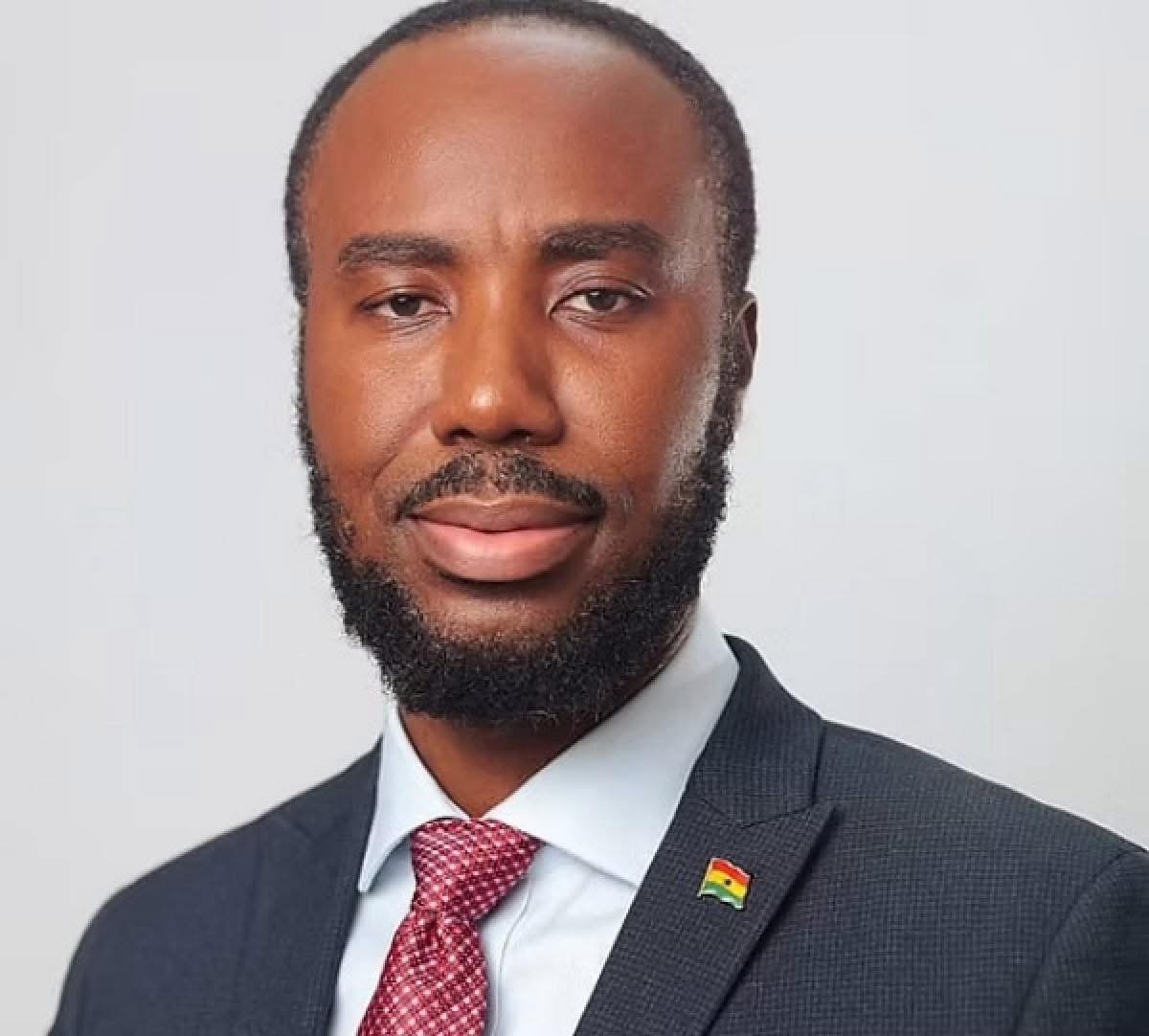
Kwabena Adu-Boahene’s GH₵ 49 million Cyber Security Funds Case

Adu-Boahene, Cyber Security Funds Case

The cyber world was meant to be safer—until the money meant to secure it disappeared. Prosecutors in Ghana’s explosive GH₵ 49 million cybersecurity funds case now allege that Adu-Boahene, a key figure in the scandal, failed to declare his personal assets, raising serious questions about transparency and accountability in the public sector.

The accusations come amid a broader investigation into the suspected embezzlement of public funds earmarked to protect Ghana’s digital infrastructure.

These funds, meant to defend against cyberattacks and modernize national security systems, are now at the center of a corruption storm that threatens to undermine public trust in government institutions.

“When the watchdog is compromised, who protects the people’s purse?”

The Allegations

At the heart of the new controversy is Adu-Boahene’s alleged failure to comply with asset declaration laws—a requirement for all public officials in Ghana. Prosecutors claim this lapse is not merely procedural, but potentially intentional, raising questions about whether assets were deliberately hidden to avoid scrutiny.

Legal analysts argue that undeclared assets often signal attempts to conceal income gained through improper or illegal means. In corruption cases, such omissions are red flags that invite closer examination of a suspect’s financial dealings, lifestyle, and influence over public contracts.

The Bigger Picture: GH₵ 49M in Question

The undeclared assets revelation comes as part of a sweeping investigation into the misappropriation of nearly GH₵ 49 million in public funds allocated for cybersecurity development. These funds were intended to upgrade national systems, improve data protection, and prepare government agencies for the growing threat of cybercrime.

Instead, auditors and prosecutors have uncovered a trail of suspicious expenditures, questionable contracts, and irregular financial flows.

Kwabena Adu-Boahene’s role in the administration and oversight of these funds has come under intense scrutiny—especially now, with asset declaration non-compliance added to the list.

Public Outcry and Institutional Response

The Ghanaian public, long weary of corruption scandals, has responded with growing frustration. Civil society groups and anti-corruption advocates are demanding not only legal accountability, but systemic reform. The Adu-Boahene case has become a symbol of the wider challenges facing public governance in the country.

“Every case like this chips away at trust,” said one civic leader. “When leaders can’t follow basic rules like asset declaration, how can we trust them to manage millions meant for national security?”

Meanwhile, calls for transparency and reform within the institutions that handle public funds are growing louder. Critics argue that weak enforcement mechanisms and political shielding allow high-profile figures to escape consequences—something many hope will change with this trial.

What Happens Next?

Adu-Boahene is expected to appear in court again in the coming weeks, where prosecutors will formally present the asset declaration violations alongside other charges. Legal observers say the outcome could be pivotal—not only for this case but for how future corruption cases are prosecuted in Ghana.

If convicted, Adu-Boahene could face significant fines and jail time, and the case may trigger wider audits and asset probes involving other officials connected to the cybersecurity funds.

A Moment of Reckoning

This scandal, painful as it may be, could also be an opportunity—a turning point for Ghana’s anti-corruption agenda. The question now is whether the system will rise to meet the challenge or continue the cycle of impunity.

Note: GH₵49 million is equivalent to approximately USD 9 million, based on the exchange rate at the time.

Adu-Boahene said “I’ll Definitely Come Out of This!” in an audio.

Ghana Cedis: Strength, Expectations, and Strategy

Ghana Cedis
Ghana Cedis

The Ghanaian cedi has shown signs of resilience. After reaching lows of around GHS 16.40 per USD earlier in the year, it appreciated to approximately GHS 10.36 in mid-May before stabilizing near GHS 10.60. – Ghanaian cedi symbols ₵.

This rebound is attributed to proactive government measures, including gold-backed reserves and increased investor confidence.

Future Projections: 3 Months, 6 Months, and 1 Year:

According to DebrichGroup.com, the cedi is expected to maintain its current strength, with projections suggesting it could reach GHS 10.00 per USD if supportive policies continue.

Ghanaian CEDI [currency sign: GH₵ and currency code: GHS] is the unit of currency of Ghana.

The Ghanaian Cedi (GHS), the official currency of Ghana, has been at the center of national and international economic discussions in 2025.

Amid global economic shifts, fluctuations in the US dollar, and domestic financial reforms, the performance of the cedi has become a crucial topic for Ghanaians at home and abroad.

This article explores:

The current exchange rate

The cedi’s recent trends and future outlook

The implications of a falling dollar

What Ghanaians can do to support the cedi

Forecasts for the next year

Current Exchange Rate (As of May 29, 2025)

$1 USD ≈ 15.86 GHS

$100 USD ≈ 1,586 GHS

These rates reflect real-time market conditions and may vary slightly between banks and forex bureaus.

How Long Will the Cedi Stay Strong?

The cedi’s resilience depends on several factors:

Foreign exchange reserves (including gold)

Export performance (especially cocoa, gold, and oil)

Inflation control

Government spending discipline

External economic factors like global oil prices and dollar strength

If these elements are managed well, the cedi could retain relative strength for the next 3 to 6 months, with challenges possibly intensifying in the 9- to 12-month horizon.

How a Falling Dollar Could Benefit Ghana

A depreciation in the US dollar can positively affect Ghana in the following ways:

Positive Impacts:

Lower External Debt Burden: Ghana’s debt, much of it dollar-denominated, becomes cheaper to repay.

Cheaper Imports: Imported goods from non-dollar economies (e.g., China, Europe) may become more affordable.

Stronger Export Earnings: Exports priced in dollars bring more value when converted to cedis.

Investment Appeal: Stability in the cedi attracts foreign direct investment (FDI).

However, caution is needed, as other currencies could gain relative strength, which may increase the cost of imports from non-dollar sources.

What Should Ghanaians Expect?

1. In 3 Months (August 2025):

From DebrichGroup.com analyst, Cedi might stabilize between GHS 10.50–12.00 per USD if current policies hold.

Domestic inflation could ease.

Slight relief on fuel and food prices.

2. In 6 Months (November 2025):

Forecasts suggest the cedi may face renewed pressure, reaching around GHS 12.80–14.00.

Seasonal cocoa exports may cushion this.

3. In 9 Months (February 2026):

Post-holiday imports and possible IMF loan repayments may challenge the cedi.

Rate could hover near GHS 15.00+.

4. In 1 Year (May 2026):

If government spending increases ahead of elections, the cedi could weaken further to around GHS 17–20 per USD.

If fiscal discipline is maintained, the rate could remain under GHS 15.

What Caused the Dollar to Fall?

Several global and domestic dynamics have influenced the relative weakness of the dollar:

High U.S. interest rates tapering off

Reduced global demand for U.S. Treasury bonds

Increased global interest in alternative reserves (gold, yuan, digital currencies)

Emerging markets shifting from dollar-based trade

In Ghana’s case, increased gold-backed reserves and bilateral trade agreements (e.g., oil-for-gold) have reduced dollar demand.

How Ghanaians Can Help Strengthen the Cedi

Buy Local, Export More:

Supporting local industries reduces import dependency.

Expanding export-driven businesses earns foreign exchange.

Invest in Agriculture and Manufacturing:

These sectors reduce food import bills and increase self-sufficiency.

Use Mobile and Digital Payments:

Reduces forex pressure through transparency and formalization of transactions.

Diaspora Investment:

Ghanaians abroad should consider investing in productive sectors, not just real estate.

Invest through local banks to increase foreign currency reserves.

Avoid Panic Buying or Dollar Hoarding:

Speculation drives unnecessary demand for foreign currency.

The Ghanaian cedi has shown resilience in 2025, but its future depends on careful economic management, a supportive global environment, and collective action from citizens. While a weaker dollar offers temporary breathing room, long-term stability will come only from strengthening Ghana’s internal economic capacity.

Ghanaians—both local and in the diaspora—must play their part by investing wisely, consuming locally, and keeping confidence in the national currency.

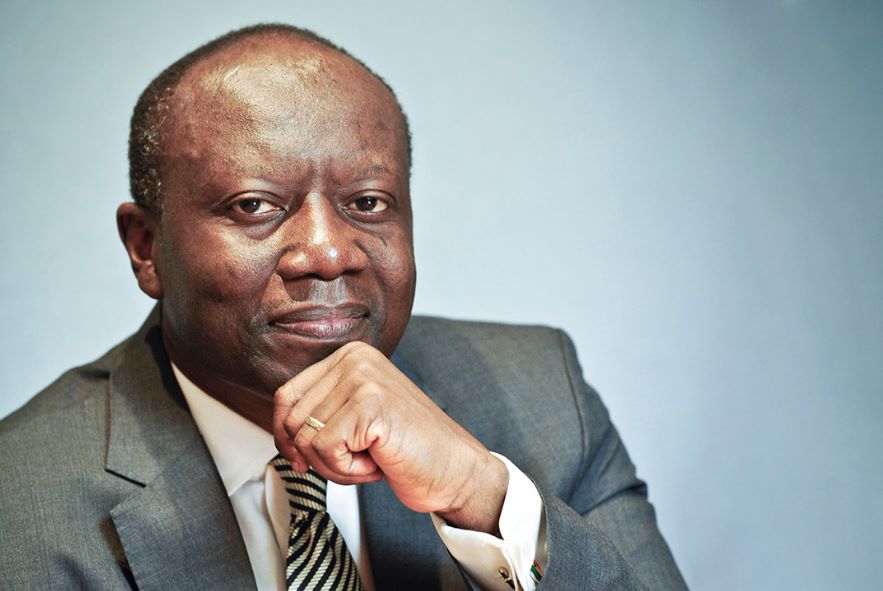
Official Profile And Biography Of Ghana’s Former Finance Minister Ken Ofori-Atta

Former Finance Minister Ken Ofori-Atta

Economist, Politician and former Ghanaian Finance Minister Kenneth Nana Yaw Kuntunkununku Ofori‑Atta, also known as Ken Ofori-Atta was born on 7th November 1958 in Kibi, Eastern Region, Ghana.

According to DebrichGroup.com, Ken Ofori-Atta’s journey is one of striking contrasts: a Wall Street investment banker turned African statesman, whose influence shaped Ghana’s economy during one of its most turbulent decades.

As co-founder of the pioneering Databank Group and later the nation’s finance minister, his legacy straddles financial innovation, controversial fiscal policies, and unprecedented public scrutiny.

From IMF negotiations to an international Interpol Red Notice, his story is both a mirror of Ghana’s ambitions and its accountability struggles.

Kenneth Nana Yaw Kuntunkununku Ofori‑Atta hails from a politically prominent family—his father was economist-politician Jones Ofori Atta, and he’s a cousin of President Nana Akufo‑Addo.

Educated at Achimota School, he earned a B.A. in Economics from Columbia University in 1984 and an MBA from Yale School of Management in 1988.

Professional Career

After a stint at Morgan Stanley and Salomon Brothers in New York, he returned to Ghana in 1990 to co-found Databank Group. His leadership transformed it into a leading financial services firm across West Africa.

Political Career as Finance Minister (2017–2024)

Nominated by President Akufo‑Addo, Ofori‑Atta served as Ghana’s Minister of Finance and Economic Planning from 27 January 2017 to 14 February 2024.

During his tenure, he chaired the World Bank/IMF Development Committee, steered Ghana through a significant IMF-supported debt restructuring after the 2022 default, and earned praise—including “Africa Finance Minister of the Year 2018”.

Later Years & Controversies

Despite early economic optimism—like an S&P rating upgrade—his term drew criticism that culminated in a parliamentary censure motion in October 2022 amid currency decline and economic mismanagement. He was ultimately reshuffled out in early 2024

🛑Interpol Red Notice: Why, When & Where, Why Was He Listed?

In early 2025, Ghana’s Office of the Special Prosecutor (OSP) launched investigations targeting five major corruption cases involving Ofori-Atta—most notably:

Alleged misuse of approximately US $58 million in public funds tied to an unfinished “National Cathedral” project.

Financial misconduct in contracts related to petroleum revenues, electricity, ambulance procurement, and a revenue assurance deal with Strategic Mobilisation Ghana Ltd (SML).

Key Timeline

Date Event
Jan 2025 OSP requests his presence by 10 Feb regarding corruption cases.
Feb 12, 2025 Declared a “fugitive” after not appearing due to claimed medical treatment abroad .
Feb 18, 2025 OSP removes him from the wanted list after he offers to return in May.
Mar 2025 He files suit against the OSP over reputational damage and online content .
June 2, 2025 OSP re-declares him wanted as he fails to appear again .
June 5–6, 2025 Interpol issues the Red Notice following the renewed request .


What Is an Interpol Red Notice?

It is not an arrest warrant, but a global alert asking member countries (all 196 nations) to locate and provisionally arrest a person pending extradition.

Ofori‑Atta is described as a 65‑year‑old Ghanaian male, born in Accra on 7 November 1958, 1.70 m tall, black hair/eyes, known to speak English and Twi.

Possible detainment is now valid in any of the 196 member countries, including major jurisdictions like the US, UK, South Africa, Guyana, Hong Kong, and the Cayman Islands

Reactions & Implications

His legal team deems the “fugitive” label an infringement of rights, citing ongoing medical treatment abroad

Some legal experts argue that making the Red Notice public might undermine covert arrest strategies and border surveillance

For Ghana’s new administration under John Mahama, this forms part of a broader anti-corruption drive seeking to recover billions in alleged misappropriated public funds.

🔍Current Status & What’s Next

Whereabouts: Official sources confirm he’s abroad undergoing medical treatment; exact location unknown .

Detention Risk: Launches a risk of arrest if he returns to any Interpol member country—pending extradition decisions.

Legal Strategy: His team is prepared to formally challenge the process through Ghana’s courts, citing health and reputational concerns.

OSP Stance: The prosecutor vows to pursue all legal avenues to bring him back to Ghana for trial.