Nyame Ye (God is Good) by Piesie Esther, Nyame Ye by Piesie Esther, produced by Kuami Eugene, Skyweb Videos
The GH Awards 2025 (Ghana General Awards) are shaping up to be a milestone moment for gospel music, with Piesie Esther receiving six major nominations.
According to DebrichGroup.com reporters, these nominations honor her artistry, influence, and consistent contribution to the gospel industry. Her recognition spans across both vocal excellence and songwriting prowess, making her one of the most celebrated nominees this year.
Piesie Esther six categories include:
Gospel Song of the Year (Ateene)
Gospel Artist of the Year
Female Vocalist of the Year
Best Music Video of the Year
Most Popular Song of the Year
Songwriter of the Year
These nominations highlight the lasting impact of her earlier works, particularly her worship anthem Waye Me Yie, which continues to resonate across churches, events, and music charts in Ghana.
A New Chapter: The Release of “Nyame Ye”
Even as she basks in the glory of her GH Awards 2025 nominations, Piesie Esther is opening a new musical chapter with the release of “Nyame Ye.” The title translates to “God is Good”, a message that perfectly aligns with her testimony driven ministry.
The song is produced by Kuami Eugene, whose touch blends modern soundscapes with rich gospel depth, giving “Nyame Ye” both a contemporary feel and a timeless worship atmosphere. The accompanying visuals, directed by Skyweb Videos, capture the power of the song through breathtaking imagery that complements its message of gratitude and praise.
“Nyame Ye” is more than just a gospel release; it is a declaration of faith and thanksgiving. Through her commanding vocals, Piesie Esther emphasizes the unchanging goodness of God a message designed to uplift, inspire, and bring hope to listeners.
Her ability to connect deeply with audiences has made her a household name in Ghanaian gospel music, and with this release, she continues her mission of using music as a ministry tool to impact lives spiritually and emotionally.
Piesie Esther’s Impact on Ghana Gospel Music
Over the years, Piesie Esther has become one of the most consistent and powerful voices in the gospel industry. From Waye Me Yie to Ateene, her songs often serve as worship anthems for believers across Ghana and beyond.
Her GH Awards 2025 nominations reinforce her role as not just a singer, but also a minister of the gospel through music, with recognition in categories like Songwriter of the Year and Female Vocalist of the Year further cementing her legacy.
Looking Ahead
With “Nyame Ye” now released, Piesie Esther is set to enter yet another defining chapter in her career. While the GH Awards 2025 will celebrate her past and present achievements, the release of her new anthem positions her for even greater recognition in the future.
Whether she secures one award or sweeps all six categories, one thing is clear: Piesie Esther’s music continues to inspire, uplift, and point listeners to the goodness of God.
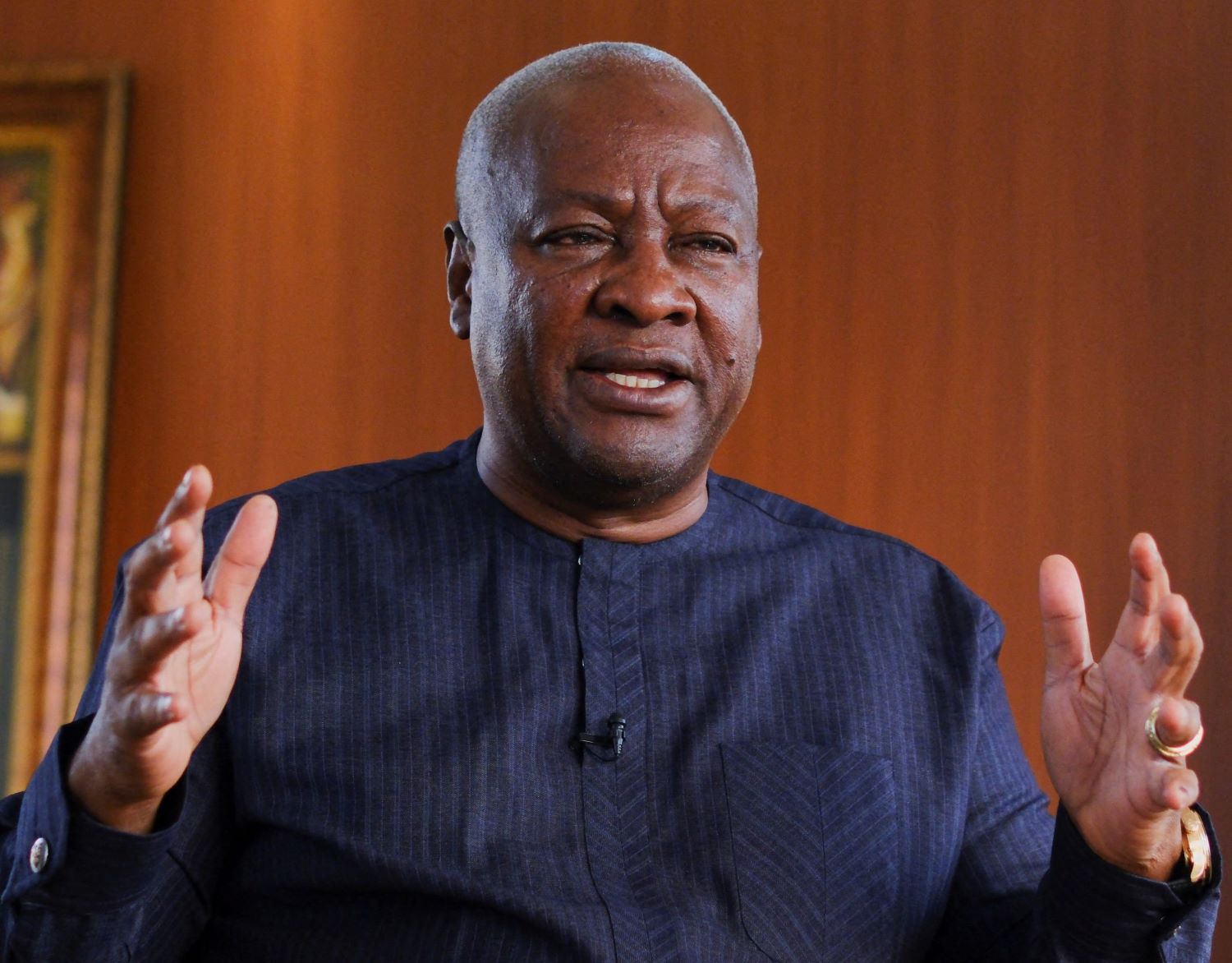
President John Dramani Mahama, President Mahama grants amnesty, Mahama grants amnesty to 998 prisoners, Nana Agradaa
Ghana’s prison system witnessed a massive shake-up as President John Mahama approved amnesty for nearly 1,000 inmates. The announcement sparked widespread discussions, particularly around notable figures like Nana Agradaa and Ato Essien, whose inclusion or exclusion has become a trending topic online.
However, the spotlight quickly shifted to high-profile convicts such as Nana Agradaa and Ato Essien, with many eager to know whether their names appeared among the beneficiaries.
Who Are Included:
33 seriously ill inmates
36 inmates aged 70 years and above
2 nursing mothers
87 inmates on death row—their sentences were commuted to life imprisonment
51 inmates serving life sentences—their sentences were reduced to a fixed 20-year term
787 first-time offenders who are being released
Additionally, two unnamed prisoners who had submitted petitions for pardon were included, though their identities were not disclosed in the presidential statement.
The amnesty was positioned as a humanitarian gesture, aimed at alleviating prison overcrowding while offering constitutional mercy.
Nana Agradaa’s Status: Was She Included?
No, Nana Agradaa (Patricia Asiedu Asiamah) was not among the beneficiaries. As she has served less than six months of her 15-year sentence, she was deemed ineligible for this round of amnesty.
Likewise, William Ato Essien, the former CEO of Capital Bank who had petitioned for a pardon on health grounds, was also excluded. He is currently on medical bail pending his appeal.
Additional Context
Confusion initially arose on social media about whether Nana Agradaa might benefit from the presidential pardon. Discussions also extended to why certain high-profile figures, including Agradaa and Ato Essien, were not covered under the amnesty despite the broad range of beneficiaries.
Key Point
Details
Date of announcement
August 18, 2025
Total granted amnesty
998 inmates
Inclusion Criteria
Seriously ill prisoners, elderly (70+), nursing mothers, death row convicts, life sentence inmates, first-time offenders, and two anonymous petitioners
Nana Agradaa
Not included — insufficient time served
Ato Essien
Not included — currently on medical bail, under appeal
Purpose
Humanitarian relief, decongestion, mercy under constitutional provisions
President Mahama’s amnesty reflects a balance between justice and compassion. While it covers a broad range of humanitarian cases, high-profile individuals like Nana Agradaa and Ato Essien were notably excluded, underscoring that eligibility adhered strictly to predefined criteria primarily length of service, health status, and petitioning rather than case notoriety.
The Lion of Burkina Faso, Ibrahim Traoré, Akil Media, Where Is Josephine
Ibrahim Traoré: The powerhouse YouTube channel Africa Kids In Love and production company Akil Media are celebrating huge milestones this year from record breaking views for Twisted Heart to the highly anticipated release of their new political drama The Lion of Burkina Faso (Ibrahim Traoré).
Adding to the excitement, several cast and crew members have earned prestigious nominations at the GH AWARDS 2025 (Ghana General Awards), proving that their creative impact is resonating nationwide.
Twisted Heart Still Trending With 1.7 Million views
After captivating audiences, which has now surpassed 1.7 Million YouTube views, Twisted Heart returns with a thrilling that picks up the inspirational, emotional and suspense-filled journey.
New Release: The Lion of Burkina Faso
Story by: Gyan Williams (Akil Media) Starring: Frederick Agyemang as Ibrahim Traoré
Hot on the heels of Twisted Heart, Akil Media presents a bold, politically charged drama inspired by real-life events.
The Lion of Burkina Faso tells the inspiring story of Ibrahim Traoré, a humble young man from a struggling village who trades a promising future in science for a life in the military. His mission? To protect his people and fight corruption that has drained Burkina Faso’s resources for decades.
From battling terrorism with limited resources to challenging foreign interference, Traoré’s journey is one of bravery, sacrifice, and unyielding leadership.
Frederick Agyemang’s powerful portrayal captures both the humanity and the unbreakable will of a man determined to see his country free.
In a tense fictional climax, the world stands on the brink of war when France, Russia, and China face off over Burkina Faso’s independence. The UN intervenes, and the standoff ends marking a symbolic victory for Africa’s self-determination.
GH AWARDS 2025 – Nominations & Recognition
The talent behind these productions is making waves, earning top nominations at the Ghana General Awards 2025:
Josephine Manu – Best Actress of the Year
Gyan Williams – Best Director of the Year (Twisted Heart & The Lion of Burkina Faso)
Elishaba Oforiwaa Sam – Best Actress of the Year
Frederick Agyemang – Best Actor of the Year
These nominations celebrate not only individual excellence but also the collaborative power of storytelling that Akil Media and Africa Kids In Love bring to the screen.
Where to Watch & How to Support
Both Twisted Heart and The Lion of Burkina Faso are available on the Africa Kids In Love YouTube channel. By watching, subscribing, sharing, and engaging with the content, viewers can help push these productions to even greater heights and support their journey at the GH AWARDS 2025.
Vote: Support your favorite nominees at the GH AWARDS 2025 with your votes.
From heartfelt mysteries to bold political thrillers, Africa Kids In Love and Akil Media are proving that Ghanaian film has the power to inspire, entertain, and challenge audiences. With multiple GH AWARDS 2025 nominations and unforgettable productions streaming now, this is the moment to join the movement.
Two Ghanaian TikTok figures, Fante Comedy and Akosua Jollof, are in police custody after a livestream about the fatal military helicopter crash sparked outrage for its mocking tone and alleged threats toward national leaders.
Biography Of Akosua Jollof
Akosua Jollof also known as Yayra Abiwu, became a digital darling, known for her lively Fante driven comedic shorts and aesthetic storytelling.
However, she made headlines for a darker reason after livestreaming a military helicopter crash that turned fatal, causing her detainment by Ghana’s police.
According to DebrichGroup.com, her arrest and the content she chose to film has raised critical questions about the ethics of social media content creation during real-time tragedy.
Personal Life
Limited public information exists regarding her personal or educational background. She maintains a private presence off-camera, focusing her public persona entirely on her creative output.
Real Name: Yayra Abiwu Popular Name: Akosua Jollof Profession: Social media personality and frequent TikTok live contributor.
Akosua Jollof is a Ghanaian TikTok user recognized for participating in viral online discussions, often centered on politics and social issues. Her style is candid and unapologetic, which has sometimes led to disputes and online backlash.
Biography Of Fante Comedy
Real Name: Prince Ofori Popular Name: Fante Comedy Profession: TikToker, online commentator, and satirical content creator
Platform: Primarily active on TikTok with live sessions and humorous commentary on trending issues.
Fante Comedy is a Ghanaian TikTok personality known for his comedic takes on politics, social life, and entertainment. His style blends satirical commentary with spontaneous audience engagement, often through live sessions that invite viewers to speak freely on trending national matters. While this approach has earned him a following, it has also courted controversy for the unfiltered nature of his content.
Rise to Fame
Akosua Jollof attracted attention on TikTok with vibrant comedy sketches blending everyday Ghanaian experiences, Fante-language humor, and cultural commentary. Her engaging style and quick wit earned her a dedicated following and widespread recognition among Ghana’s social media users.
Style & Persona
Her content featured a mix of linguistic punchlines, relatable scenarios, and cultural nuances that resonated across genders and age groups. She became known for her energetic delivery and ability to tackle social themes with levity turning everyday frustrations and joys into comedic art.
The Helicopter Crash Controversy
On 6 August 2025, Ghana was plunged into mourning after a Ghana Air Force Z-9 helicopter crashed near Obuasi in the Ashanti Region, killing all eight on board, including two government ministers. The tragedy gripped the nation, with calls for dignity and respect in public discourse.
Shortly after, Fante Comedy hosted a TikTok live session discussing the crash. The livestream, which quickly went viral, included multiple participants-among them Akosua Jollof—who mocked the victims and made inflammatory remarks. Disturbingly, some speakers in the live wished that Sammy Gyamfi and former President John Mahama had died in the crash. Others allegedly made threats against national leaders, including the First Lady.
Police Response and Arrests
On 12 August 2025, the Ghana Police Service issued a statement confirming the arrest of:
Prince Ofori (Fante Comedy)
Yayra Abiwu (Akosua Jollof)
Both were taken into custody for questioning over their involvement in the live session and the threats made therein. The police confirmed that additional individuals connected to the video are on the run, with a manhunt underway to apprehend them.
The statement read in part:
“The Ghana Police Service has commenced investigations into a viral TikTok video in which an individual is heard threatening the lives of the President of the Republic, H.E. John Dramani Mahama, and the First Lady.”
The incident has raised significant concerns about the misuse of social media platforms for inflammatory or threatening speech, particularly in the wake of a national tragedy.
Public Reaction
Condemnation: Many Ghanaians have condemned the comments made during the livestream as disrespectful and dangerous, especially so soon after the helicopter crash.
Free Speech Debate: Others have argued that while the remarks were in poor taste, arrests for online speech must be balanced with constitutional protections for expression.
Political Sensitivity: Given the high-profile nature of the targets former President Mahama, the First Lady, and ruling party figures the livestream has been framed as politically charged.
Aspect
Details Summary By DebrichGroup.com
Incident Date
6 August 2025 (helicopter crash), livestream followed
Crash Victims
8 dead, including Defence and Environment Ministers
TikTok Host
Fante Comedy (Prince Ofori)
Key Participant
Akosua Jollof (Yayra Abiwu)
Nature of Content
Mocking crash victims, wishing harm to political figures, alleged threats
Arrest Date
12 August 2025
Charges
Investigation for threats, incitement, and related offences
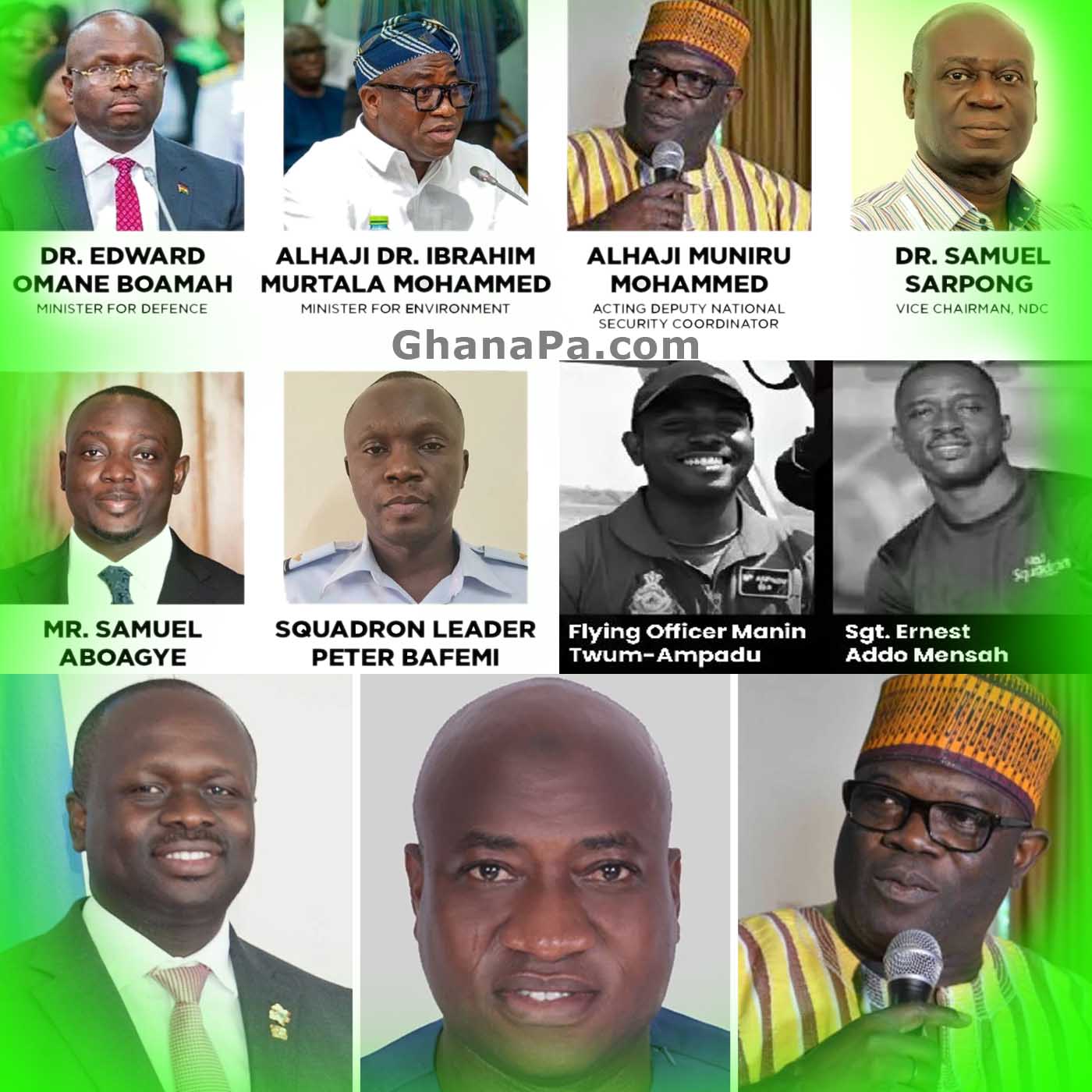
Ghana Helicopter Crash, Edward Omane Boamah, Alhaji Ibrahim Murtala Muhammed, Alhaji Muniru Mohammed, Samuel Sarpong, Samuel Aboagye, Peter Bafemi Anala, Ernest Addo Mensah
Ghana is in mourning after a military helicopter crash claimed eight lives, including two cabinet ministers. The crash occurred in the forested Adansi region as the delegation traveled for a government mission in Obuasi.
This piece explores the identities of the deceased, their service to the nation, and the purpose of their ill-fated journey. In this detailed article, we break down who the victims were, their backgrounds, and what led to this national tragedy.
According to DebrichGroup.com sources, the aircraft was on a mission tied to illegal mining enforcement.
In this detailed article, we break down who the victims were, their backgrounds, and what led to this national tragedy.
On Wednesday, August 6, 2025, a Ghana Armed Forces Z‑9 military helicopter departed from Accra heading toward Obuasi, in Ghana’s Ashanti Region, where officials were scheduled to attend a public event related to environmental and security concerns. Around 9:12 AM, radar contact was lost. The wreckage was later found in the Adansi Akrofuom District, in a forested area. All eight people on board—five passengers and three crew—were killed.
Biography of the Eight Fatalities
1. Dr. Edward Kofi Omane Boamah
Role: Minister for Defence (Feb–Aug 2025)
Background: Medical doctor by training; served previously as Minister for Communications, Deputy Minister of Sport and Youth, and spokesperson under President John Mahama. Studied at LSE, University of Ghana Medical School, and London School of Hygiene & Tropical Medicine.
Mission: En route to Obuasi for a government public event on anti‑illegal mining and environmental partnerships.
Crash site: Adansi District, Ashanti Region
2. Alhaji Dr. Ibrahim Murtala Muhammed
Role: Minister for Environment, Science, Technology & Innovation (from Feb 2025); MP for Tamale Central (2021–2025).
Background: Born 14 Dec 1974; developed a career as a development planner and politician; also served as Deputy Minister of Trade & Industry (2014–2017) and Deputy Minister for Information & Media Relations (2013–2014). Married with three children.
Mission: Traveling to Obuasi for a scheduled environmental initiative event.
Crash location: Adansi Akrofuom District, Ashanti Region
3. Alhaji Muniru Mohammed Limuna
Role: Acting Deputy National Security Coordinator
Background: Senior security official charged with coordinating national threats and advising the presidency.
Mission: Part of the official delegation traveling to Obuasi for related public events.
Crash site: Same flight path in Ashanti, crash in Adansi region.
4. Dr. Samuel Sarpong
Role: Vice‑Chair of ruling National Democratic Congress (NDC) party
Background: Prominent party official; influential in national political organization.
Mission: Representing NDC at the Obuasi event.
Crash: Died when helicopter crashed in Adansi area.
5. Mr. Samuel Aboagye
Role: Former Parliamentary Candidate (NDC)
Background: Local political figure and party campaigner.
Mission: Part of the delegation to Obuasi for political and environmental outreach.
Crash: Fatality at Adansi site, Ashanti region
6. Squadron Leader Peter Bafemi Anala
Role: Pilot of the Ghana Air Force Z‑9 helicopter
Background: Senior air force officer, experienced in transport and medevac missions.
Mission: Captain in command of the flight from Accra to Obuasi.
Crash: Died alongside crew in the crash near Adansi.
7. Flying Officer Manin Twum‑Ampadu
Role: Co‑pilot (Flight officer) for the mission
Background: Qualified Ghana Air Force flight officer, with service postings including medevac support.
Mission: Second-in-command during the official trip to Obuasi.
Crash: Perished in the Adansi crash zone
8. Sergeant Ernest Addo Mensah
Role: Aircrew member (Sergeant)
Background: Enlisted air force personnel responsible for in-flight operations.
Mission: Supporting the aircraft’s flight operations to Obuasi.
Crash: Also died when the helicopter went down in Adansi
Broader Context & Aftermath
The mission aimed at promoting government interventions to combat illegal mining (“galamsey”), environmental damage, and reinforce security in Obuasi, a major gold‑mining hub. This crash occurred amid mounting pressure on the government to address environmental and security concerns.
President John Dramani Mahama declared the event a “national tragedy”, ordered flags at half-mast, and suspended official functions pending investigations. Chief of Staff Julius Debrah announced it during a press conference, noting that all eight had died “in service to the country.” Nobody survived.
DebrichGroup.com confirmed that, an investigation is ongoing into potential mechanical failure, pilot error, or weather-related causes. Meanwhile, the Ghana Air Force temporarily grounded all Z‑9 helicopters pending inspection.
This devastating incident has left significant leadership gaps as Ghana mourns senior ministers and key officials. Their planned mission underscored national priorities in environmental and security policy. Continued investigation aims to bring clarity and ensure accountability.
Ghana Gold For Oil, Bank of Ghana, Gold for Oil incurred losses
The Bank of Ghana (BoG) confirmed that the much-publicized Gold For Oil (G4O) initiative launched to stabilize the local currency and reduce fuel prices has incurred a staggering GH¢2.14 billion loss.
Despite this fiscal setback, DebrichGroup.com can confirm that, the cedi is now one of the world’s best-performing currencies in 2025. This article dives into what went wrong with the G4O programme, the underlying causes of the losses, and why the Ghanaian cedi is gaining strength today.
What Was the Gold For Oil Programme?
Introduced in January 2023, Ghana’s Gold For Oil (G4O) policy allowed the Bank of Ghana to purchase gold from local miners and use it to secure petroleum products instead of spending scarce US dollars.
The goal was to ease forex pressure, lower fuel prices, and stabilize the Ghanaian cedi, all amid a global economic crunch and local inflation spikes.
BoG Confirms GH¢2.14 Billion in Total Losses
In July 2025, the BoG officially reported that G4O had resulted in GH¢2.14 billion in financial losses across two fiscal years:
GH¢320 million in 2023
GH¢1.82 billion in 2024
These losses were mainly caused by exchange rate differences and declining oil prices that left the central bank with overpriced petroleum stockpiles. The Bank also cited misaligned pricing between local gold purchases and international conversion rates.
Why Did the Programme Fail Financially?
Several critical factors contributed to the heavy losses under G4O:
Exchange Rate Mismatches: BoG paid more for gold in cedis than what the international market offered, creating conversion losses.
Oil Price Volatility: Petroleum was purchased when global prices were high, but market corrections caused Ghana to sell at lower margins.
Operational Delays: Mismatched timelines between gold procurement and fuel deliveries disrupted cash flow and market value.
Despite these issues, the BoG argued that G4O achieved some positive side effects.
The Positive Outcomes: Lower Fuel Costs and FX Demand
While the programme lost money, it did help reduce the need for USD in petroleum imports by about $1.66 billion over 18 months. Additionally:
Fuel market competition increased, causing premiums on imported fuel to drop significantly.
Interbank forex pressure eased, temporarily stabilizing the exchange rate during a volatile period.
Pump prices became more predictable, supporting consumers and small businesses.
What Was the Impact on the Ghanaian Cedi?
Between 2022 and 2024:
The Ghana cedi depreciated rapidly, hitting lows of GH¢16.4 to the dollar by late 2024. This was largely due to:
High inflation (peaking at over 50%)
Low forex reserves
Debt service stress
In 2025: Sharp Rebound
From early 2025 onward, the cedi appreciated strongly, reaching GH¢10/USD by June 2025, thanks to:
Tight BoG monetary policy (interest rate at 28%)
Debt restructuring and IMF support (over $600M in new funding)
Gold accumulation policy (reserves grew from 8.7 to over 30 tonnes)
Stronger fiscal discipline and reduced imports
Experts agree that while G4O played a minor supporting role, the real drivers were structural reforms and increased macroeconomic credibility.
Summary of Ghana’s Gold-for-Oil Key Figures
Category
Details
G4O Losses
GH¢2.14 billion (GH¢320M in 2023, GH¢1.82B in 2024)
FX Savings
$1.66 billion in reduced USD demand
Fuel Premiums
Fell from $150–170/tonne to $50–80/tonne
Cedi Performance
GH¢16.4/USD in Nov 2024 → GH¢10/USD in July 2025
Main Cedi Recovery Drivers
IMF reforms, gold reserves, tight monetary policy
Finally, Ghana’s Gold-for-Oil experiment was bold but ultimately financially unsustainable. It delivered short-term forex relief and helped ease fuel price pressures, but poor timing, weak hedging, and market volatility led to heavy central bank losses.
The recovery of the cedi in 2025 has more to do with debt restructuring, policy credibility, and reserves management than with the G4O programme itself. As Ghana looks ahead, the lesson is clear: structural reforms outperform quick fixes in the long run.
Abedi Ayew Pelé, Michael Essien, Baba Yara, Daniel Opare
Ghana, a powerhouse in African football, has produced a pantheon of stars who have illuminated the sport at club and national levels. While many fulfilled their promise, others saw their careers tragically curtailed by injury.
In this article, DebrichGroup.com team will delve into the lives and careers of four of Ghana’s brightest footballing talents whose trajectories were dramatically altered—if not ended—by serious injuries: Baba Yara, Michael Essien, Abedi Ayew Pelé (partial consideration), and Daniel Opare.
1. Baba Yara: The Tragic Pioneer
Position: Winger Clubs: Kumasi Asante Kotoko, Ghana national team Active Years: 1955–1963
Career Overview
Baba Yara is considered one of the greatest footballers in Ghana’s history. Born in 1936, he began as a horse jockey before shifting to football. He quickly rose through the ranks, dazzling fans with his speed, vision, and technique on the flanks.
Yara was a central figure in the early dominance of Kumasi Asante Kotoko and played a vital role in Ghana’s national team during the formative years of the Black Stars.
He earned the nickname “King of Wingers”, helping Ghana win multiple international friendlies and regional tournaments. His performances at the 1960 Olympic Games in Rome brought him continental fame.
The Injury
Yara’s career came to a devastating halt in March 1963 when he was involved in a car accident while traveling with Kotoko for a league match. The crash left him paralyzed from the waist down.
Despite efforts to treat him—including being flown to England for medical care—he never walked again. He died in 1969 at just 33 years old.
Legacy
Kumasi’s main stadium, the Baba Yara Sports Stadium, is named in his honor.
He is remembered as the first great Ghanaian footballer whose brilliance was cut short just as Ghana was rising as a force in global football.
2. Michael Essien: The Powerhouse Who Lost His Prime
Position: Central Midfielder Clubs: Bastia, Lyon, Chelsea, Real Madrid (loan), AC Milan, Panathinaikos, others Active Years: 1999–2020
Career Overview
Michael Essien, affectionately known as “The Bison”, was one of the most complete midfielders of his generation. He rose to prominence at Lyon, earning a big-money move to Chelsea in 2005, where he became a key player under José Mourinho.
He was known for his:
Tenacious tackling
Engine and stamina
Long-range goals (notably against Arsenal and Barcelona)
Versatility across midfield and defense
Essien was also a vital cog in Ghana’s national team, helping the Black Stars qualify for their first World Cup in 2006.
The Injuries
Essien’s downfall began with a cruciate ligament injury while on international duty in September 2008. After recovering, he suffered another serious knee injury in 2010, causing him to miss Ghana’s historic run to the quarterfinals in the 2010 World Cup.
Between 2008 and 2012, he had at least three major knee surgeries, each robbing him of pace, confidence, and stamina. He was never quite the same after returning.
Impact on Career
From being one of Chelsea’s key players, he became a rotational figure.
His move to Real Madrid in 2012 (on loan) was partly Mourinho’s effort to revive his career, but he never recaptured his former dominance.
Essien’s last major tournament for Ghana was AFCON 2015, but by then he was already on the periphery.
Legacy
Despite the injuries, Essien remains a legend in both Ghana and Chelsea lore. However, there is a consensus that injuries robbed him of five peak years, potentially costing him a Ballon d’Or nomination and a longer elite-level career.
3. Daniel Opare: The Wonderkid Who Never Bloomed
Position: Right-back Clubs: Real Madrid Castilla, Standard Liège, FC Porto, Augsburg, Lens Active Years: 2007–present (as of 2024, semi-active)
Career Overview
Daniel Opare made headlines after an outstanding performance at the 2007 FIFA U-17 World Cup, where he was rated by World Soccer magazine as one of the tournament’s breakout stars. Known for his speed, pinpoint crossing, and stamina, Opare was compared to Brazil’s Dani Alves in terms of potential.
His performances earned him a move to Real Madrid Castilla at just 17.
Injury Struggles
Opare’s promising trajectory was disrupted by recurring muscular and ankle injuries, particularly during his time in Portugal and Germany. These injuries stunted his development during the crucial years of transition into senior football.
While he managed to resurrect his career at Augsburg and made Ghana’s squad for the 2014 FIFA World Cup, he never quite matched his early potential.
Legacy
A cautionary tale of how early talent and potential can be thwarted by physical setbacks.
Despite continuing to play professionally, Opare never became the world-class defender many predicted.
4. Abedi Ayew Pelé: The One Who Escaped—but Just Barely
Position: Attacking Midfielder / Winger Clubs: Marseille, Lille, Lyon, Torino, Al Ain Active Years: 1980s–2000
Why Include Abedi?
Though Abedi Pele had a long and decorated career, including:
Winning the 1993 UEFA Champions League with Marseille
Captaining Ghana
Three-time African Footballer of the Year
He was plagued by persistent hamstring and groin injuries, especially in the early and mid-1990s. These injuries kept him out of the 1992 AFCON final, where Ghana lost on penalties to Ivory Coast.
He missed other tournaments and matches that could have elevated his profile even more globally.
What Was Lost
Speculation exists that without injuries, he could have had a longer career at the top level in Europe.
Abedi was already a global star, but his potential to win individual accolades (e.g., FIFA World Player of the Year shortlist) may have been hampered.
Finally, the history of Ghanaian football is as much about triumph as it is about tragedy. Baba Yara’s life-changing crash, Michael Essien’s cruel knee injuries, Daniel Opare’s derailed promise, and Abedi Pele’s missed moments all serve as reminders of football’s fragility.
Each of these men had the talent to reach even greater heights—but fate, in the form of injury, intervened. Their stories are not just cautionary tales but also tributes to resilience, sacrifice, and the often-overlooked physical toll of elite sport.
Daddy Lumba, Shatta Wale, Google Trending Music Artists
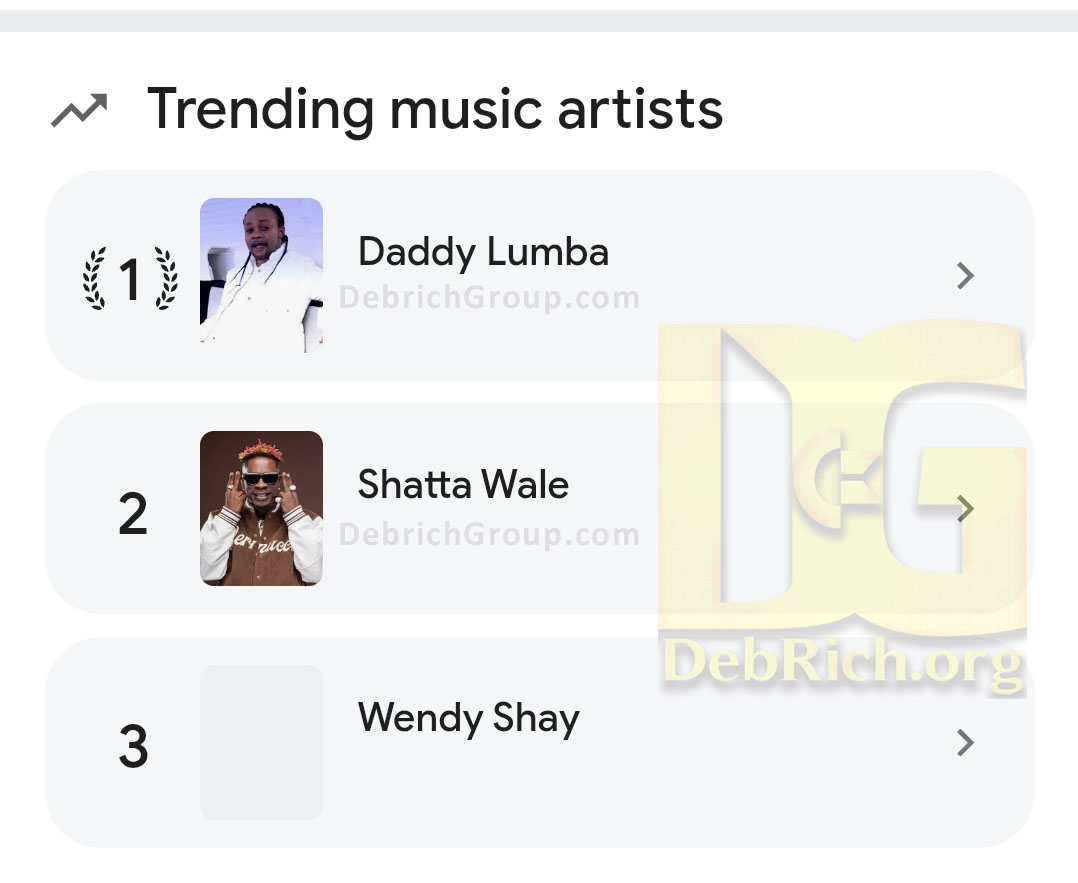
In today’s Google Trends chart, Daddy Lumba sits at rank #1 posthumously, but it’s Shatta Wale who commands attention with his resilience. Even in a week of national mourning, Wale’s steady position at #2 showcases his unparalleled connection with fans and his unrelenting visibility online.
As of July 26, 2025, Shatta Wale is trending at #2, reaffirming his relevance and power in Ghanaian pop culture according to DebrichGroup.com.
Unsurprisingly, Shatta Wale is at the center of it, even though Lumba’s death has captured Ghanaian’s attention.
After dominating Google Music Trends as the most searched artist in Ghana for most of the past two weeks, Shatta Wale now ranks #2, following the passing of highlife legend Daddy Lumba on Saturday, July 26, 2025. Ghanaian megastar lady, Wendy Shay holds the third spot.
DebrichGroup.com Editor can confirm that, even with Daddy Lumba’s trending surge driven by national mourning, Shatta Wale’s continued visibility proves his unshakable grip on Ghana’s cultural radar.
Google Trending Music Artists in Ghana
Shatta Wale’s Trending Timeline: The Breakdown
Two Weeks Ago: Ranked consistently in the Top 3 trending artists in Ghana.
Last Week: Reached the #1 spot, beating out other top artists like, Sarkodie, Burna Boy, Stonebwoy, Black Sherif, and King Paluta.
Today (July 26, 2025): Sits comfortably at #2, only behind Daddy Lumba whose death has sparked widespread online searches and tributes.
Shatta Wale’s name trending online is nothing new — but what’s keeping him so dominant in this digital era?.
Why Shatta Wale Keeps Trending Week After Week
1. Musical Output That Never Slows Down
From street bangers like “Your Mother” to major releases like “Commando”, Shatta Wale keeps the music coming. His recent live performances, including the President’s Cup concert, have also given fans more reasons to talk — and search.
2. Viral Crossover With Gospel Star QueenLet
In April 2025, QueenLet, the rising Soakat gospel singer and Sing-a-thon star, posted a TikTok featuring Shatta Wale and Nigerian artist Peller. Shatta Wale’s comment — “THANK YOU OSOFO MAAME” — added humor, humility, and a touch of spirituality. It instantly went viral, bringing in cross-genre conversations that kept both names trending.
3. Internet-Savvy, Culture-Smart
Shatta Wale doesn’t just release music — he crafts moments. Whether it’s uplifting local influencers like the Buzstop Boys, clapping back at critics, or engaging with gospel fans, Wale stays relevant by knowing what Ghanaian audiences want to hear — both online and off.
Should Shatta Wale Be Nominated for GH Awards 2025?
Absolutely, Shatta Wale’s presence in the digital space, musical influence, and viral resonance all make a strong case for multiple nominations at the upcoming Ghana General Awards 2025 (GH Awards 2025).
He deserves nominations for:
Artist of the Year
Song of the Year (“Commando” or “Your Mother”)
Best Performer
Most Influential Artist
Viral Moment of the Year (for the QueenLet TikTok comment)
His consistency, cross-genre presence, and engagement with both the youth and gospel audiences place him in a unique category — not just a performer, but a pop-cultural force.
While Daddy Lumba’s passing has rightfully captured the nation’s attention, Shatta Wale’s consistent Google Trends presence proves he’s still one of Ghana’s biggest forces in music — both digitally and artistically.
He’s not just trending — he’s staying. Whether he’s number one or number two, Shatta Wale continues to shape the sound, spirit, and search results of Ghana.
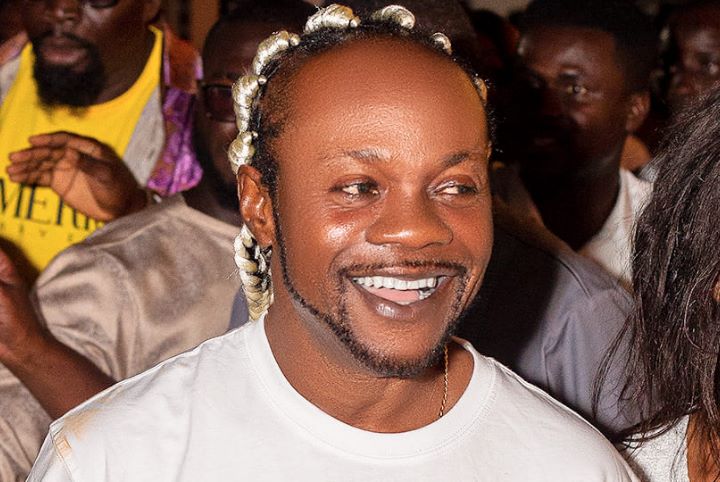
Daddy Lumba, Daddy Lumba is dead, Daddy Lumba Biography
“Yentie Obiaa”—we won’t listen to anyone. It was more than a phrase; it was a movement. And Daddy Lumba was its prophet. Few artists ever capture the soul of a people the way he did.
According to DebrichGroup.com, with a career marked by reinvention, controversy, and unmatched talent, Lumba didn’t just make music—he created history.
This tribute peels back the curtain on his complex personal life, storied career, and how one man came to define the rhythm of Ghana.
Daddy Lumba’s Early Life & Family
Daddy Lumba’s Birth name: Charles Kwadwo Fosuh, born 29 September 1964 in Nsuta, Sekyere Central District, Ashanti Region, Ghana.
Daddy Lumba’s Father: Owoahene Kwadwo Fosuh, a teacher—died when Lumba was young.
Daddy Lumba’s Mother: Comfort Gyamfi (known as Ama Saah), also a teacher; she passed away in 2001 in Kumasi.
He was raised partly in Nsuta/Mampong and is widely considered an only child, though sources mention a half‑brother, Nana Acheampong (Ernest).
Daddy Lumba’s Education & Musical Beginnings
Attended Juaben Senior High School (1983–1985), where he served as choir leader and formed the first Lumba Brothers group with schoolmates Yaw, Kwabena and his girlfriend Theresa Abebrese.
After secondary school, he traveled to Germany, aided by Theresa, where he met Nana Acheampong who introduced him to highlife music, shifting from gospel roots.
Daddy Lumba’s Personal Life & Children
First married Theresa Abebrese in Germany around 1989; they reportedly had four children before divorcing circa 1999.
Later married Akosua Serwaa, who produced much of his early work; together they have nine children. Altogether, Daddy Lumba is said to father 13 children (seven sons, six daughters), including children in Ghana and Germany.
Daddy Lumba’s Music Career & Major Works
Began his career in the late 1980s: debut album Yɛɛyɛ Aka Akwantuo Mu (1989), co-founded with Nana Acheampong as the Lumba Brothers.
As a solo artist, he released over 33 albums including Obi Ate Meso Bo (1990), Sika Asem (1991), Playboy (1992), Biribi Gyegye Wo (1992), Aben Wo Ha (1998), Woho Kyere (1999), Tokrom (2006), Awoso (2014) and Enko Den (2016).
His music style blends traditional highlife with modern instrumentation; known for both romantic ballads and more provocative, socially reflective songs.
Daddy Lumba’s Hit Songs & Impact of His Music
“Aben Wo Ha” (1998): controversial due to suggestive lyrics but wildly popular, winning Song of the Year at Ghana Music Awards in 2000.
“Yentie Obiaa” (from Awoso album, 2014): phrase meaning “we won’t listen to anyone,” became iconic when played publicly during political and cultural events.
“Mpempem Do Me“: fan-favourite, performed famously for Prince Charles and Camilla in 2018; in March 2025 included on King Charles III’s playlist for Commonwealth Day.
Other classics: Theresa, Sika Asem, Tokrom, Obi Ate Me So Buo, Ebi se ɛyɛ aduro.
In December 2022 released “Ofon Na Edi Asem Fo”, his first new single since 2017, produced entirely by himself and longtime collaborator Kweku Mensah.
Daddy Lumba’s Recognition & Legacy
Won multiple Ghana Music Awards, including Artist of the Year, Best Album, Most Popular Song (notably in 1999 and early 2000s).
In 2018, awarded Icon/Legend of Entertainment at EMY Awards
Credited with mentoring and launching the career of several Ghanaian musicians, including Ofori Amponsah (notably through the Woho Kyere album in 1999).
In September 2022, launched his own radio station DLFM 106.9 MHz broadcasting in Akan (Twi) in Accra.
Daddy Lumba’s Death & Cause
On Saturday, 26 July 2025, Daddy Lumba passed away at the age of 60 (some reports cite 61) after a short illness, at the Bank Hospital in Accra, in the early hours of that day.
The Fosu family released an official statement mourning his death and requested privacy, saying funeral arrangements will be announced later.
Daddy Lumba’s Life Story Summary Timeline
Year / Age
Milestone
1964
Born 29 Sep in Nsuta, Ghana
1983–85
Led choir at Juaben SHS; formed Lumba Brothers group
1989
Debut album Yɛɛyɛ Aka Akwantuo Mu, launched solo career
1990s
Series of hit albums: Obi Ate Meso Bo, Sika Asem, Playboy, Aben Wo Ha, Woho Kyere
1999–2003
Multi‑award wins at Ghana Music Awards
2000s–2010s
Released Tokrom, Awoso, Enko Den, and Yentie Obiaa single
2018
ICON award at EMY Awards; performed for Prince Charles
2022
Launched DLFM radio station; released Ofon Na Edi Asem Fo
26 Jul 2025
Passed away in Accra after short illness
Finally, DebrichGroup.com Editor on the view that, Daddy Lumba’s profound influence on the highlife genre and Ghanaian music culture is undeniable.
His melodic storytelling, versatility between spiritual and secular themes, and enduring hits have cemented him as a cultural icon whose legacy will resonate for generations.
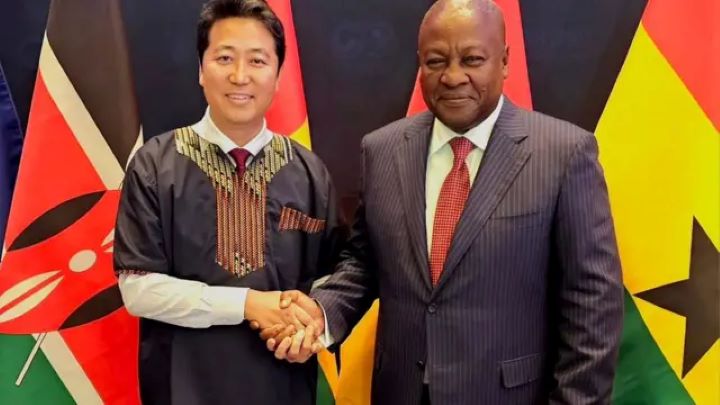
Ghanaian Ambassador Kojo Choi, alternatively known as Atta Kojo Choi represents a new generation of non-traditional public servants—those whose contributions come more from the private sector and cultural diplomacy than political corridors.
While Kojo Choi appointment as “Ambassador” stirred initial unease due to lack of visibility in mainstream political circles, his skills, loyalty, and lived experience make him a fitting emissary in an increasingly complex global diplomatic landscape.
According to DebrichGroup.com analyst, as Ghana strengthens its ties with South Korea—an innovation powerhouse and growing investor in Africa—Kojo Choi’s appointment may yet prove to be a strategic masterstroke.
Kojo Choi’s Appointment Sparks Debate & Who Is He Really?
The appointment of Kojo Choi as Ghana’s Ambassador-designate to South Korea by President John Dramani Mahama has ignited both praise and skepticism on social media.
While some applaud his unique position to bridge the two nations, others question the decision’s transparency and the public’s unfamiliarity with him. But who is Kojo Choi — and what qualifies him for such a critical diplomatic role?
Moved to Ghana: At age 14, around 1992 when his father, a missionary, relocated the family.
Citizen: Naturalized Ghanaian citizen, with over three decades of residence.
Kojo Choi’s Quote 1: “Ghana may not be my birthplace, but it is my true home… I’m proud to be called Ghanaian.” ~ Kojo Choi.
Kojo Choi’ Quote 2: In an act of acknowledgment to Ghana’s first president, Dr Kwame Nkrumah, Kojo Choi has emphasized his deep-rooted affinity for Ghana, stating, “I am not African because I was born in Africa, but because Africa was born in me.” ~ Dr. Kwame Nkrumah.
Education
Studied at a some schools or university in Ghana (name not disclosed publicly).
Grew up and built his adult life entirely in Ghana, experiencing every Ghanaian election under the 1992 Constitution.
Career & Accomplishments
Entrepreneur & Business Leader
Former CEO of PaySwitch Company Ltd, a Ghanaian third-party payment processor integrating Visa, MasterCard, UnionPay, and mobile money platforms.
Over 20 years’ experience in West African business and consulting.
Previously worked as a consulting advisor to the Korean Embassy in Ghana and other multinational organizations.
Cultural Advocate
Founder of Art Africa, an organization aimed at supporting Ghanaian and African artists and promoting cultural exchange across continents
Diplomatic Experience & Relevance
Bicultural fluency — born Korean, living Ghanaian — gives him rare insight into both Ghanaian and Korean cultures, societies, and business ecosystems
Regarded as an effective bridge figure in advancing bilateral cooperation between Ghana and South Korea in trade, culture, and technology
Kojo Choi Political Affiliation & Religion
Political Affiliation: No known partisan ties; not previously known as a member or official of any political party
His appointment does not appear to stem from party favoritism but rather technical merit and cultural-diplomatic value
Religion: Undisclosed, but public expressions reference Christian values and gratitude to “the good Lord”
Kojo Choi Personal Life And Family
Marital Status & Children: Kojo Choi is married with three children, two boys and one girl according to available sources provided by DebrichGroup.com analyst.
Describes himself as committed to Ghana as his home and emotionally grounded in the country’s democratic development and growth.
Kojo Choi was born in Chuncheon, the capital city of Gangwon Province, South Korea. To the north, rugged Obongsan Mountain is home to the Buddhist Cheongpyeongsa Temple.
Kojo then moved to Ghana in 1992 when his father, a missionary, who relocated the family.
His upbringing in Ghana laid the foundation for his entrepreneurial journey, beginning with the introduction of Korean digital printing technology to the local market.
Why Did President John Mahama Appoint Kojo Choi?
President John Mahama’s administration, inaugurated again in 2025, appointed Kojo Choi alongside 14 other new ambassadors. The choice of Choi, though surprising to some, appears motivated by:
Deep understanding of both Ghanaian and Korean cultures
Decades of experience in commerce, diplomacy, and private sector innovation
Proven track record as a consultant to diplomatic missions and global businesses
Personal loyalty to Ghana, expressed in his refusal to “chase greener pastures abroad”
“I could have left to the US or to Korea… but I chose to stay… I’ve never looked back.” — Kojo Choi
This appointment is emblematic of Mahama’s vision to integrate technocratic and globally connected individuals into Ghana’s foreign service, especially in key economic partner nations like South Korea.
The Social Media Controversy
After the appointment was announced, a wave of online posts expressed confusion and skepticism:
Some questioned if he’s “Ghanaian”
Others suggested the public had not been introduced to him prior to the appointment
However, after Kojo Choi shared a personal statement reflecting on his 33 years in Ghana and deep patriotic convictions, many users softened their views — seeing him as a quiet but impactful figure who has long chosen Ghana over more lucrative international options.