
24.8 C
Kumasi
Wednesday 28 January, 2026
Odehyieba.com
Home Blog Page 3

Ghana Gold For Oil Losses GH¢2.14 Billion – BoG Report and Cedi Stability Explained

Ghana Gold For Oil, Bank of Ghana, Gold for Oil incurred losses

The Bank of Ghana (BoG) confirmed that the much-publicized Gold For Oil (G4O) initiative launched to stabilize the local currency and reduce fuel prices has incurred a staggering GH¢2.14 billion loss.

Despite this fiscal setback, DebrichGroup.com can confirm that, the cedi is now one of the world’s best-performing currencies in 2025. This article dives into what went wrong with the G4O programme, the underlying causes of the losses, and why the Ghanaian cedi is gaining strength today.

What Was the Gold For Oil Programme?

Introduced in January 2023, Ghana’s Gold For Oil (G4O) policy allowed the Bank of Ghana to purchase gold from local miners and use it to secure petroleum products instead of spending scarce US dollars.

The goal was to ease forex pressure, lower fuel prices, and stabilize the Ghanaian cedi, all amid a global economic crunch and local inflation spikes.

BoG Confirms GH¢2.14 Billion in Total Losses

In July 2025, the BoG officially reported that G4O had resulted in GH¢2.14 billion in financial losses across two fiscal years:

  • GH¢320 million in 2023
  • GH¢1.82 billion in 2024

These losses were mainly caused by exchange rate differences and declining oil prices that left the central bank with overpriced petroleum stockpiles. The Bank also cited misaligned pricing between local gold purchases and international conversion rates.

Why Did the Programme Fail Financially?

Several critical factors contributed to the heavy losses under G4O:

  • Exchange Rate Mismatches: BoG paid more for gold in cedis than what the international market offered, creating conversion losses.
  • Oil Price Volatility: Petroleum was purchased when global prices were high, but market corrections caused Ghana to sell at lower margins.
  • Operational Delays: Mismatched timelines between gold procurement and fuel deliveries disrupted cash flow and market value.

Despite these issues, the BoG argued that G4O achieved some positive side effects.

The Positive Outcomes: Lower Fuel Costs and FX Demand

While the programme lost money, it did help reduce the need for USD in petroleum imports by about $1.66 billion over 18 months. Additionally:

Fuel market competition increased, causing premiums on imported fuel to drop significantly.

Interbank forex pressure eased, temporarily stabilizing the exchange rate during a volatile period.

Pump prices became more predictable, supporting consumers and small businesses.

What Was the Impact on the Ghanaian Cedi?

Between 2022 and 2024:

The Ghana cedi depreciated rapidly, hitting lows of GH¢16.4 to the dollar by late 2024. This was largely due to:

  • High inflation (peaking at over 50%)
  • Low forex reserves
  • Debt service stress

In 2025: Sharp Rebound

From early 2025 onward, the cedi appreciated strongly, reaching GH¢10/USD by June 2025, thanks to:

  1. Tight BoG monetary policy (interest rate at 28%)
  2. Debt restructuring and IMF support (over $600M in new funding)
  3. Gold accumulation policy (reserves grew from 8.7 to over 30 tonnes)
  4. Stronger fiscal discipline and reduced imports

Experts agree that while G4O played a minor supporting role, the real drivers were structural reforms and increased macroeconomic credibility.

Summary of Ghana’s Gold-for-Oil Key Figures

Category Details
G4O Losses GH¢2.14 billion (GH¢320M in 2023, GH¢1.82B in 2024)
FX Savings $1.66 billion in reduced USD demand
Fuel Premiums Fell from $150–170/tonne to $50–80/tonne
Cedi Performance GH¢16.4/USD in Nov 2024 → GH¢10/USD in July 2025
Main Cedi Recovery Drivers IMF reforms, gold reserves, tight monetary policy


Finally, Ghana’s Gold-for-Oil experiment was bold but ultimately financially unsustainable. It delivered short-term forex relief and helped ease fuel price pressures, but poor timing, weak hedging, and market volatility led to heavy central bank losses.

The recovery of the cedi in 2025 has more to do with debt restructuring, policy credibility, and reserves management than with the G4O programme itself. As Ghana looks ahead, the lesson is clear: structural reforms outperform quick fixes in the long run.

Baba Yara, Abedi, Essien & Opare: Ghanaian Football Legends Whose Careers Were Ruined by Injuries

Abedi Ayew Pelé, Michael Essien, Baba Yara, Daniel Opare

Ghana, a powerhouse in African football, has produced a pantheon of stars who have illuminated the sport at club and national levels. While many fulfilled their promise, others saw their careers tragically curtailed by injury.

In this article, DebrichGroup.com team will delve into the lives and careers of four of Ghana’s brightest footballing talents whose trajectories were dramatically altered—if not ended—by serious injuries: Baba Yara, Michael Essien, Abedi Ayew Pelé (partial consideration), and Daniel Opare.


1. Baba Yara: The Tragic Pioneer

Position: Winger
Clubs: Kumasi Asante Kotoko, Ghana national team
Active Years: 1955–1963

Career Overview

Baba Yara is considered one of the greatest footballers in Ghana’s history. Born in 1936, he began as a horse jockey before shifting to football. He quickly rose through the ranks, dazzling fans with his speed, vision, and technique on the flanks.

Yara was a central figure in the early dominance of Kumasi Asante Kotoko and played a vital role in Ghana’s national team during the formative years of the Black Stars.

He earned the nickname “King of Wingers”, helping Ghana win multiple international friendlies and regional tournaments. His performances at the 1960 Olympic Games in Rome brought him continental fame.

The Injury

Yara’s career came to a devastating halt in March 1963 when he was involved in a car accident while traveling with Kotoko for a league match. The crash left him paralyzed from the waist down.

Despite efforts to treat him—including being flown to England for medical care—he never walked again. He died in 1969 at just 33 years old.

Legacy

Kumasi’s main stadium, the Baba Yara Sports Stadium, is named in his honor.

He is remembered as the first great Ghanaian footballer whose brilliance was cut short just as Ghana was rising as a force in global football.

2. Michael Essien: The Powerhouse Who Lost His Prime

Position: Central Midfielder
Clubs: Bastia, Lyon, Chelsea, Real Madrid (loan), AC Milan, Panathinaikos, others
Active Years: 1999–2020

Career Overview

Michael Essien, affectionately known as “The Bison”, was one of the most complete midfielders of his generation. He rose to prominence at Lyon, earning a big-money move to Chelsea in 2005, where he became a key player under José Mourinho.

He was known for his:

  • Tenacious tackling
  • Engine and stamina
  • Long-range goals (notably against Arsenal and Barcelona)
  • Versatility across midfield and defense

Essien was also a vital cog in Ghana’s national team, helping the Black Stars qualify for their first World Cup in 2006.

The Injuries

Essien’s downfall began with a cruciate ligament injury while on international duty in September 2008. After recovering, he suffered another serious knee injury in 2010, causing him to miss Ghana’s historic run to the quarterfinals in the 2010 World Cup.

Between 2008 and 2012, he had at least three major knee surgeries, each robbing him of pace, confidence, and stamina. He was never quite the same after returning.

Impact on Career

From being one of Chelsea’s key players, he became a rotational figure.

His move to Real Madrid in 2012 (on loan) was partly Mourinho’s effort to revive his career, but he never recaptured his former dominance.

Essien’s last major tournament for Ghana was AFCON 2015, but by then he was already on the periphery.

Legacy

Despite the injuries, Essien remains a legend in both Ghana and Chelsea lore. However, there is a consensus that injuries robbed him of five peak years, potentially costing him a Ballon d’Or nomination and a longer elite-level career.

3. Daniel Opare: The Wonderkid Who Never Bloomed

Position: Right-back
Clubs: Real Madrid Castilla, Standard Liège, FC Porto, Augsburg, Lens
Active Years: 2007–present (as of 2024, semi-active)

Career Overview

Daniel Opare made headlines after an outstanding performance at the 2007 FIFA U-17 World Cup, where he was rated by World Soccer magazine as one of the tournament’s breakout stars. Known for his speed, pinpoint crossing, and stamina, Opare was compared to Brazil’s Dani Alves in terms of potential.

His performances earned him a move to Real Madrid Castilla at just 17.

Injury Struggles

Opare’s promising trajectory was disrupted by recurring muscular and ankle injuries, particularly during his time in Portugal and Germany. These injuries stunted his development during the crucial years of transition into senior football.

While he managed to resurrect his career at Augsburg and made Ghana’s squad for the 2014 FIFA World Cup, he never quite matched his early potential.

Legacy

A cautionary tale of how early talent and potential can be thwarted by physical setbacks.

Despite continuing to play professionally, Opare never became the world-class defender many predicted.

4. Abedi Ayew Pelé: The One Who Escaped—but Just Barely

Position: Attacking Midfielder / Winger
Clubs: Marseille, Lille, Lyon, Torino, Al Ain
Active Years: 1980s–2000

Why Include Abedi?

Though Abedi Pele had a long and decorated career, including:

  • Winning the 1993 UEFA Champions League with Marseille
  • Captaining Ghana
  • Three-time African Footballer of the Year

He was plagued by persistent hamstring and groin injuries, especially in the early and mid-1990s. These injuries kept him out of the 1992 AFCON final, where Ghana lost on penalties to Ivory Coast.

He missed other tournaments and matches that could have elevated his profile even more globally.

What Was Lost

Speculation exists that without injuries, he could have had a longer career at the top level in Europe.

Abedi was already a global star, but his potential to win individual accolades (e.g., FIFA World Player of the Year shortlist) may have been hampered.

Finally, the history of Ghanaian football is as much about triumph as it is about tragedy. Baba Yara’s life-changing crash, Michael Essien’s cruel knee injuries, Daniel Opare’s derailed promise, and Abedi Pele’s missed moments all serve as reminders of football’s fragility.

Each of these men had the talent to reach even greater heights—but fate, in the form of injury, intervened. Their stories are not just cautionary tales but also tributes to resilience, sacrifice, and the often-overlooked physical toll of elite sport.

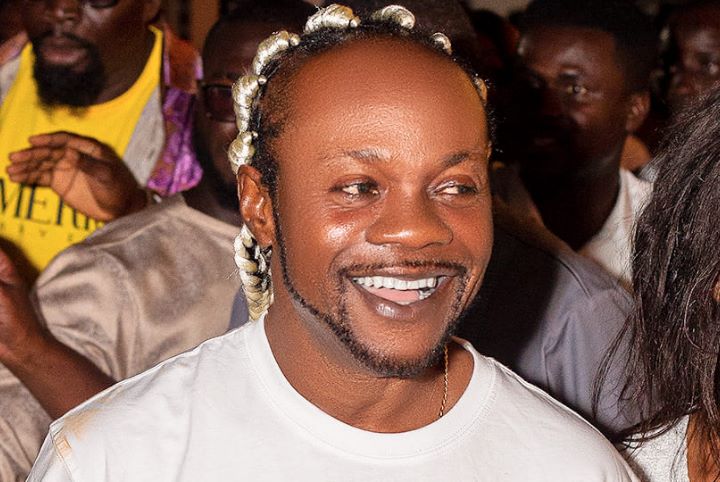
Daddy Lumba Tops Google Trends After Death, Shatta Wale Close Behind at #2 (Audio)

Daddy Lumba, Shatta Wale, Google Trending Music Artists

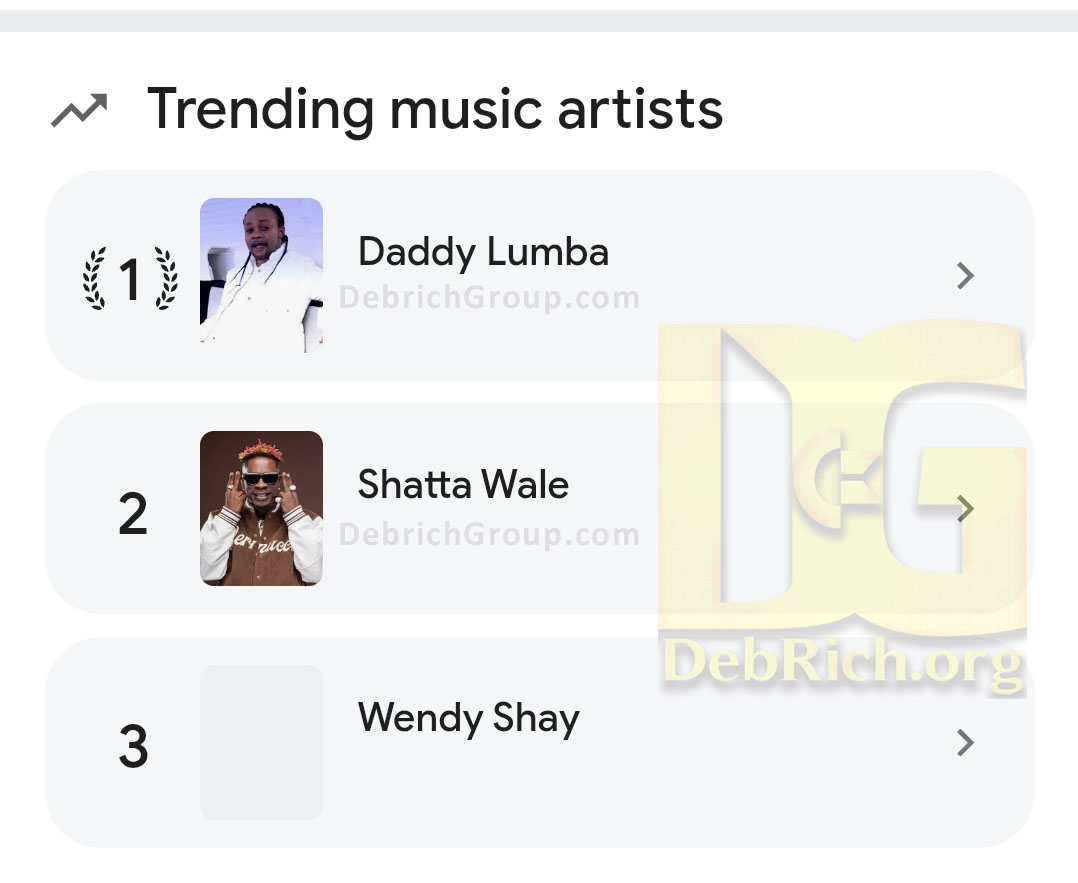
In today’s Google Trends chart, Daddy Lumba sits at rank #1 posthumously, but it’s Shatta Wale who commands attention with his resilience. Even in a week of national mourning, Wale’s steady position at #2 showcases his unparalleled connection with fans and his unrelenting visibility online.

As of July 26, 2025, Shatta Wale is trending at #2, reaffirming his relevance and power in Ghanaian pop culture according to DebrichGroup.com.

Unsurprisingly, Shatta Wale is at the center of it, even though Lumba’s death has captured Ghanaian’s attention.

After dominating Google Music Trends as the most searched artist in Ghana for most of the past two weeks, Shatta Wale now ranks #2, following the passing of highlife legend Daddy Lumba on Saturday, July 26, 2025. Ghanaian megastar lady, Wendy Shay holds the third spot.

DebrichGroup.com Editor can confirm that, even with Daddy Lumba’s trending surge driven by national mourning, Shatta Wale’s continued visibility proves his unshakable grip on Ghana’s cultural radar.

Google Trending Music Artists in Ghana

Shatta Wale’s Trending Timeline: The Breakdown

Two Weeks Ago: Ranked consistently in the Top 3 trending artists in Ghana.

Last Week: Reached the #1 spot, beating out other top artists like, Sarkodie, Burna Boy, Stonebwoy, Black Sherif, and King Paluta.

Today (July 26, 2025): Sits comfortably at #2, only behind Daddy Lumba whose death has sparked widespread online searches and tributes.

Shatta Wale’s name trending online is nothing new — but what’s keeping him so dominant in this digital era?.

Why Shatta Wale Keeps Trending Week After Week

1. Musical Output That Never Slows Down

From street bangers like “Your Mother” to major releases like “Commando”, Shatta Wale keeps the music coming. His recent live performances, including the President’s Cup concert, have also given fans more reasons to talk — and search.

2. Viral Crossover With Gospel Star QueenLet

In April 2025, QueenLet, the rising Soakat gospel singer and Sing-a-thon star, posted a TikTok featuring Shatta Wale and Nigerian artist Peller. Shatta Wale’s comment — “THANK YOU OSOFO MAAME” — added humor, humility, and a touch of spirituality. It instantly went viral, bringing in cross-genre conversations that kept both names trending.

3. Internet-Savvy, Culture-Smart

Shatta Wale doesn’t just release music — he crafts moments. Whether it’s uplifting local influencers like the Buzstop Boys, clapping back at critics, or engaging with gospel fans, Wale stays relevant by knowing what Ghanaian audiences want to hear — both online and off.

Should Shatta Wale Be Nominated for GH Awards 2025?

Absolutely, Shatta Wale’s presence in the digital space, musical influence, and viral resonance all make a strong case for multiple nominations at the upcoming Ghana General Awards 2025 (GH Awards 2025).

He deserves nominations for:

  • Artist of the Year
  • Song of the Year (“Commando” or “Your Mother”)
  • Best Performer
  • Most Influential Artist
  • Viral Moment of the Year (for the QueenLet TikTok comment)

His consistency, cross-genre presence, and engagement with both the youth and gospel audiences place him in a unique category — not just a performer, but a pop-cultural force.

While Daddy Lumba’s passing has rightfully captured the nation’s attention, Shatta Wale’s consistent Google Trends presence proves he’s still one of Ghana’s biggest forces in music — both digitally and artistically.

He’s not just trending — he’s staying. Whether he’s number one or number two, Shatta Wale continues to shape the sound, spirit, and search results of Ghana.

Death of Daddy Lumba & Lumba’s Biography: Early Life, Age, Family, Education, Career, 13 Children, Legacy of Daddy Lumba

Daddy Lumba, Daddy Lumba is dead, Daddy Lumba Biography

“Yentie Obiaa”—we won’t listen to anyone. It was more than a phrase; it was a movement. And Daddy Lumba was its prophet. Few artists ever capture the soul of a people the way he did.

According to DebrichGroup.com, with a career marked by reinvention, controversy, and unmatched talent, Lumba didn’t just make music—he created history.

This tribute peels back the curtain on his complex personal life, storied career, and how one man came to define the rhythm of Ghana.

Daddy Lumba’s Early Life & Family

Daddy Lumba’s Birth name: Charles Kwadwo Fosuh, born 29 September 1964 in Nsuta, Sekyere Central District, Ashanti Region, Ghana.

Daddy Lumba’s Father: Owoahene Kwadwo Fosuh, a teacher—died when Lumba was young.

Daddy Lumba’s Mother: Comfort Gyamfi (known as Ama Saah), also a teacher; she passed away in 2001 in Kumasi.

He was raised partly in Nsuta/Mampong and is widely considered an only child, though sources mention a half‑brother, Nana Acheampong (Ernest).

Daddy Lumba’s Education & Musical Beginnings

Attended Juaben Senior High School (1983–1985), where he served as choir leader and formed the first Lumba Brothers group with schoolmates Yaw, Kwabena and his girlfriend Theresa Abebrese.

After secondary school, he traveled to Germany, aided by Theresa, where he met Nana Acheampong who introduced him to highlife music, shifting from gospel roots.

Daddy Lumba’s Personal Life & Children

First married Theresa Abebrese in Germany around 1989; they reportedly had four children before divorcing circa 1999.

Later married Akosua Serwaa, who produced much of his early work; together they have nine children. Altogether, Daddy Lumba is said to father 13 children (seven sons, six daughters), including children in Ghana and Germany.

Daddy Lumba’s Music Career & Major Works

Began his career in the late 1980s: debut album Yɛɛyɛ Aka Akwantuo Mu (1989), co-founded with Nana Acheampong as the Lumba Brothers.

As a solo artist, he released over 33 albums including Obi Ate Meso Bo (1990), Sika Asem (1991), Playboy (1992), Biribi Gyegye Wo (1992), Aben Wo Ha (1998), Woho Kyere (1999), Tokrom (2006), Awoso (2014) and Enko Den (2016).

His music style blends traditional highlife with modern instrumentation; known for both romantic ballads and more provocative, socially reflective songs.

Daddy Lumba’s Hit Songs & Impact of His Music

Aben Wo Ha” (1998): controversial due to suggestive lyrics but wildly popular, winning Song of the Year at Ghana Music Awards in 2000.

Yentie Obiaa” (from Awoso album, 2014): phrase meaning “we won’t listen to anyone,” became iconic when played publicly during political and cultural events.

Mpempem Do Me“: fan-favourite, performed famously for Prince Charles and Camilla in 2018; in March 2025 included on King Charles III’s playlist for Commonwealth Day.

Other classics: Theresa, Sika Asem, Tokrom, Obi Ate Me So Buo, Ebi se ɛyɛ aduro.

In December 2022 released “Ofon Na Edi Asem Fo”, his first new single since 2017, produced entirely by himself and longtime collaborator Kweku Mensah.

Daddy Lumba’s Recognition & Legacy

Won multiple Ghana Music Awards, including Artist of the Year, Best Album, Most Popular Song (notably in 1999 and early 2000s).

In 2018, awarded Icon/Legend of Entertainment at EMY Awards

Credited with mentoring and launching the career of several Ghanaian musicians, including Ofori Amponsah (notably through the Woho Kyere album in 1999).

In September 2022, launched his own radio station DLFM 106.9 MHz broadcasting in Akan (Twi) in Accra.

Daddy Lumba’s Death & Cause

On Saturday, 26 July 2025, Daddy Lumba passed away at the age of 60 (some reports cite 61) after a short illness, at the Bank Hospital in Accra, in the early hours of that day.

The Fosu family released an official statement mourning his death and requested privacy, saying funeral arrangements will be announced later.

Daddy Lumba’s Life Story Summary Timeline

Year / Age Milestone
1964 Born 29 Sep in Nsuta, Ghana
1983–85 Led choir at Juaben SHS; formed Lumba Brothers group
1989 Debut album Yɛɛyɛ Aka Akwantuo Mu, launched solo career
1990s Series of hit albums: Obi Ate Meso Bo, Sika Asem, Playboy, Aben Wo Ha, Woho Kyere
1999–2003 Multi‑award wins at Ghana Music Awards
2000s–2010s Released Tokrom, Awoso, Enko Den, and Yentie Obiaa single
2018 ICON award at EMY Awards; performed for Prince Charles
2022 Launched DLFM radio station; released Ofon Na Edi Asem Fo
26 Jul 2025 Passed away in Accra after short illness


Finally, DebrichGroup.com Editor on the view that, Daddy Lumba’s profound influence on the highlife genre and Ghanaian music culture is undeniable.

His melodic storytelling, versatility between spiritual and secular themes, and enduring hits have cemented him as a cultural icon whose legacy will resonate for generations.

Biography of Ambassador Kojo Choi: Aga, Family, Education, Nationality, Career, Father & Why President Mahama Appointed Kojo Choi

Kojo Choi, Ghana President, John Dramani Mahama

Ghanaian Ambassador Kojo Choi, alternatively known as Atta Kojo Choi represents a new generation of non-traditional public servants—those whose contributions come more from the private sector and cultural diplomacy than political corridors.

While Kojo Choi appointment as “Ambassador” stirred initial unease due to lack of visibility in mainstream political circles, his skills, loyalty, and lived experience make him a fitting emissary in an increasingly complex global diplomatic landscape.

According to DebrichGroup.com analyst, as Ghana strengthens its ties with South Korea—an innovation powerhouse and growing investor in Africa—Kojo Choi’s appointment may yet prove to be a strategic masterstroke.

Kojo Choi’s Appointment Sparks Debate & Who Is He Really?

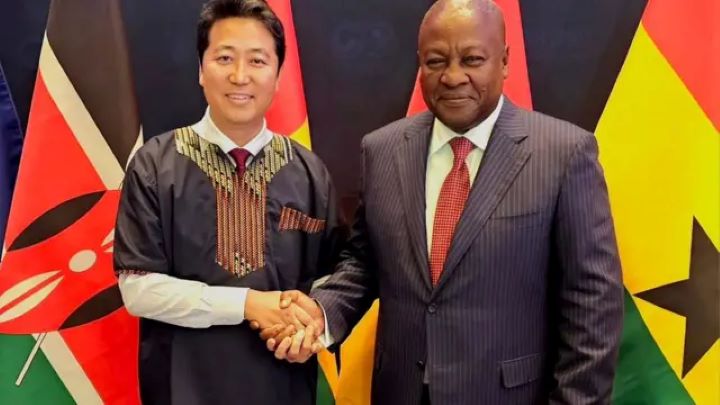
The appointment of Kojo Choi as Ghana’s Ambassador-designate to South Korea by President John Dramani Mahama has ignited both praise and skepticism on social media.

While some applaud his unique position to bridge the two nations, others question the decision’s transparency and the public’s unfamiliarity with him. But who is Kojo Choi — and what qualifies him for such a critical diplomatic role?

Kojo Choi Detailed Biography, Nationality & Background

  • Age: 47 years old (as of 2025)
  • Born: 1978 in South Korea
  • Birth Place: Chuncheon, South Korea
  • Birth Name: Choi Seung-up
  • Ghanaian Name: Kojo or Atta Kojo
  • Moved to Ghana: At age 14, around 1992 when his father, a missionary, relocated the family.
  • Citizen: Naturalized Ghanaian citizen, with over three decades of residence.
  • Kojo Choi’s Quote 1: “Ghana may not be my birthplace, but it is my true home… I’m proud to be called Ghanaian.” ~ Kojo Choi.
  • Kojo Choi’ Quote 2: In an act of acknowledgment to Ghana’s first president, Dr Kwame Nkrumah, Kojo Choi has emphasized his deep-rooted affinity for Ghana, stating, “I am not African because I was born in Africa, but because Africa was born in me.” ~ Dr. Kwame Nkrumah.

Education

Studied at a some schools or university in Ghana (name not disclosed publicly).

Grew up and built his adult life entirely in Ghana, experiencing every Ghanaian election under the 1992 Constitution.

Career & Accomplishments

Entrepreneur & Business Leader

Former CEO of PaySwitch Company Ltd, a Ghanaian third-party payment processor integrating Visa, MasterCard, UnionPay, and mobile money platforms.

Over 20 years’ experience in West African business and consulting.

Previously worked as a consulting advisor to the Korean Embassy in Ghana and other multinational organizations.

Cultural Advocate

Founder of Art Africa, an organization aimed at supporting Ghanaian and African artists and promoting cultural exchange across continents

Diplomatic Experience & Relevance

Bicultural fluency — born Korean, living Ghanaian — gives him rare insight into both Ghanaian and Korean cultures, societies, and business ecosystems

Regarded as an effective bridge figure in advancing bilateral cooperation between Ghana and South Korea in trade, culture, and technology

Kojo Choi Political Affiliation & Religion

Political Affiliation: No known partisan ties; not previously known as a member or official of any political party

His appointment does not appear to stem from party favoritism but rather technical merit and cultural-diplomatic value

Religion: Undisclosed, but public expressions reference Christian values and gratitude to “the good Lord”

Kojo Choi Personal Life And Family

Marital Status & Children: Kojo Choi is married with three children, two boys and one girl according to available sources provided by DebrichGroup.com analyst.

Describes himself as committed to Ghana as his home and emotionally grounded in the country’s democratic development and growth.

Kojo Choi was born in Chuncheon, the capital city of Gangwon Province, South Korea. To the north, rugged Obongsan Mountain is home to the Buddhist Cheongpyeongsa Temple.

Kojo then moved to Ghana in 1992 when his father, a missionary, who relocated the family.
His upbringing in Ghana laid the foundation for his entrepreneurial journey, beginning with the introduction of Korean digital printing technology to the local market.

Why Did President John Mahama Appoint Kojo Choi?

President John Mahama’s administration, inaugurated again in 2025, appointed Kojo Choi alongside 14 other new ambassadors. The choice of Choi, though surprising to some, appears motivated by:

  • Deep understanding of both Ghanaian and Korean cultures
  • Decades of experience in commerce, diplomacy, and private sector innovation
  • Proven track record as a consultant to diplomatic missions and global businesses
  • Personal loyalty to Ghana, expressed in his refusal to “chase greener pastures abroad”

“I could have left to the US or to Korea… but I chose to stay… I’ve never looked back.” — Kojo Choi

This appointment is emblematic of Mahama’s vision to integrate technocratic and globally connected individuals into Ghana’s foreign service, especially in key economic partner nations like South Korea.

The Social Media Controversy

After the appointment was announced, a wave of online posts expressed confusion and skepticism:

Some questioned if he’s “Ghanaian”

Others suggested the public had not been introduced to him prior to the appointment

However, after Kojo Choi shared a personal statement reflecting on his 33 years in Ghana and deep patriotic convictions, many users softened their views — seeing him as a quiet but impactful figure who has long chosen Ghana over more lucrative international options.

Justice Prevails: Supreme Court Clears Kevin Taylor in 4-1 Decision

Ghana Supreme Court Clears, Political Commentator, Kevin Taylor

After five years in legal limbo, Kevin Taylor can now breathe a sigh of relief. Ghana’s Supreme Court has ruled that the 2020 bench warrant for his arrest violated his right to a fair hearing.

The 4-1 majority decision is being hailed by civil liberties advocates as a victory for judicial accountability and the rule of law.

According to DebrichGroup.com, the controversial warrant, issued in 2020, stemmed from a contempt case filed by lawyer and politician Kennedy Agyapong.

Taylor, who operates from the United States, had been a vocal critic of several Ghanaian public figures through his digital media platform, Loud Silence Media.

In response to his online commentaries, a contempt application was brought before the court, which subsequently issued a bench warrant after Taylor allegedly failed to respond to a court summons.

Supreme Court Cites Procedural Irregularities

The Supreme Court, delivering its judgment on Tuesday, held that the warrant violated Taylor’s constitutional right to a fair hearing. The justices ruled 4-1 in favour of quashing the warrant, asserting that the processes leading up to its issuance were fundamentally flawed and denied the accused an opportunity to be heard.

Justice Gabriel Pwamang, who read the majority decision, emphasized that the court must uphold procedural fairness irrespective of the personality involved. He noted that Taylor was not properly served with the court summons and therefore could not be considered to have deliberately disrespected the court.

“The right to be heard is fundamental and cannot be sacrificed on the altar of public opinion or judicial expediency,” Justice Pwamang stated. “The issuance of the bench warrant in these circumstances was premature and unlawful.”

Taylor’s Legal Team Welcomes Ruling

Kevin Taylor’s legal representatives welcomed the judgment, describing it as a vindication of the rule of law and a rebuke of what they called a politically motivated misuse of judicial power. In a press briefing after the ruling, lead counsel Kofi Bentil said, “Today, the Supreme Court has demonstrated that justice in Ghana is not a respecter of persons or political power. Due process matters, and we are proud to see the highest court in the land uphold that principle.”

Taylor, who appeared at the court after the warrant was overturned, left the premises without making a formal statement. However, on his social media platform later in the day, he posted: “Justice has been served. The truth always wins.”

Minority Opinion Dissents

The lone dissenting opinion was delivered by Justice Henrietta Mensa-Bonsu, who argued that while due process is essential, the conduct of the accused in persistently attacking the judiciary and evading the legal process warranted a firmer response.

“In an era of digital proliferation and cross-border impunity, courts must find a balance between free expression and the sanctity of judicial authority,” she stated. “While procedural lapses occurred, the broader context of willful contempt should not be ignored.”
Broader Implications

Legal analysts say the ruling sets a significant precedent in cases involving contempt of court and due process in Ghana, especially in an age where media figures and political activists operate transnationally. The judgment is expected to influence how courts issue arrest warrants in cases involving defendants residing outside Ghana.

Professor Kwame Asare, a constitutional law expert at the University of Ghana, commented, “This is a landmark decision. It signals that even when emotions are high, and the issues are politically charged, the courts must adhere strictly to constitutional safeguards.”

Background: The 2020 Warrant

The bench warrant was originally issued by a High Court in Accra in October 2020 after Kevin Taylor failed to appear in response to a contempt application filed by Kennedy Agyapong. The basis of the contempt was Taylor’s repeated online accusations and commentary targeting judges, politicians, and other public officials.

Efforts to extradite Taylor from the U.S. never materialized, and the warrant remained dormant until human rights advocates and legal observers raised concerns over its legality. In 2024, a motion was filed at the Supreme Court challenging the constitutionality of the warrant.

Moving Forward

With the warrant now quashed, attention turns to whether any further legal actions will be pursued either by Taylor or by those who originally filed the contempt application. For now, Kevin Taylor remains a free man, and his legal standing in Ghana has been restored.

The Supreme Court’s decision is being hailed by civil society groups as a victory for constitutionalism and a warning against the misuse of judicial processes to suppress dissenting voices — even those as polarizing as Kevin Taylor.

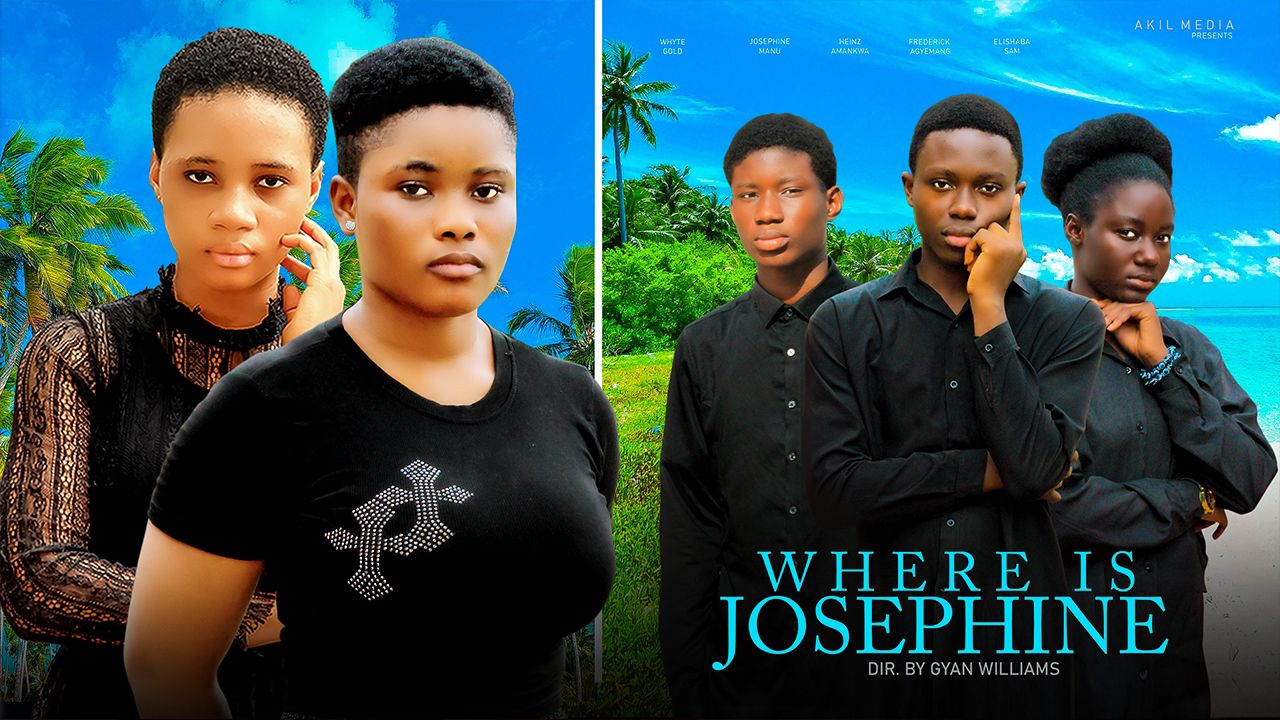
Where is Josephine – GONE? — A Heartfelt Quest Film by Akil Media (Watch Video)

Where is Josephine Gone, starring Heinz Amankwa, Frederick Agyemang, Josephine Manu, Whyte Gold, Elishaba Sam

“Where is Josephine – GONE?” is an emotional rollercoaster that delves deep into the enduring bonds of love, loyalty, betrayal, and redemption.

According to DebrichGroup.com analyst, this is more than just a tale of mystery, it is a deeply human story of loss, memory, and the extraordinary strength of friendship.

Plot Overview

The movie opens with a devastating blow: Josephine, a beloved member of a close-knit film production team, is declared dead after a tragic accident. A solemn memorial service is held, with her friends and colleagues mourning the sudden and heartbreaking loss. The team is shattered, their creative endeavors placed on hold as they grieve not just a collaborator, but a dear friend.

But just when closure seems near, the story takes an unexpected and almost miraculous turn. In a remote, forested region, an herbalist—an old man known for his healing skills—finds a woman barely clinging to life. He takes her in, nurtures her back to health with traditional medicine and care. That woman is Josephine.

A Life Forgotten

Though alive, Josephine is no longer the woman she once was. The accident that nearly claimed her life also robbed her of her memory. She cannot recall her name, her past, or even the friends who so deeply mourn her. Living under the care of the herbalist, she exists in a quiet limbo, haunted by vague dreams and emotions that seem to have no anchor.

As rumors swirl and someone reports seeing a woman resembling Josephine with a mysterious man, her friends’ hope is reignited. They begin to question everything—was her death a misunderstanding, or something more sinister?

The Shocking Truth Unfolds

The story evolves into a suspense-filled investigation. As Josephine’s friends follow leads and piece together the puzzle, they uncover a chilling truth: the accident was no accident at all. It was deliberately orchestrated by one of her own team members—someone within the production crew who saw Josephine not as a friend, but as a threat.

This twist raises the stakes dramatically. Who would want to harm Josephine? And why?

Through flashbacks and emotional revelations, we learn that jealousy and ambition played deadly roles. Josephine, a rising star in the film world, had unknowingly eclipsed the ambitions of a fellow team member. Driven by envy and fear of being overshadowed, that person engineered the accident in a desperate attempt to remove her from the spotlight. But karma has its way.

Themes and Impact

“Where is Josephine – gone?” doesn’t merely entertain—it touches the heart. At its core, the film is a poignant exploration of:

  • Friendship: The unwavering commitment of Josephine’s friends, who never stopped searching even after her ‘death’.
  • Identity and memory: Josephine’s journey of rediscovery, and how memories, even when lost, are never truly gone.
  • Betrayal: How jealousy can corrupt even the closest of circles.
  • Hope and healing: Both physical and emotional, shown through the gentle care of the herbalist and the ultimate reunion.

The film also highlights the intersection of traditional and modern worlds through the character of the herbalist—symbolizing forgotten knowledge, kindness, and the quiet power of nature and patience.

Cinematic Execution

Directed with sensitivity and vision, the movie blends lush cinematography with haunting music and strong performances. Josephine’s portrayal is especially notable—delicate yet resilient, tragic yet inspiring.

Supporting characters, especially the herbalist and Josephine’s closest friends, bring emotional depth and authenticity to the story. The antagonist, once revealed, is portrayed with chilling subtlety, reminding viewers how ambition, when unchecked, can lead to destruction.

Watch Where is Josephine – GONE Movie

Here’s a character profile for each key cast member in Akil Media’s emotional mystery drama: “Where is Josephine (Gone)” — starring Heinz Amankwa, Frederick Agyemang, Josephine Manu, Whyte Gold, and Elishaba Sam.

Where is Josephine – GONE Movie Character Profiles

  • Josephine Manu as Josephine

Role: The Heart of the Story

Josephine is a passionate and gifted actress within the film production team—charismatic, intelligent, and full of life. She is the emotional center of the story. After a tragic “accident,” she is presumed dead, only to be discovered alive but suffering from memory loss. Vulnerable yet resilient, Josephine’s character embarks on a journey of identity, healing, and rediscovery.

Her emotional arc—from a vibrant artist to a lost soul, and ultimately a symbol of strength—anchors the entire narrative.

  • Heinz Amankwa as Kwame: Healer / The Killer

    Role: The Herbalist… and the Man Behind the Accident

At first, Heinz Amankwa’s character Kwame appears as a quiet, reclusive herbalist who finds Josephine after her accident and nurses her back to health. He seems like a guardian angel — gentle, wise, and healing. But as the story unfolds, a dark truth is uncovered:

Kwame is not just the man who saved Josephine. He is also the one who tried to kill her.

This shocking duality is what makes his character so layered and disturbing. Consumed by guilt or fear of exposure — or perhaps still manipulating events — Kwame keeps Josephine hidden in isolation, disguised as care. He tells no one she’s alive. She has amnesia, and he allows her to remain in the dark.

As the investigation intensifies and the friends close in, his motives are finally exposed:

Was he trying to undo what he had done out of remorse?

Or was he still attempting to control the situation, afraid of what Josephine might remember?

This twist transforms Kwame from a savior into one of the most morally complex villains in the story — a man torn between destruction and redemption, deception and healing.

  • Frederick Agyemang as Kobby

Role: The Loyal Friend and Seeker

Kobby is one of Josephine’s closest friends and a key figure in the search for her. Grounded, loyal, and determined, he never believes that Josephine is truly gone. He takes the lead in unraveling the mystery surrounding her disappearance, driven by both affection and a sense of justice.
His investigative instincts uncover the darker truths behind the accident, and his loyalty becomes a vital force in reconnecting Josephine with her past.

  • Whyte Gold as Abena

Role: The Envious Teammate – The Hidden Threat

Abena is a fellow member of the film production crew and the unexpected antagonist of the story. Outwardly friendly, she harbors deep-seated envy toward Josephine’s rising star. Feeling overshadowed, Abena orchestrates the “accident” that nearly ends Josephine’s life.
Her motives are rooted in insecurity and unchecked ambition. As the story unfolds, her façade crumbles, revealing the depth of her betrayal. Whyte Gold delivers a layered performance that captures both vulnerability and menace.

  • Elishaba Sam as Lydia

Role: The Emotional Anchor – The Empathic Best Friend

Lydia is Josephine’s best friend—warm, emotional, and deeply affected by her disappearance. She struggles with grief, guilt, and the haunting question of whether she could have done more. Her scenes are some of the most emotionally charged, particularly during the memorial service and later in the moment she reconnects with Josephine.
Elishaba’s portrayal brings depth, sensitivity, and a powerful human touch to the story.

Solar Eclipse to Bring 6 Minutes of Darkness Over Parts of Earth in August 2027 & Ghana’s Solar Eclipse

Ghana Solar Eclipse, Total Solar Eclipse, August 2027

The total solar eclipse of August 2, 2027, is more than a rare astronomical event. It is a spectacle of science, a moment of celestial awe, and for many, a spiritual touch-point.

Whether you’re a scientist, a spiritual seeker, or simply someone who marvels at the wonders of the universe, this six-minute window of darkness in broad daylight will offer a memory of a lifetime.

Ghana West Africa has been one of the few African countries to witness remarkable solar eclipses that brought daytime darkness and awe to the skies. Here are some notable solar eclipses experienced in Ghana.

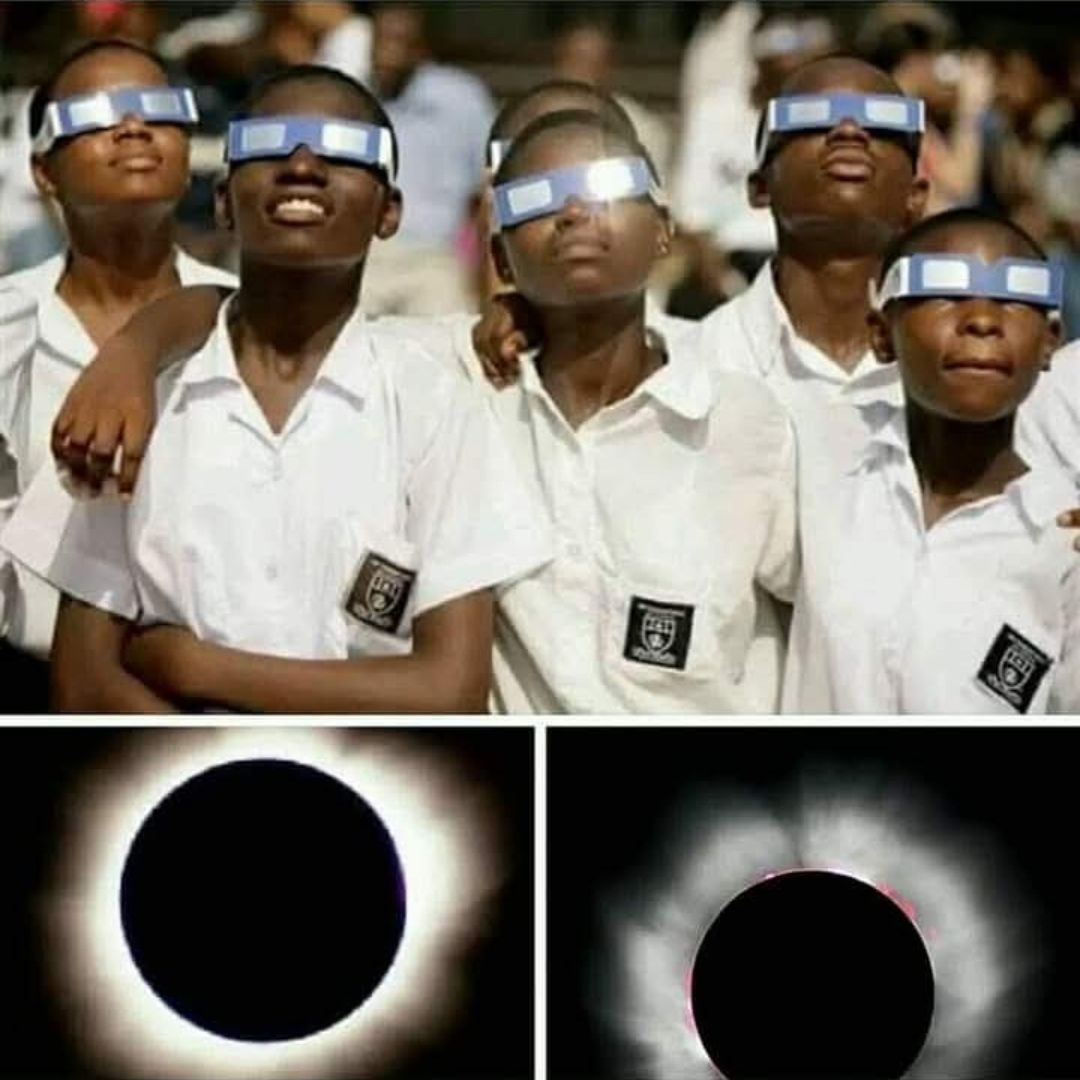
  • March 29, 2006 – Perhaps the most famous in Ghana’s recent memory, this total solar eclipse swept across the country, with places like Jirapa, Wa, and Techiman experiencing full darkness for over 2 minutes. Crowds gathered across towns and cities to witness the event, with schools and media offering education on eclipse safety.
  • June 21, 2001 – A partial eclipse was visible over southern Ghana, although the event was short-lived and less dramatic.
  • November 3, 2013 – A hybrid eclipse, starting as an annular and becoming total in parts of Africa. Ghana witnessed a partial eclipse, with up to 80% coverage in some areas.
  • October 14, 2004, and February 26, 1979 – Also marked notable partial eclipses, though not as widely remembered.

These events have always stirred public fascination, scientific engagement, and spiritual reflection across Ghana.

What Causes a Total Solar Eclipse?

A total solar eclipse occurs when the Moon passes directly between the Earth and the Sun, fully covering the Sun’s disk from the perspective of some observers on Earth. This alignment can only happen during a new moon, and due to the elliptical orbits of the Moon and Earth, such precise positioning is rare.

The Moon’s umbra (the darkest part of its shadow) sweeps across Earth, creating a path of totality. Within this path, observers experience total darkness in the daytime, as the Moon blocks sunlight completely for several minutes.

A New Chapter Awaits: The Total Solar Eclipse of August 2, 2027

While Ghana will not be in the direct path of totality for the 2027 eclipse, the magnitude of the event will resonate globally. For those willing to travel, this will be an unmissable opportunity to witness over 6 minutes of total darkness, the longest since 2009—and the longest until 2114.

When and Where: Exact Date and Timing

  • Date of Eclipse: Saturday, August 2, 2027
  • Start of total eclipse: Around 10:00 UTC
  • Maximum eclipse: 10:07 UTC (peak darkness)
  • End of eclipse path: Around 12:00 UTC

At its peak, the eclipse will last an extraordinary 6 minutes and 23 seconds—a rarity, as most total solar eclipses only last 2 to 4 minutes.

Countries in the Path of Totality (Full Darkness)

While the eclipse will be partially visible in much of Africa—including Ghana, which will experience a partial eclipse of 40–60%—the following countries will witness totality, with some enjoying 6+ minutes of darkness:

🌒 Total Eclipse With 6+ Minutes:

Egypt (especially Luxor, Aswan, Hurghada)

Sudan, Saudi Arabia, Yemen, Eritrea, Somalia.

🌘 Total Eclipse (Shorter Duration):

Tunisia, Libya, Oman

United Arab Emirates (UAE) – limited areas

Pakistan – western regions

India – Gujarat and parts of Rajasthan

Morocco – coastal visibility

🌗 Partial Eclipse Observers:

Ghana, Nigeria, Ivory Coast, South Africa

Europe (Southern Spain, Italy, Greece)

Other parts of West Africa

Scientific Importance of the 2027 Solar Eclipse

This eclipse presents a rare chance for scientists, educators, and the public to study and marvel at the natural dynamics between the Earth, Moon, and Sun.

Key Scientific Opportunities:

Solar Corona Observation: The eclipse exposes the Sun’s outer atmosphere, enabling research into solar wind and space weather.

Testing General Relativity: Astronomers can observe how light from distant stars bends around the Sun’s gravitational field.

Atmospheric Changes: Local drops in temperature and changes in animal behavior during eclipses provide insights into Earth’s environmental responsiveness.

Spiritual and Cultural Significance

Throughout history, solar eclipses have been seen as profound events symbolizing change, renewal, and cosmic messages.

Across Cultures:

In many African traditions, eclipses have been seen as omens or times of spiritual alertness.

Hindu customs encourage fasting and purification during eclipses.

Some Native American and Asian cultures saw eclipses as celestial battles or a swallowing of the Sun by mythological creatures.

In modern spiritual thought, eclipses are often linked to:

Emotional transformation

New beginnings or endings

Shifts in collective consciousness

Astrologers note that the 2027 eclipse occurs in the sign of Leo, which represents leadership, self-expression, and courage—indicating powerful shifts both individually and globally.

Viewing Tips and Travel Advice

If you plan to witness the full event:

Travel to cities like Luxor, Egypt, or Medina, Saudi Arabia, for the longest view.

Use certified solar eclipse glasses at all times outside of totality.

Start planning early—these cities will likely attract international tourists, scientists, and media.

Why This Eclipse Is So Special

One of the longest total eclipses of the 21st century

Lasts more than 6 minutes in some areas

Next total eclipse of similar length won’t occur until 2132

Global visibility makes it one of the most accessible major eclipses in recent history.

According to DebrichGroup.com editor, Ghana will not be under the path of totality in 2027, the nation has experienced the majesty of eclipses before and can still take part in the partial version of this cosmic show.

For those willing to travel, the 2027 total solar eclipse offers a once-in-a-lifetime chance to step into the shadow of the Moon and witness the universe’s grandeur in motion.

Mark your calendars: August 2, 2027. The skies will go dark—and the stars will come out in the daytime.

🔥 AZUSA 23 LAGOS – THE REVELATION OF JESUS: Apostle Madubuko, Emmy Kosgei, Yadah, Ighosa, Apostle Flourish Peters, Bishop Wale Ajayi, Bishop Fred Addo

AZUSA 23 LAGOS: Minister Yadah, Bishop Fred Addo, Pastor Emmy Madubuko, Apostle Anselm Madubuko, Bishop Wale Ajayi, Apostle Flourish Peters, Minister Ighosa Obaroh
AZUSA 23 LAGOS: Minister Yadah, Bishop Fred Addo, Pastor Emmy Kosgei Madubuko, Apostle Anselm Madubuko, Bishop Wale Ajayi, Apostle Flourish Peters, Minister Ighosa Obaroh

As the sun rises over the city of Lagos this July 2025, a sound will pierce the atmosphere, a sound of revival, of consecration, of divine visitation. AZUSA 23 Lagos is not just another gathering.

According to DebrichGroup.com analyst, this is a prophetic convocation, a reawakening, a call to ascend into realms of glory, and to behold THE REVELATION OF JESUS in a generation hungry for more.

🔔 THE CALL TO ASCEND

For seven days—July 21st to 27th, 2025—the heavens will kiss the earth at Revival Assembly Church, as AZUSA 23 Lagos Camp Meeting gathers saints, seekers, and kingdom warriors under one mandate: to encounter the Person, Power, and Presence of Jesus Christ.

This is more than a conference—it is a divine appointment. A clarion call to prophets, pastors, leaders, worshipers, and everyday believers who sense that God is doing something NEW in Nigeria and across the earth. The fire of Azusa is here again, and Lagos is the altar.

🕊️ MEET THE HOSTS

🔹 Apostle General Anselm Madubuko
Apostolic voice. Revivalist. Father to nations.

Apostle Anselm Madubuko is the founder and General Overseer of Revival Assembly—an apostolic center that has birthed movements and raised firebrands across continents. With over three decades of ministry, he is renowned for hosting revival crusades, conferences, and prophetic outpourings that have left cities transformed and nations awakened. His mantle is fire; his message, Christ crucified and risen.

Apostle Anselm carries a burden for national transformation through spiritual revival, and AZUSA 23 is yet another expression of this calling. Known for his boldness, prophetic authority, and fatherly heart, he stands as a watchman over the spiritual climate of Africa.

🔹 Pastor Mrs. Emmy Madubuko
Intercessor. Builder. Mother of Zion.

Pastor Emmy Madubuko, co-pastor and dynamic woman of God, is a seasoned teacher and prayer warrior whose ministry touches women, youth, and leaders globally. She is a prophetic voice of strength and grace, known for her wisdom, warmth, and passionate pursuit of the Holy Spirit.

Together, she and Apostle Anselm are leading voices in the revival wave sweeping the globe. She is also known as Emmy Kosgei, is a Kenyan Multiple award Winner, Recording & Performing Gospel Artiste and songwriter married to Apostle Anselm Madubuko.

Emmy was raised in the Rift Valley Province by her religious parents who served in the Church in different capacities with the mother being a reverend and the father a bishop. Emmy’s upbringing in a religious household and her community dialect influenced her choice in singing gospel music in Kalenjin.

Emmy Kosgei bursted into the limelight in 2009 after releasing her single titled “Taunet Nelel” which was massively successful across East Africa. She released her debut album titled Taunet Nelel back in October 2009 which was well received gaining her more popularity in the gospel music industry and making her a household name.

🔥 GUEST MINISTERS

🔸 Apostle Flourish Peters
Founder, The Logic Church

Apostle Flourish Peters is a radical reformer and a grace apostle shaking traditional religious systems with the message of the finished work of Christ. As founder of The Logic Church, he’s raising a new generation grounded in identity, power, and purpose. His meetings are marked by deep revelation, joy in the Holy Spirit, and supernatural encounters.

Apostle Flourish carries a Davidic anointing—merging teaching and worship, faith and fire. He’s a prophetic voice to this generation and a vessel of reformation to the church at large.

🔸 Bishop Wale Ajayi
Lead Pastor, Church of God Mission Int’l, The StandPoint

Bishop Wale Ajayi is one of Nigeria’s leading voices in doctrinal clarity, Kingdom reformation, and apostolic structure. A theologian with fire, Bishop Wale blends scriptural depth with apostolic authority, equipping believers to grow into maturity and purpose.

His ministry is known for birthing strong leadership, activating spiritual gifts, and establishing believers in the Gospel of Grace and Dominion. He is also deeply passionate about the end-time move of God and the strategic advancement of the church in nations.

🔸 Bishop Fred Addo
Senior Pastor, Faithlife Assembly International

With decades of experience in full-time ministry, Bishop Fred Addo is a respected voice in revival teaching, healing ministry, and kingdom empowerment. His sessions are marked by prophetic impartation, healing, and strong apostolic government.

Bishop Fred is a shepherd to leaders and a father in the faith to many. His role in AZUSA 23 signals a deepening of apostolic grace and generational transfer.

🎶 GUEST MINSTRELS

🎤 Minister Yadah
Known for her powerful worship anthem “Beyond Me,” Yadah is a psalmist to the nations. Her songs carry the fragrance of heaven, releasing deep hunger and intimacy with the Father. She ministers with authenticity and fire, drawing the hearts of men into the Holy of Holies.

🎤 Minister Ighosa Obaroh
A sound in the spirit, Minister Ighosa Obaroh is known for spontaneous worship, deep prophetic utterances, and creating atmospheres where the presence of God is tangible. She’s a spiritual minstrel carrying oil for revival.

📌 EVENT DETAILS

📍 Venue: Revival Ascension Church, 1-7 Revival close,
off akilo road, Ogba, ikeja, Lagos – Nigeria.
📅 Date: July 21st – 27th, 2025.
🕊️ Theme: The Revelation of Jesus
🎟️ Attendance: Free (Registration required)
📲 Scan the QR code on flyer to register now!

📞 CONTACT FOR INQUIRIES

📱 +234 902 300 9480
📱 +234 811 142 1731
📧 Email: conferenceazuss@gmail.com

🔥 FINAL PROPHETIC CHARGE

Azusa is not an event—it is an altar.
It is time to PRAY.
It is time to PLAN.
It is time to ASCEND.

This is the hour of divine encounter. Lagos is ready. The heavens are open.
AZUSA 23 LAGOS is your prophetic appointment. Don’t miss it!

USA Inserts Itself into Israel’s War with Iran, Striking Three Iranian Nuclear Sites (Audio)

USA President Donald Trump, Israel and Iran war, Middle East

Report reaching DebrichGroup.com indicates that, in a dramatic escalation of Middle East tensions, the United States has directly intervened in the ongoing war between Israel and Iran, launching coordinated airstrikes on three Iranian nuclear facilities.

This marks the first confirmed U.S. military action targeting Iranian nuclear infrastructure and significantly raises the risk of a broader regional conflict.

Background: Israel-Iran Conflict Intensifies

According to DebrichGroup.com analyst, the roots of the conflict trace back decades, with Israel and Iran maintaining hostile relations since the 1979 Iranian Revolution. Over the years, Israel has accused Iran of developing nuclear weapons under the guise of a civilian program, a claim Tehran vehemently denies. Despite numerous covert operations, cyberattacks, and targeted assassinations — many attributed to Israel — open warfare was largely avoided until early 2025, when a missile exchange triggered by border clashes with Hezbollah spiraled into a full-scale confrontation.

Israel launched a series of preemptive strikes deep into Iranian territory in March 2025, targeting Revolutionary Guard bases and suspected nuclear facilities. Iran responded with ballistic missile attacks on Israeli military and civilian targets, drawing condemnation and concern from around the world.

The U.S. Enters the Conflict

In the early hours of June 21, 2025, American B-2 Spirit stealth bombers and F-35 strike aircraft, reportedly operating from bases in the Gulf and Diego Garcia, carried out precision strikes on three key Iranian nuclear sites: the Natanz enrichment complex, the Fordow underground facility, and a suspected centrifuge assembly plant near Isfahan.

Pentagon officials confirmed the operation, citing intelligence that Iran was accelerating efforts to weaponize enriched uranium amid the chaos of war. A senior U.S. defense official stated:

“We acted to eliminate an imminent threat. Iran was moving beyond red lines, and inaction would have allowed irreversible nuclear escalation.”

The Biden administration (which has faced domestic and international pressure over its handling of the Iran-Israel conflict) argued the intervention was both defensive and preemptive. In a televised address, President Joe Biden emphasized that the United States does not seek war with Iran but will not allow nuclear weapons to proliferate in the region.

Details of the Strikes

According to satellite imagery and Iranian state media, the strikes caused significant damage:

Natanz – Iran’s primary uranium enrichment facility, was hit with deep-penetrating munitions. Iranian sources claim several centrifuge halls were destroyed, though the full extent is still being assessed.

Fordow – A heavily fortified underground site built into a mountain, was targeted with specialized bunker-buster bombs. Preliminary reports suggest the facility may have been disabled.

Isfahan Centrifuge Plant – Believed to be a key node in Iran’s enrichment infrastructure, was engulfed in flames, with secondary explosions suggesting a hit on stored nuclear components or fuel.

Iran has yet to release full casualty numbers, but early estimates suggest dozens of personnel may have been killed or injured.

Iran’s Response and Global Fallout

DebrichGroup.com can confirm that, Iran’s Supreme Leader Ayatollah Ali Khamenei issued a fiery response, vowing “severe and comprehensive retaliation.” The Islamic Revolutionary Guard Corps (IRGC) announced it had placed all forces on high alert and threatened to target U.S. assets in Iraq, the Gulf, and the eastern Mediterranean.

Iranian state TV declared the U.S. “an active combatant in a war against the Islamic Republic,” warning regional allies of America — including Saudi Arabia and the UAE — that they would also be considered hostile parties if they provide bases for further U.S. operations.

Global reactions have been swift and divided:

Russia and China condemned the U.S. strikes, calling them a violation of international law and sovereignty.

The EU urged all parties to de-escalate and called for an emergency UN Security Council meeting.

Gulf States issued guarded statements, calling for calm but privately bracing for regional retaliation.

Israel welcomed the strikes, with Prime Minister Benny Gantz thanking the U.S. for its “principled and necessary action.”

Implications and Risks Ahead

This U.S. intervention marks a turning point. What began as a bilateral war between Israel and Iran is now evolving into a multi-nation conflict with unpredictable consequences. Key risks include:

Direct Iran-U.S. Confrontation: Iranian retaliation against American forces in Iraq, Syria, or the Gulf could trigger a full-blown war.

Regional Destabilization: Hezbollah and Shiite militias may open new fronts in Lebanon, Iraq, or Yemen, dragging in Israel and the U.S. further.

Nuclear Proliferation Crisis: If Iran’s nuclear capabilities are indeed crippled, it may abandon any remaining NPT obligations, prompting other regional powers to reconsider their own nuclear policies.

Diplomatic channels are being urgently reactivated. Reports suggest that Swiss and Qatari intermediaries are attempting to broker a ceasefire or at least a cooling-off period. However, with tensions running high and trust at a historic low, the road to de-escalation appears steep.

The United States’ decision to strike Iranian nuclear sites represents one of the most consequential foreign policy moves in decades. While Washington argues it was necessary to prevent a nuclear-armed Iran, critics warn it may have triggered a chain reaction that could engulf the entire Middle East in war. As the world watches anxiously, the coming days will reveal whether this bold move was a calculated deterrent or a dangerous misstep into a wider regional inferno.