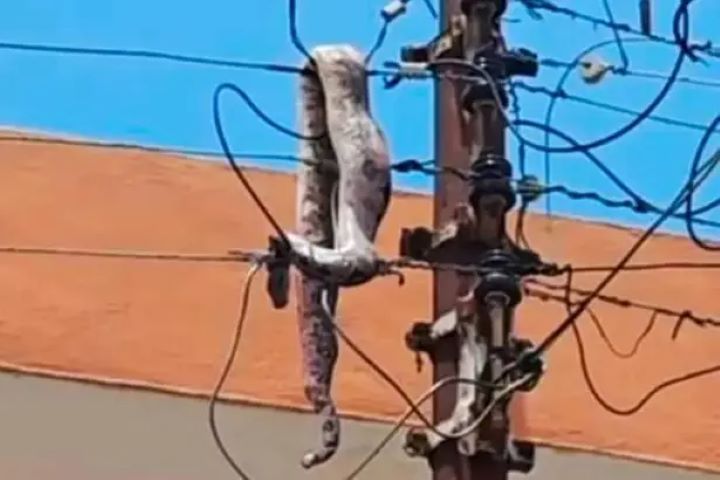

It was an ordinary Wednesday morning in Kwaso—until the lights flickered and died. What followed was anything but typical: a giant snake, entangled in electrical wires, was found to be the unlikely culprit behind a temporary power outage that stunned residents and left ECG crews scrambling for answers.
On the morning of Wednesday, June 11, 2025, a huge snake slithered onto a utility pole, causing a short circuit that plunged parts of the community into darkness for hours.
The Culprit: A Colossal Serpent
According to eyewitnesses and reports from the Electricity Company of Ghana (ECG), the snake was discovered coiled dangerously around electrical equipment atop a utility pole. Its contact with live wires caused a sudden short circuit, plunging parts of Kwaso into darkness for several hours.
A local ECG technician who responded to the scene confirmed that the snake’s body had interfered with the high-voltage system, triggering safety mechanisms that shut down power to protect the grid.
“We’ve had birds, we’ve had storms—but this is the first time we’ve had a snake cause an outage on this scale,” said one ECG engineer at the scene.
A Shock to the System
The power outage, which lasted approximately two hours, affected homes, businesses, and traffic in the immediate vicinity. Fortunately, thanks to a quick response from ECG technicians, the issue was isolated and resolved without further damage.
The snake, unfortunately, did not survive the encounter—raising concerns about the interaction between wildlife and infrastructure in rapidly urbanizing regions.
Nature Meets the Grid
While unusual, this isn’t the first time animals have disrupted power lines. Across the world, snakes, monkeys, squirrels, and even cats have been known to cause unexpected blackouts. Experts say that as human settlements expand into natural habitats, such encounters may become more common.
Wildlife experts in the Ashanti Region have suggested installing protective mesh guards and animal barriers on power infrastructure in forest-adjacent communities like Kwaso to prevent future incidents.
“It’s a reminder that we share space with nature—even if it shows up in the most electrifying ways,” commented one local conservationist.
Local Reactions: A Mix of Shock and Humor
Residents of Kwaso took to social media and WhatsApp groups to share images and jokes about the “snake outage.” One popular meme read, “Even the snake wanted to charge its phone.” Others saw it as a sign—though what it signified was left open to interpretation.
While some were briefly inconvenienced by the blackout, many expressed relief that it wasn’t caused by a technical failure or sabotage, but rather nature making an unexpected appearance.
Looking Ahead
The Electricity Company of Ghana has assured the public that further inspections will be conducted in the area to prevent repeat occurrences. Engineers are also reviewing pole designs and discussing wildlife-safe upgrades for rural lines.
As for Kwaso, it will surely remember June 11 not just as the day the lights went out—but the day a snake slithered its way into the town’s story.
ACCRA: In the constellation of Ghana’s most eccentric, ambitious, and polarizing personalities, one name sparkles with unapologetic audacity: Dr. Anne Sansa Daly. Dubbed the female version of Dr UN, Sansa Daly wasn’t just a storm—she was the weather.
Equal parts enigmatic, intelligent, and theatrical, she swept through Ghana’s socio-political space with flair, controversy, and a PhD in reinvention.
Early Brilliance, Education and Family
According to GhanaRegions.com, Anne was born in Kumasi to a modest family, Anne Sansa Daly showed signs of brilliance early. A product of Wesley Girls’ High School and later the University of Ghana, her mind was as sharp as her tongue. She earned a doctorate in Global Image Politics, a self-coined academic field blending PR, psychology, and pan-African diplomacy. It wasn’t long before she began styling herself as “Dr. Sansa Daly – Diplomat Extraordinaire and Global Awards Architect.”
But it wasn’t her academic credentials that made her famous. It was her uncanny ability to command rooms, convince elites, and craft ceremonies so grand they fooled even the most security-conscious politicians and celebrities.
The “UN-Style” Awards & Ascendancy Career
Inspired by the legendary (and controversial) Dr. UN, Sansa Daly launched the Global Elite Humanity Honors (GEHH)—an awards scheme wrapped in blue ribbons, flags, and pompous protocol. Ghanaian influencers, ministers, journalists, and business moguls flocked to her events, seduced by the air of legitimacy and vague ties to supposed international bodies.
What made Dr. Sansa able was her mastery of perception. She knew how to use academic language, media presence, and strategic ambiguity to make herself seem untouchable. She understood Ghana’s hunger for validation—particularly from anything sounding “global.” And behind her success? A loosely connected but powerful network of media allies, image consultants, and even a few retired diplomats who were charmed by her tenacity.
Political Ties and the Mahama Chapter
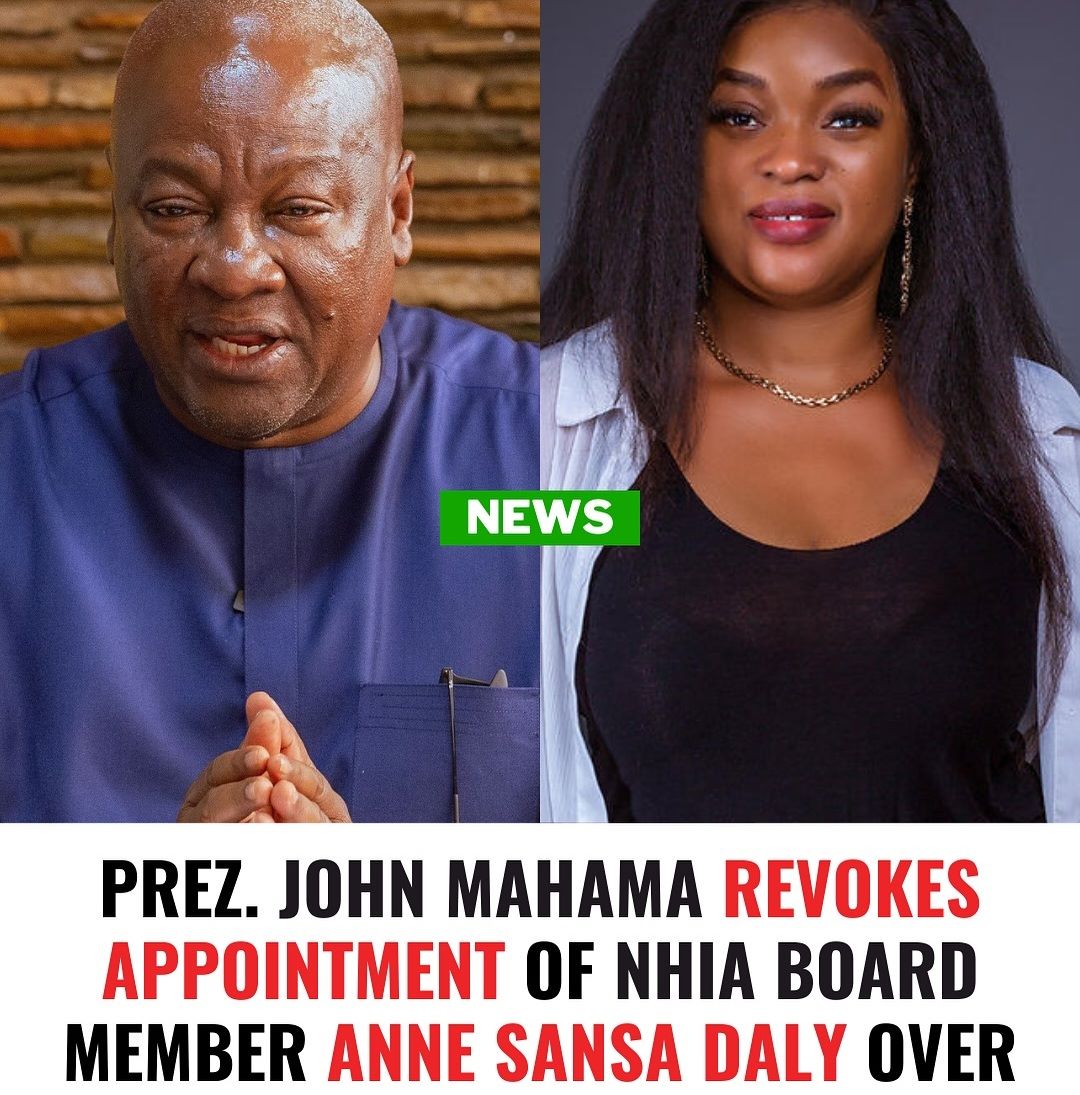
Her star reached new heights during the final years of the President John Mahama administration, when whispers in Accra’s corridors claimed that she had become an unofficial “image advisor” to certain government officials. Her awards even found their way into Flagstaff House.
But fame is a fickle friend.
It wasn’t long before the inconsistencies around her international affiliations came under scrutiny. Investigative journalists began asking hard questions. Who exactly endorsed these awards? What is the GEHH? And why were so many public officials attending?
President Mahama, facing his own political battles and a growing perception crisis, eventually distanced himself from the spectacle. Whether he dropped her due to internal pressure, opposition backlash, or pure political survival, the result was clear: Dr. Anne Sansa Daly was no longer welcome in elite political circles.
President John Mahama Revokes Appointment of Dr Anne Sansa Daly
Reinvention and Legacy
But Anne Sansa Daly is nothing if not a phoenix. After being dropped, she rebranded—this time as a motivational speaker, author, and continental women’s empowerment consultant. She remains a fascinating figure, blending satire and sincerity in equal measure.
To her critics, she’s a cunning manipulator.
To her fans, she’s a visionary disruptor.
To Ghana, she is unforgettable.
“They didn’t drop me. They paused me. Queens don’t fade—we recalibrate.” — Dr. Anne Sansa Daly
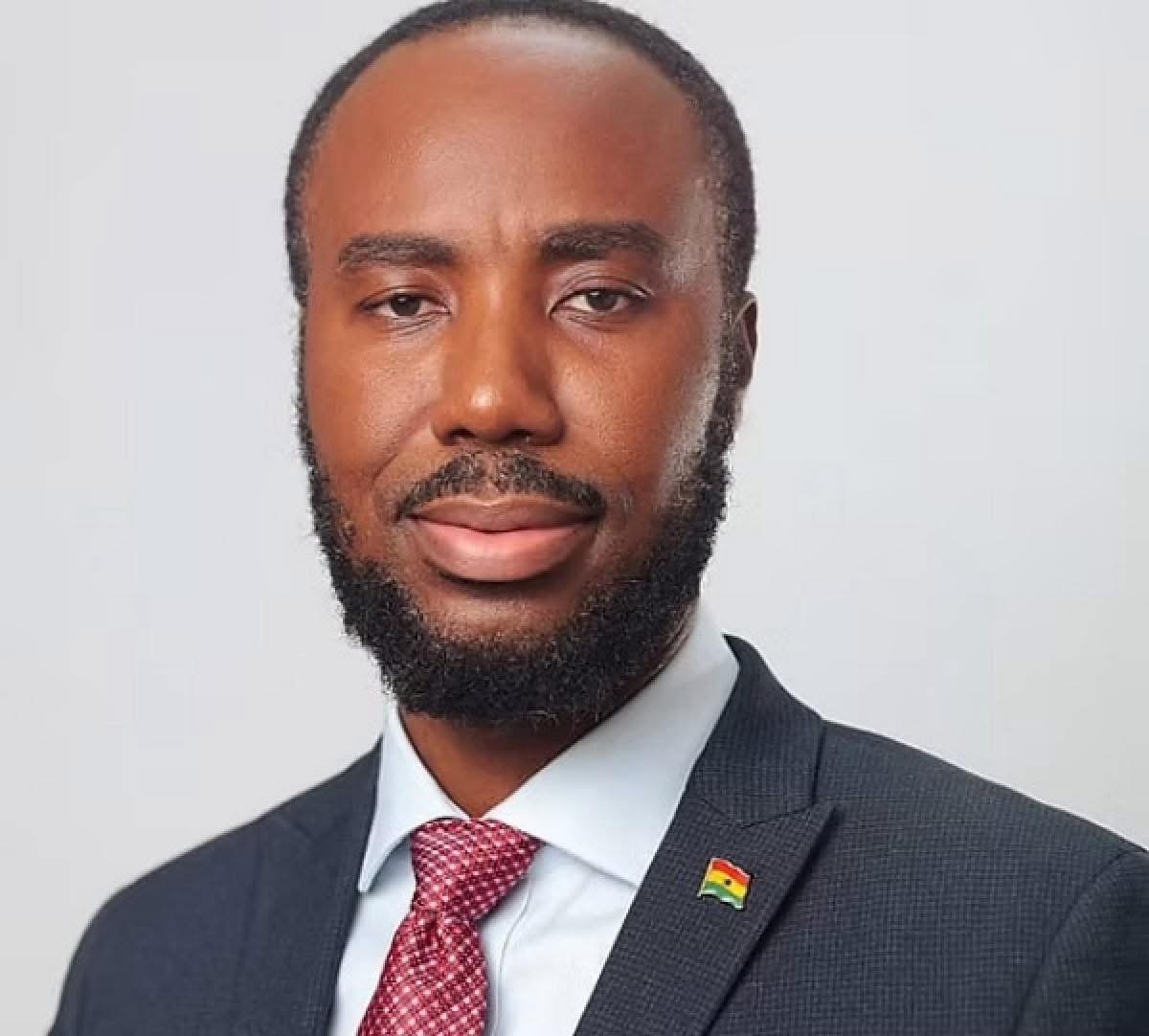
The cyber world was meant to be safer—until the money meant to secure it disappeared. Prosecutors in Ghana’s explosive GH₵ 49 million cybersecurity funds case now allege that Adu-Boahene, a key figure in the scandal, failed to declare his personal assets, raising serious questions about transparency and accountability in the public sector.
The accusations come amid a broader investigation into the suspected embezzlement of public funds earmarked to protect Ghana’s digital infrastructure.
These funds, meant to defend against cyberattacks and modernize national security systems, are now at the center of a corruption storm that threatens to undermine public trust in government institutions.
“When the watchdog is compromised, who protects the people’s purse?”
The Allegations
At the heart of the new controversy is Adu-Boahene’s alleged failure to comply with asset declaration laws—a requirement for all public officials in Ghana. Prosecutors claim this lapse is not merely procedural, but potentially intentional, raising questions about whether assets were deliberately hidden to avoid scrutiny.
Legal analysts argue that undeclared assets often signal attempts to conceal income gained through improper or illegal means. In corruption cases, such omissions are red flags that invite closer examination of a suspect’s financial dealings, lifestyle, and influence over public contracts.
The Bigger Picture: GH₵ 49M in Question
The undeclared assets revelation comes as part of a sweeping investigation into the misappropriation of nearly GH₵ 49 million in public funds allocated for cybersecurity development. These funds were intended to upgrade national systems, improve data protection, and prepare government agencies for the growing threat of cybercrime.
Instead, auditors and prosecutors have uncovered a trail of suspicious expenditures, questionable contracts, and irregular financial flows.
Kwabena Adu-Boahene’s role in the administration and oversight of these funds has come under intense scrutiny—especially now, with asset declaration non-compliance added to the list.
Public Outcry and Institutional Response
The Ghanaian public, long weary of corruption scandals, has responded with growing frustration. Civil society groups and anti-corruption advocates are demanding not only legal accountability, but systemic reform. The Adu-Boahene case has become a symbol of the wider challenges facing public governance in the country.
“Every case like this chips away at trust,” said one civic leader. “When leaders can’t follow basic rules like asset declaration, how can we trust them to manage millions meant for national security?”
Meanwhile, calls for transparency and reform within the institutions that handle public funds are growing louder. Critics argue that weak enforcement mechanisms and political shielding allow high-profile figures to escape consequences—something many hope will change with this trial.
What Happens Next?
Adu-Boahene is expected to appear in court again in the coming weeks, where prosecutors will formally present the asset declaration violations alongside other charges. Legal observers say the outcome could be pivotal—not only for this case but for how future corruption cases are prosecuted in Ghana.
If convicted, Adu-Boahene could face significant fines and jail time, and the case may trigger wider audits and asset probes involving other officials connected to the cybersecurity funds.
A Moment of Reckoning
This scandal, painful as it may be, could also be an opportunity—a turning point for Ghana’s anti-corruption agenda. The question now is whether the system will rise to meet the challenge or continue the cycle of impunity.
Note: GH₵49 million is equivalent to approximately USD 9 million, based on the exchange rate at the time.
Adu-Boahene said “I’ll Definitely Come Out of This!” in an audio.
The Ghanaian cedi has shown signs of resilience. After reaching lows of around GHS 16.40 per USD earlier in the year, it appreciated to approximately GHS 10.36 in mid-May before stabilizing near GHS 10.60. – Ghanaian cedi symbols ₵.
This rebound is attributed to proactive government measures, including gold-backed reserves and increased investor confidence.
Future Projections: 3 Months, 6 Months, and 1 Year:
According to DebrichGroup.com, the cedi is expected to maintain its current strength, with projections suggesting it could reach GHS 10.00 per USD if supportive policies continue.
Ghanaian CEDI [currency sign: GH₵ and currency code: GHS] is the unit of currency of Ghana.
The Ghanaian Cedi (GHS), the official currency of Ghana, has been at the center of national and international economic discussions in 2025.
Amid global economic shifts, fluctuations in the US dollar, and domestic financial reforms, the performance of the cedi has become a crucial topic for Ghanaians at home and abroad.
This article explores:
The current exchange rate
The cedi’s recent trends and future outlook
The implications of a falling dollar
What Ghanaians can do to support the cedi
Forecasts for the next year
Current Exchange Rate (As of May 29, 2025)
$1 USD ≈ 15.86 GHS
$100 USD ≈ 1,586 GHS
These rates reflect real-time market conditions and may vary slightly between banks and forex bureaus.
How Long Will the Cedi Stay Strong?
The cedi’s resilience depends on several factors:
Foreign exchange reserves (including gold)
Export performance (especially cocoa, gold, and oil)
Inflation control
Government spending discipline
External economic factors like global oil prices and dollar strength
If these elements are managed well, the cedi could retain relative strength for the next 3 to 6 months, with challenges possibly intensifying in the 9- to 12-month horizon.
How a Falling Dollar Could Benefit Ghana
A depreciation in the US dollar can positively affect Ghana in the following ways:
Positive Impacts:
Lower External Debt Burden: Ghana’s debt, much of it dollar-denominated, becomes cheaper to repay.
Cheaper Imports: Imported goods from non-dollar economies (e.g., China, Europe) may become more affordable.
Stronger Export Earnings: Exports priced in dollars bring more value when converted to cedis.
Investment Appeal: Stability in the cedi attracts foreign direct investment (FDI).
However, caution is needed, as other currencies could gain relative strength, which may increase the cost of imports from non-dollar sources.
What Should Ghanaians Expect?
1. In 3 Months (August 2025):
From DebrichGroup.com analyst, Cedi might stabilize between GHS 10.50–12.00 per USD if current policies hold.
Domestic inflation could ease.
Slight relief on fuel and food prices.
2. In 6 Months (November 2025):
Forecasts suggest the cedi may face renewed pressure, reaching around GHS 12.80–14.00.
Seasonal cocoa exports may cushion this.
3. In 9 Months (February 2026):
Post-holiday imports and possible IMF loan repayments may challenge the cedi.
Rate could hover near GHS 15.00+.
4. In 1 Year (May 2026):
If government spending increases ahead of elections, the cedi could weaken further to around GHS 17–20 per USD.
If fiscal discipline is maintained, the rate could remain under GHS 15.
What Caused the Dollar to Fall?
Several global and domestic dynamics have influenced the relative weakness of the dollar:
High U.S. interest rates tapering off
Reduced global demand for U.S. Treasury bonds
Increased global interest in alternative reserves (gold, yuan, digital currencies)
Emerging markets shifting from dollar-based trade
In Ghana’s case, increased gold-backed reserves and bilateral trade agreements (e.g., oil-for-gold) have reduced dollar demand.
How Ghanaians Can Help Strengthen the Cedi
Buy Local, Export More:
Supporting local industries reduces import dependency.
These sectors reduce food import bills and increase self-sufficiency.
Use Mobile and Digital Payments:
Reduces forex pressure through transparency and formalization of transactions.
Diaspora Investment:
Ghanaians abroad should consider investing in productive sectors, not just real estate.
Invest through local banks to increase foreign currency reserves.
Avoid Panic Buying or Dollar Hoarding:
Speculation drives unnecessary demand for foreign currency.
The Ghanaian cedi has shown resilience in 2025, but its future depends on careful economic management, a supportive global environment, and collective action from citizens. While a weaker dollar offers temporary breathing room, long-term stability will come only from strengthening Ghana’s internal economic capacity.
Ghanaians—both local and in the diaspora—must play their part by investing wisely, consuming locally, and keeping confidence in the national currency.
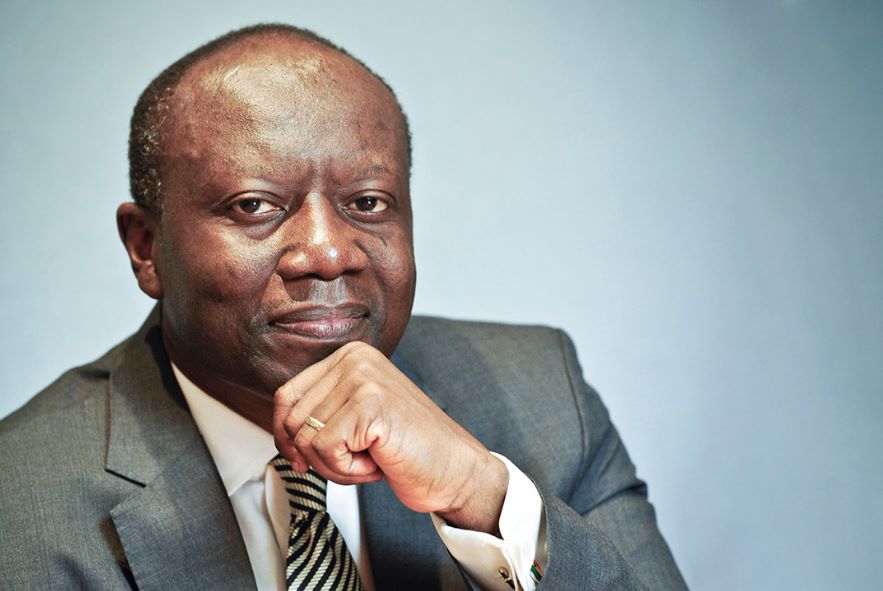
Economist, Politician and former Ghanaian Finance Minister Kenneth Nana Yaw Kuntunkununku Ofori‑Atta, also known as Ken Ofori-Atta was born on 7th November 1958 in Kibi, Eastern Region, Ghana.
According to DebrichGroup.com, Ken Ofori-Atta’s journey is one of striking contrasts: a Wall Street investment banker turned African statesman, whose influence shaped Ghana’s economy during one of its most turbulent decades.
As co-founder of the pioneering Databank Group and later the nation’s finance minister, his legacy straddles financial innovation, controversial fiscal policies, and unprecedented public scrutiny.
From IMF negotiations to an international Interpol Red Notice, his story is both a mirror of Ghana’s ambitions and its accountability struggles.
Kenneth Nana Yaw Kuntunkununku Ofori‑Atta hails from a politically prominent family—his father was economist-politician Jones Ofori Atta, and he’s a cousin of President Nana Akufo‑Addo.
Educated at Achimota School, he earned a B.A. in Economics from Columbia University in 1984 and an MBA from Yale School of Management in 1988.
Professional Career
After a stint at Morgan Stanley and Salomon Brothers in New York, he returned to Ghana in 1990 to co-found Databank Group. His leadership transformed it into a leading financial services firm across West Africa.
Political Career as Finance Minister (2017–2024)
Nominated by President Akufo‑Addo, Ofori‑Atta served as Ghana’s Minister of Finance and Economic Planning from 27 January 2017 to 14 February 2024.
During his tenure, he chaired the World Bank/IMF Development Committee, steered Ghana through a significant IMF-supported debt restructuring after the 2022 default, and earned praise—including “Africa Finance Minister of the Year 2018”.
Later Years & Controversies
Despite early economic optimism—like an S&P rating upgrade—his term drew criticism that culminated in a parliamentary censure motion in October 2022 amid currency decline and economic mismanagement. He was ultimately reshuffled out in early 2024
🛑Interpol Red Notice: Why, When & Where, Why Was He Listed?
In early 2025, Ghana’s Office of the Special Prosecutor (OSP) launched investigations targeting five major corruption cases involving Ofori-Atta—most notably:
Alleged misuse of approximately US $58 million in public funds tied to an unfinished “National Cathedral” project.
Financial misconduct in contracts related to petroleum revenues, electricity, ambulance procurement, and a revenue assurance deal with Strategic Mobilisation Ghana Ltd (SML).
Key Timeline
Date
Event
Jan 2025
OSP requests his presence by 10 Feb regarding corruption cases.
Feb 12, 2025
Declared a “fugitive” after not appearing due to claimed medical treatment abroad .
Feb 18, 2025
OSP removes him from the wanted list after he offers to return in May.
Mar 2025
He files suit against the OSP over reputational damage and online content .
June 2, 2025
OSP re-declares him wanted as he fails to appear again .
June 5–6, 2025
Interpol issues the Red Notice following the renewed request .
What Is an Interpol Red Notice?
It is not an arrest warrant, but a global alert asking member countries (all 196 nations) to locate and provisionally arrest a person pending extradition.
Ofori‑Atta is described as a 65‑year‑old Ghanaian male, born in Accra on 7 November 1958, 1.70 m tall, black hair/eyes, known to speak English and Twi.
Possible detainment is now valid in any of the 196 member countries, including major jurisdictions like the US, UK, South Africa, Guyana, Hong Kong, and the Cayman Islands
Reactions & Implications
His legal team deems the “fugitive” label an infringement of rights, citing ongoing medical treatment abroad
Some legal experts argue that making the Red Notice public might undermine covert arrest strategies and border surveillance
For Ghana’s new administration under John Mahama, this forms part of a broader anti-corruption drive seeking to recover billions in alleged misappropriated public funds.
🔍Current Status & What’s Next
Whereabouts: Official sources confirm he’s abroad undergoing medical treatment; exact location unknown .
Detention Risk: Launches a risk of arrest if he returns to any Interpol member country—pending extradition decisions.
Legal Strategy: His team is prepared to formally challenge the process through Ghana’s courts, citing health and reputational concerns.
OSP Stance: The prosecutor vows to pursue all legal avenues to bring him back to Ghana for trial.
Ama Endorsed was born on February 17, 1996, in Dzodze, Volta Region, she spent most of her life in Accra, where she built a legacy rooted in resilience, creativity, and empowerment.
Comfort Esime Adzigbli, affectionately known as Ama Endorsed or “The Lady Carpenter,” was a pioneering Ghanaian entrepreneur, carpenter, and social media influencer who shattered gender norms and inspired a generation of young women to pursue their dreams fearlessly.
Early Life and Education
Ama was the eldest child in her family and developed an early interest in carpentry by assisting her father, who was a carpenter.
She attended Aburi Presbyterian Senior High Technical School in the Eastern Region, where she completed her secondary education.
Career and Entrepreneurship
Ama’s journey into entrepreneurship began with her passion for carpentry, a skill she honed under her father’s guidance.
In 2016, she founded Namas Decor, an interior design firm specializing in custom furniture. She later expanded her business portfolio by establishing Namas Autos, focusing on car interior reupholstery and vehicle sales.
Her unique blend of craftsmanship and business acumen earned her the nickname “The Lady Carpenter.” Ama’s work not only showcased her talent but also challenged societal norms, proving that women could excel in male-dominated industries.
Social Media Influence
With over 328,000 followers on Instagram, Ama utilized her platform to share her work, inspire others, and advocate for women’s empowerment. Her authenticity and dedication resonated with many, making her a beloved figure in Ghana’s creative and entrepreneurial spaces.
Legacy and Impact
Ama’s untimely passing on April 17, 2025, at the age of 29, sent shockwaves through Ghana and beyond.
Her death, following a brief illness, was confirmed by her family, who requested privacy during their time of mourning.
Tributes poured in from celebrities, fans, and fellow entrepreneurs, all mourning the loss of a trailblazer who redefined what it meant to be a woman in business.
Ama Endorsed funeral was held on May 24, 2025, at St. Francis of Assisi Catholic Church in Ashaley Botwe, followed by her burial in her hometown of Dzodze.
Ama Endorsed’s life was a testament to courage, innovation, and the power of breaking barriers. Her legacy continues to inspire countless individuals to pursue their passions and challenge the status quo.
Ghanaian entrepreneur, Nana Appiah Mensah, widely known as NAM1, is the founder of Menzgold Ghana Limited, a gold dealership firm that ceased operations in 2018 following regulatory actions.
Professional Background
NAM1 received his secondary education at Adisadel College in Cape Coast and pursued further studies at the University of Ghana, Legon. In 2016, he established Zylofon Media, a multimedia company that signed prominent Ghanaian artists such as Shatta Wale, Stonebwoy, and Becca. Zylofon Media also ventured into the film industry, signing actors like Benedicta Gafah and Toosweet Annan. However, the company was eventually shut down by the Ghana Securities and Exchange Commission.
NAM1’s business ventures earned him several accolades, including the Special Recognition Award for Business Innovation at the Exclusive Men of the Year Africa Awards in 2017 and being listed among the 100 Most Influential Young Persons in Africa by the Confederation of West African Youth in July 2018.
Legal Challenges and Current Case Status
In September 2018, the Ghana Securities and Exchange Commission shut down Menzgold Ghana Limited for operating without the necessary licenses.Subsequently, in January 2019, the Economic and Organized Crime Office (EOCO) of Ghana secured a court order to freeze all assets belonging to NAM1.
In August 2023, the Attorney General’s office filed 39 new charges against NAM1, including money laundering, defrauding by false pretenses, selling gold without a license, and operating a deposit-taking business without a license.The prosecution alleges that between 2017 and 2018, NAM1 and his companies took a total sum of GH¢1,680,920,000 from customers, which remains unpaid.
On September 20, 2023, NAM1 was granted bail of GH¢500 million with four sureties.As part of the bail conditions, he was required to surrender his passport and report to the Criminal Investigations Department of the Ghana Police Service every Thursday.
In October 2023, NAM1 handed over GH¢5 million to the Ghana Police Service to be distributed to customers of the collapsed firm.Of this amount, GH¢2.5 million was for the settlement of a compromised judgment debt, while the remaining GH¢2.5 million was intended for over one hundred individuals.
As of December 2024, NAM1 appealed to the court for more time to engage new legal representation, citing fundamental differences with his previous lawyer.The High Court had earlier dismissed his request for a stay of proceedings and ordered him to open his defense.
The case remains ongoing, with the court proceedings adjourned to allow NAM1’s legal team to review the new charges filed against him.
In a gripping finale to the 2025 U-20 Africa Cup of Nations third-place playoff, the Flying Eagles of Nigeria triumphed over Egypt’s Young Pharaohs in a nerve-racking penalty shootout, winning 4-1 after a 1-1 stalemate in regulation time.
Both teams entered the match with wounded pride, having narrowly missed out on the final, but the battle for bronze proved no less intense. Inside a pulsating Stade de la Paix in Bouaké, the two youth powerhouses put on a show of grit, skill, and raw ambition—reminding the continent why they remain among Africa’s most storied footballing nations.
⚽ First-Half Fireworks
It was Egypt who struck first, with a well-taken goal in the 17th minute. The Young Pharaohs capitalized on a defensive slip by Nigeria, with forward Mostafa Adel slotting home coolly past goalkeeper Chijioke Aniagboso. But the Flying Eagles responded with characteristic verve. Their equalizer came shortly before halftime through Daniel Daga, who rose highest to meet a curling corner and thundered a header into the net.
🛡️ Tension and Tactical Chess
The second half was a cagey affair, with both sides probing cautiously, wary of making costly mistakes. Nigeria controlled possession, with the midfield duo of Tochukwu Nnadi and Ibrahim Muhammad dictating tempo, but Egypt’s backline held firm. When the final whistle blew at 1-1, the match headed straight to penalties.
🎯 Penalty Perfection
In the shootout, Nigeria showed remarkable composure. Goalkeeper Aniagboso turned hero, saving two of Egypt’s spot-kicks. Meanwhile, all four Nigerian takers—Daga, Nnadi, Musa Ibrahim, and captain Solomon Agbalaka—converted with icy precision. Egypt managed only one successful attempt before the decisive miss sealed their fate.
🏆 Pride Restored
The victory handed Nigeria the bronze medal—an honorable finish and a testament to their resilience and character after the heartbreak of a semi-final exit. More than just a consolation, this triumph reinforces the Flying Eagles’ reputation as a breeding ground for future Super Eagles stars.
Head coach Ladan Bosso praised his team’s mentality: “We came here with the ambition to win the title, but I’m proud of how the boys responded. To finish on the podium and show this level of courage speaks volumes about their future.”
For Egypt, the tournament ends in frustration, but their young talents can hold their heads high after a spirited campaign.
As the curtain falls on the 2025 U-20 AFCON, Africa’s future football stars have reminded us all that the road to greatness is forged not only in glory, but also in grit—and today, Nigeria proved they have plenty of both.
Key Stats & Player Profile
🇳🇬 Nigeria 1 (4) – (1) 1 Egypt 🏆 2025 U-20 Africa Cup of Nations – Third Place Match 📍 Stade de la Paix, Bouaké 📅 May 17, 2025
⚽ Goals: 🇪🇬 Mostafa Adel (17’) 🇳🇬 Daniel Daga (41’)
🎯 Penalties: ✅ Nigeria: Daga ✅, Nnadi ✅, Ibrahim ✅, Agbalaka ✅ ❌ Egypt: 1 scored, 2 saved by Aniagboso, 1 missed
🔑 Match Highlights:
⛔ Chijioke Aniagboso (Nigeria GK): 2 penalty saves – man of the moment
🧠 Daniel Daga (Nigeria CM): 1 goal, 1 penalty scored – a complete midfield performance
🧱 Solomon Agbalaka (Nigeria Captain): Leadership on the pitch, sealed the shootout
📊 Match Stats:
Possession: 🇳🇬 56% – 🇪🇬 44%
Shots on Target: 🇳🇬 6 – 🇪🇬 4
Corners: 🇳🇬 5 – 🇪🇬 3
Fouls: 🇳🇬 12 – 🇪🇬 10
Yellow Cards: 🇳🇬 1 – 🇪🇬 2
📱 2. Social Media Recap (Instagram/Twitter/X Thread)
🇳🇬⚽ FLYING EAGLES FLY TO BRONZE! Nigeria U20 🆚 Egypt U20 Final Score: 1-1 (4-1 pens)
🟢 Nigeria held their nerve in a dramatic shootout to claim 3rd place at #U20AFCON2025!
📸 Daniel Daga = equalizer + 1st penalty 🧤 Aniagboso = 2 crucial saves 🔥 4 perfect pens from 🇳🇬
Here’s a set of standout Nigeria U-20 player profiles from the third-place match at the 2025 U-20 Africa Cup of Nations:
🇳🇬Nigeria U-20 Player Profiles – AFCON 2025 Bronze Medalists
🧤 Chijioke Aniagboso – Goalkeeper Age: 19 | Club: Enyimba FC 📌 Profile: Calm, commanding, and clutch. Aniagboso was the penalty shootout hero, saving two Egyptian spot-kicks with ice in his veins. His shot-stopping reflexes and leadership from the back were pivotal throughout the tournament. ⭐ Match Impact: 2 penalty saves in the shootout 🧱 Nickname: “The Wall of Aba”
🛡️ Solomon Agbalaka – Left Back / Captain Age: 20 | Club: Sochi FC (Russia) 📌 Profile: A rock at the back and a leader by example. Agbalaka’s intelligent positioning and overlapping runs provided width and stability. He converted the decisive penalty to secure Nigeria’s win. ⭐ Match Impact: Final penalty taker & defensive anchor 🧭 Nickname: “The General”
⚙️ Daniel Daga – Central Midfielder Age: 18 | Club: Watford FC (England) 📌 Profile: A box-to-box dynamo. Scored the equalizer with a towering header and calmly converted Nigeria’s first penalty. Daga’s energy, interceptions, and quick distribution made him a midfield engine. ⭐ Match Impact: 1 goal, 1 penalty scored 🔥 Rising Star Watch
🎯 Tochukwu Nnadi – Playmaker / Midfielder Age: 19 | Club: Botev Plovdiv (Bulgaria) 📌 Profile: Silky, smart, and decisive. Nnadi controlled Nigeria’s tempo and linked defense to attack. Showed poise under pressure in the shootout, dispatching his penalty with class. ⭐ Match Impact: 1 penalty scored, 92% pass accuracy 🎩 Nickname: “The Metronome”
⚡ Musa Ibrahim – Forward Age: 18 | Club: Nasarawa United 📌 Profile: Lively and direct, Musa offered threat with his pace and flair. He didn’t score from open play, but delivered a composed penalty in the shootout. His movement kept Egypt’s backline on alert. ⭐ Match Impact: 1 penalty scored, created 2 chances 💨 Nickname: “Jetstream”
🧠 Coach Mention: 👔 Ladan Bosso – Head Coach Age: 56 📌 Profile: Veteran tactician who has now delivered back-to-back top-four finishes for Nigeria at youth level. Managed emotions after semi-final heartbreak and rallied his side to end on a high. 🎙️ Quote: “This is more than bronze. It’s belief restored.”
It is with profound sorrow that we confirm the passing of Ghanaian highlife legend, Dada Kwaku Duah, popularly known as Dada K.D.He died on Friday, May 16, 2025, at the age of 56, after a sudden illness.
The Story And Biography of Dada K.D.
Born on February 14, 1969, in Kwadaso, Kumasi, Ghana, Dada K.D.’s passion for music ignited at the tender age of seven.By 15, he was already playing instruments in his local church, showcasing a natural affinity for melody and rhythm.His early musical endeavors included visiting homes during Christmas with friends, playing instruments, and singing, which laid the foundation for his future career.
Despite facing initial setbacks in joining professional bands due to his age, Dada K.D.’s determination never waned.His breakthrough came when he met Michael Osei Agyemang, who assisted him in recording his debut album, “Honey Love,” at GEE MAN’s studio.This was followed by successful albums like “Adi Nye Wop” and “Eden na megyee.”In 1998, seeking broader horizons, he relocated abroad, eventually settling in Germany, where he continued to produce music and perform.
Dada K.D.’s discography boasts nine albums, including notable works such as “Somgye,” “Ebeboawo,” “Obiara Se Eye,” and “Mewura / Odom u anigyebi.”His music, deeply rooted in highlife traditions, is influenced by artists like Nana Adumako Nyamekye and Michael Bolton.Throughout his career, he has collaborated with bands like Relatives in Germany, Kojo Antwi’s Band, Tropical Vibes, and Amakye Dede’s Band.His contributions to music were recognized in 2004 when he was adjudged Best Male Vocal Artist at the Ghana Music Awards in Britain.
Beyond his musical achievements, Dada K.D. was known for his candidness about the challenges faced by musicians, particularly in Ghana.He spoke openly about issues like inadequate support for artists, the impact of poverty on creatives, and the need for better structures to support musicians’ welfare.
In his personal life, Dada K.D. expressed unconventional views on marriage, stating that he did not see it as part of his life plan.He had three children in Germany but remained unmarried, choosing to focus on his music and personal principles.
🌟 A Legacy of Love and Resilience
Dada K.D.’s journey through the highs and lows of the music industry exemplifies resilience and passion.His soulful love songs have touched many, and his advocacy for artists’ welfare continues to inspire.His sudden departure has left a void in the hearts of many, but his music and legacy will continue to resonate.
Afua Asantewaa didn’t just sing for Sing-A-Thon records—she sang for recognition, resilience, and roots. But after being accused by TikToker Priscy of using her sing-a-thon for business and fraud, her silence broke in a bold, passionate message.
As the dust settles, gospel minister QueenLet emerges as a poised contender for her own record-breaking feat. This is the sound of three women defining 2024’s cultural narrative.
In a moment that has sent waves across social media, Ghanaian media personality, Afua Asantewaa has addressed harsh and personal attacks from a TikToker, setting the record straight in a passionate yet powerful monologue.
Her words, though emotionally charged, are more than a clapback—they are a testimony of strength, vision, and the journey of a woman determined to rise above the noise.
Afua Asantewaa, who captured national attention with her Guinness World Record sing-a-thon attempt, has been the subject of unfair criticism and unfounded accusations, including being labeled a fraud alongside her husband. For a woman who poured her heart and soul into her musical marathon, this kind of online dragging not only crosses boundaries but underscores a disturbing trend—women tearing down fellow women for clout.
In her address, Afua did not mention the TikToker by name, perhaps to deny her the very spotlight she desperately craves. “Women are supposed to support women,” Afua stated, “not drag each other down.” Her call is clear: in an era where digital platforms can amplify voices, we must choose to amplify the right ones—those rooted in truth, integrity, and empowerment.
This moment also casts a powerful spotlight on another Ghanaian woman of vision and voice—QueenLet, the spirit-filled gospel artist preparing for her own Guinness World Record sing-a-thon submission. Unlike Afua, whose attempt was ultimately not certified, QueenLet’s journey has just begun. But the foundation is different: one laid not in noise, but in preparation, strategy, and a prayerful commitment to excellence.
Two Women. One Purpose. Different Journeys.
What unites Afua Asantewaa and QueenLet is more profound than their Guinness aspirations—it’s their courage. To dream out loud. To sing until their voices give out. To represent Ghana on a global stage where women’s efforts are often scrutinized more than celebrated.
Afua’s raw words, though born from frustration, carry a deeper message. “They wish they had what I have,” she said. That “what” isn’t just fame—it’s vision. It’s impact. It’s legacy. QueenLet too, stands in that lineage. As she prepares to submit her own record-breaking gospel marathon, let it be known: this is not a competition between women, but a continuum of greatness.
Both women are examples of what it means to break barriers in the face of ridicule. Afua Asantewaa’s experience is not a failure—it’s a chapter. And QueenLet’s forthcoming sing-a-thon is not just a record attempt—it’s a message. A message to young African women that their voice matters. That endurance is power. And that no TikTok critique can silence a song born of purpose.
In the end, Afua said it best: “We are thinking. We are visionaries.” Indeed. And visionary women don’t compete—they complete a legacy.
Below is the full text of Afua Asantewaa’s Video:
“Sometimes I chant on videos, discussing me, and all that like this, I don’t want to use the word stupid, because I’m a lady. Sometimes I want to respond to some of these comments, and that’s why I don’t want to mention her name here, because I feel like I’m going to give her the platform that she’s hungrily seeking. You get it? And for such a lady who is busy looking for a career on TikTok, to call my husband and I fraudsters. A girl like that, me obaa, I don’t usually do this. I mean, women are supposed to support women. Women don’t drag women down.
Sometimes when I want to go hard on some of these people, of course I have mature, sensible people around me who go like, if you’re getting yourself into this, that’s what you’re looking for. They wish they have, yeah, that’s it. But sometimes it gets here, and I’m like, but you know what? It’s okay. She’s hungry. She’s looking for a career on TikTok. So I’m going to make, not just her, I mean, there are a couple of people whose current life achievements, if we are to draw a bar chart, cannot be created to my achievements.
If… in front of a camera, and if I see this girl, she has nothing to her name. You’re a woman, you support women and all that. That’s what people say. But while she’s dragging my husband, they will not go there and tell her that she’s fooling. Enough of this shit. I’m dying. She wakes up in the morning and be shouting on TikTok.
Why can’t she chase clouds with her own life story? All those people who have been talking ill about people, put their story-line on there. Let’s compare both. Stupid girl.
A woman hating on another woman. Calling me a fucker. If you want to come at me, come at me. Leave my husband out of the picture. Because I don’t think you’ve been able to keep a relationship. You don’t even know how it feels like to be married. And let me tell you today that you will never find the happiness that I have ever had in my marriage till now.
I’ll be nine years in marriage come July. You can’t even keep a relationship with your big mouth and your big nose. I’ve not done this before, but I’m going to do this today. Don’t ask for it. I’m giving you the last chance. If you want to use your life savings to be battling for your life in court, don’t ever mention my name and that of my husband in your career-chasing life on TikTok.
I am not that witch. If you want to be a clout-chasing channel, be that. If you want to talk about me, talk about facts. If you think whatever I am doing is true, with your low-level intelligence, think it’s a fraudulent act. Try it, let’s see. Be the woman that I am and try it, let’s see. Grow up, girl. It’s a new generation. We are thinking, we are visionaries. We are not clout-chasing.”
Afua Asantewaa Profile: The Voice That Dared to Break Records
Afua Asantewaa Aduonum, a Ghanaian media personality, journalist, entrepreneur, and vocalist, etched her name into the hearts of many when she undertook the Guinness World Record attempt for the longest singing marathon in December 2023. Though her attempt was not ultimately certified by Guinness, her resilience, national pride, and musical endurance transformed her into a symbol of Ghanaian determination and unity.
With a career built around advocacy, entertainment, and cultural preservation, Afua was never just singing—she was telling the story of Ghana, one melody at a time. But fame, especially for women, comes with scrutiny. And Afua’s star soon attracted shadows. TikTok personality Priscy accused her of using the sing-a-thon as a business ploy, branding her and her husband as fraudsters.
Afua’s recent response—deeply emotional and unapologetically raw—highlighted the emotional toll of public life, especially when personal relationships are dragged into viral narratives. “Women are supposed to support women,” she stated, “not drag each other down.” Her words resonated not just as a defense, but as a manifesto for every woman navigating the knife-edge of visibility and vulnerability.
QueenLet Profile: Gospel’s Silent Storm and Record-Breaking Visionary
While the dust of controversy circles Afua’s attempt, another Ghanaian woman is quietly tuning her voice for history. QueenLet, born Leticia Kyerewaa, is a prophetic gospel minister, entrepreneur, and award-winning vocalist whose spiritual and sonic influence continues to grow.
Recently crowned Sing-A-Thon Artist of the Year 2024 at the Ghana General Awards – GH AWARDS.
QueenLet is poised to submit her own Guinness World Record sing-a-thon for consideration. Her performances blend worship with a genre she pioneered—“soakat,” a fusion of soaking worship and prophetic ministration. Her upcoming record attempt is rooted not in competition, but in calling. QueenLet is a multilingual.
What sets QueenLet apart is her intentional silence amid the noise. She does not sing to trend—she sings to transform. As Afua’s public battles unfold, QueenLet’s preparation is a reminder that purpose, when aligned with patience and prayer, creates a platform that needs no defense.
Priscy Profile: TikTok’s New Breed of Critic or Clout-Chaser?
Priscy, a Ghanaian TikTok content creator, has become infamous in recent weeks for her scathing commentary about Afua Asantewaa’s sing-a-thon. Labeling the effort as a fraud, she accused Afua of leveraging the event for personal business gains. Her words didn’t just stir the pot—they boiled it.
But who is Priscy? With no significant public accolades to her name yet, she represents a growing group of online creators who leverage controversy as content. Her criticisms, though presented as opinion, have sparked debates about the ethics of online commentary, especially when it crosses into defamation.
While criticism is a cornerstone of democratic dialogue, the tone and intent matter. Priscy’s approach—attacking Afua’s integrity and dragging her husband into the mix—exposes a darker side of social media where chasing clout often trumps constructive critique. Afua’s refusal to dignify the accusations with full naming may have been a power move in itself: don’t feed the algorithm with someone else’s hunger.
A Larger Conversation: Women, Legacy, and Digital Culture
What Afua Asantewaa and QueenLet represent is bigger than music—it’s a legacy of Ghanaian women who are using their voices to chart history. Whether through secular or spiritual songs, they echo a continent’s heartbeat. But their journeys also reflect the challenges that women face when they rise: instant scrutiny, baseless accusations, and the weaponization of social media.
Priscy’s voice, though amplified by algorithms, reminds us of a responsibility that comes with platforms: to critique with care, to question with facts, and above all, to uplift, not tear down.
A Stage for All, But Not All Performances Are Equal
Afua Asantewaa’s response, QueenLet’s poised rise, and Priscy’s sharp words form a modern Ghanaian parable. A tale of voice, vision, and validation. As QueenLet prepares for her global submission and Afua continues to evolve beyond the shadows of controversy, one truth remains:
Greatness is not built on going viral. It’s built on values.
And in that regard, the world will remember the songs of Afua and QueenLet far longer than it will the noise of TikTok.